1 hr ago
India’s political class risks losing an increasingly disillusioned young electorate
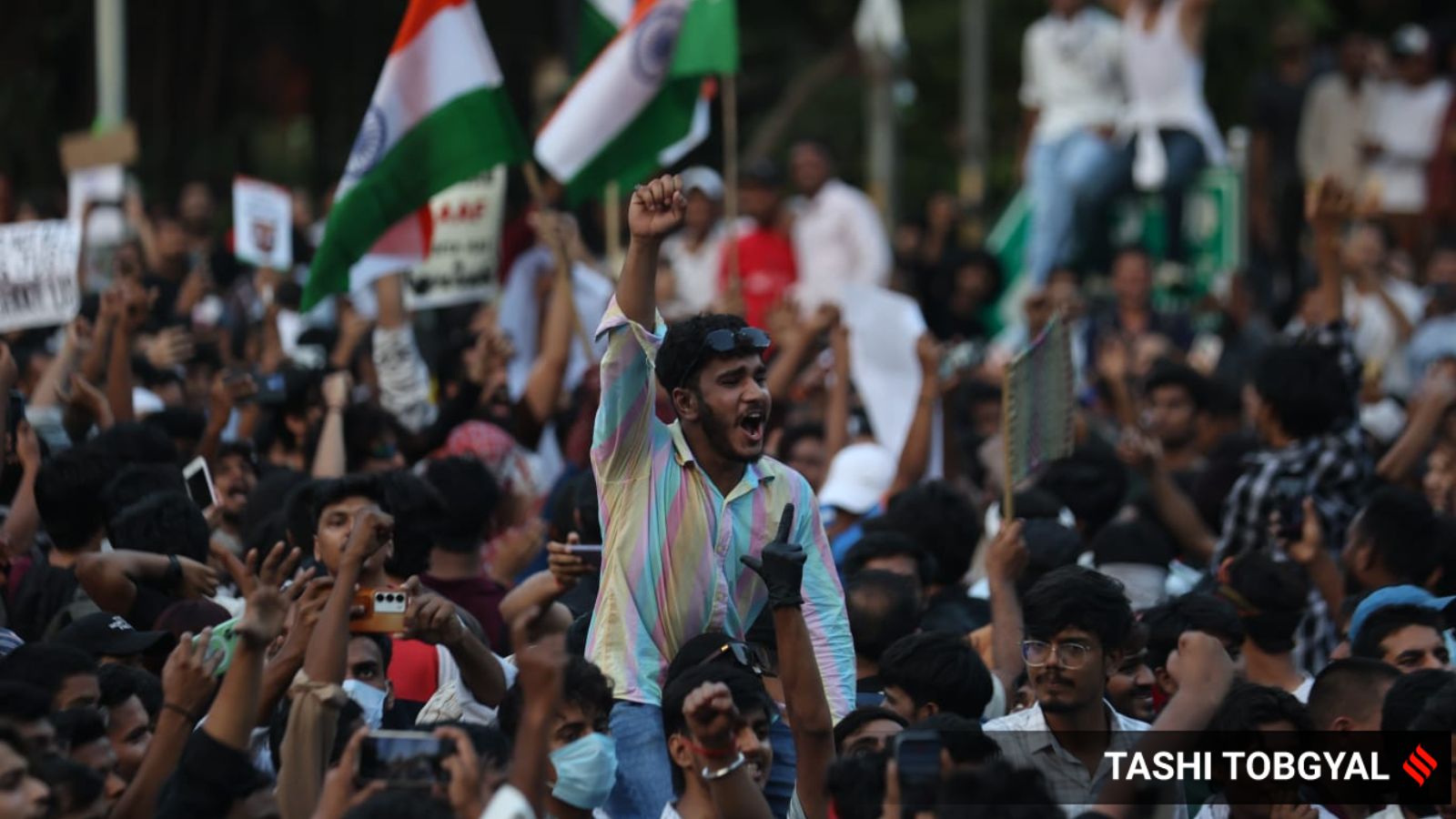
The article says many young Indians do not trust political parties and government institutions.
It argues that major parties often seem more interested in winning and preserving power than in representing citizens.
Both the Bharatiya Janata Party and the Indian National Congress are described as centralized organizations.
Women and young people receive too few opportunities to become candidates or ministers.
Caste and sub-caste considerations still strongly affect who receives election tickets.
The article says the Bharatiya Janata Party is organizationally stronger, while the Congress has suffered from years of internal decline and election losses.
Problems such as limited employment are adding to young people’s frustration.
This frustration could help a new political force grow before India’s 2029 elections.

Parliament and state assemblies are described as among India’s least trusted institutions, especially among young people.
The article argues that the Bharatiya Janata Party and Indian National Congress are both highly centralized and increasingly dependent on welfare measures.
Women and young people remain underrepresented in election tickets and ministerial positions, while caste and sub-caste influence candidate selection.
The Bharatiya Janata Party is credited with organizational strength, while the Indian National Congress is criticized for remaining a family-controlled organization after prolonged electoral failures.
Youth frustration over employment, political disempowerment and state neglect could create space for a disruptive third alternative before the 2029 Lok Sabha elections.
- Who
- India’s young people, the Bharatiya Janata Party, the Indian National Congress and potential third-party voters.
- What
- An opinion article examines declining youth trust in India’s political class and the possibility of political disruption.
- Where
- India, including Parliament, state assemblies, Jantar Mantar and Tamil Nadu.
- When
- The article discusses current trends and looks ahead to the 2029 Lok Sabha elections.
- Why
- The author attributes discontent to political centralization, weak youth and female representation, employment shortfalls, welfare-driven politics and perceived state neglect.
Critique of established parties
Party-specific strengths and defenses
Political centralization
Critique of established parties
The article argues that both the Bharatiya Janata Party and the Indian National Congress centralize decisions such as choosing chief ministers and appointing party presidents.
Party-specific strengths and defenses
The parties can offer different justifications for their approaches, but the article says their organizational similarities are more concerning than their differences.
Organizational performance
Critique of established parties
The Indian National Congress is criticized for prolonged electoral failure, family control and an inability to reverse structural decline.
Party-specific strengths and defenses
The Bharatiya Janata Party is credited with strengthening its cadre, finances and institutional presence, although the article says it is increasingly vulnerable to youth dissatisfaction.
Future political alternative
Critique of established parties
Youth frustration could produce a disruptive third alternative, particularly if established parties fail to address employment and political disempowerment.
Party-specific strengths and defenses
The eventual outcome could instead be continued stable government or a fractured mandate, with the article saying the result remains uncertain.
Key facts
- Youth population outlook
- Two-thirds of India’s population is expected to be under 35 by the 2029 Lok Sabha elections.
- Institutional trust
- Parliament and state assemblies are described as among India’s least trusted institutions.
- Representation
- The article says women and young people receive a dismally low share of election tickets and ministerial positions.
- Candidate selection
- Caste and sub-caste considerations are described as major influences on Lok Sabha and assembly ticket distribution.
- Employment
- The article says employment is far below expectations and is contributing to political frustration.
- Party comparison
- The Bharatiya Janata Party is portrayed as rewarding electoral delivery, while the Indian National Congress remains a tightly guarded family enterprise.
- Third alternative
- The rise of Tamizhaga Vettri Kazhagam in Tamil Nadu is presented as an example of a possible disruptive alternative.
Quotes
Jeffrey Pfeffer
Stanford professor cited in the article
“Success excuses (almost) everything.”
 indianexpress.com
Sources
Related news
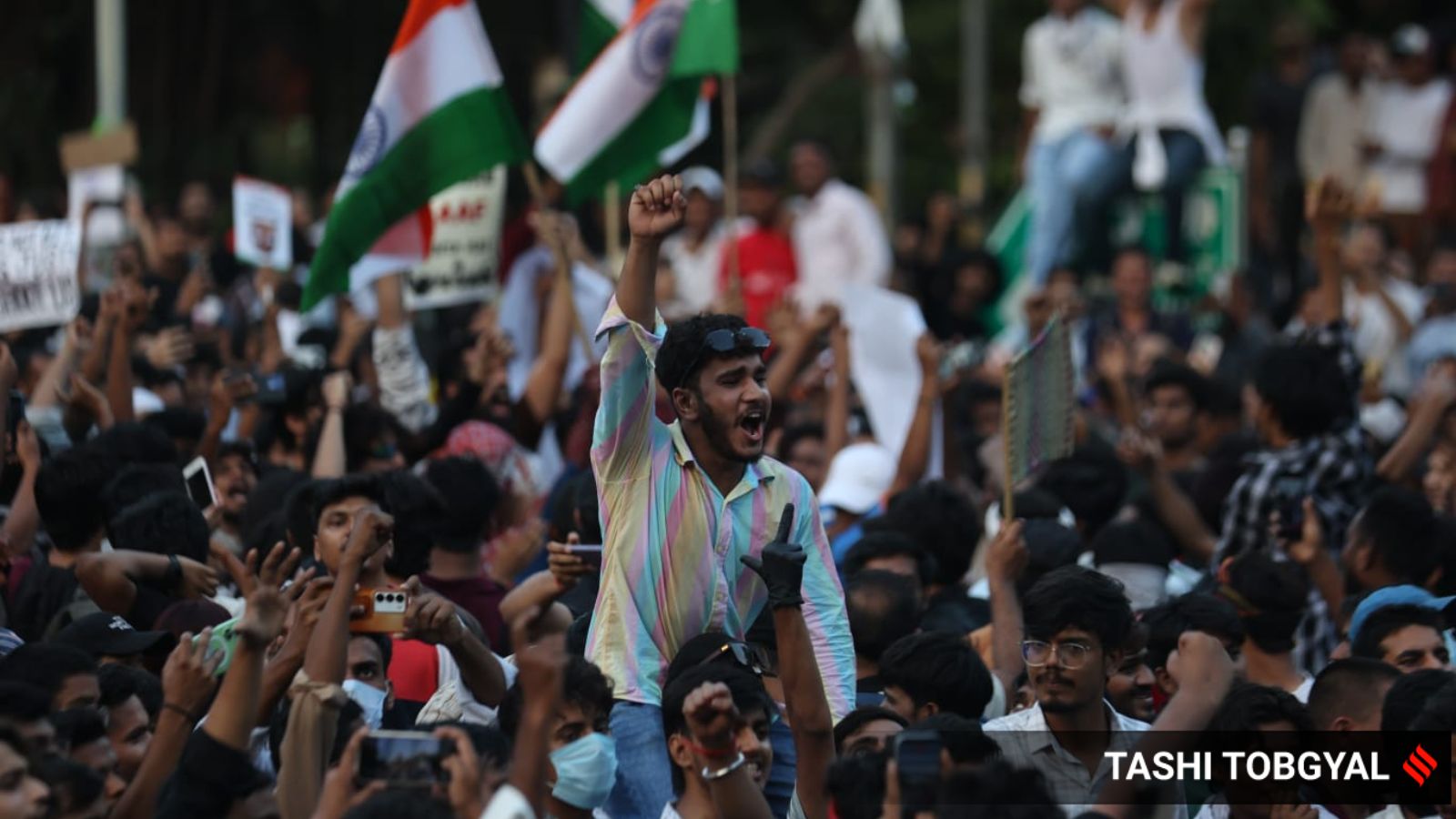
After Jantar Mantar, BJP and Congress Face Internal Tests
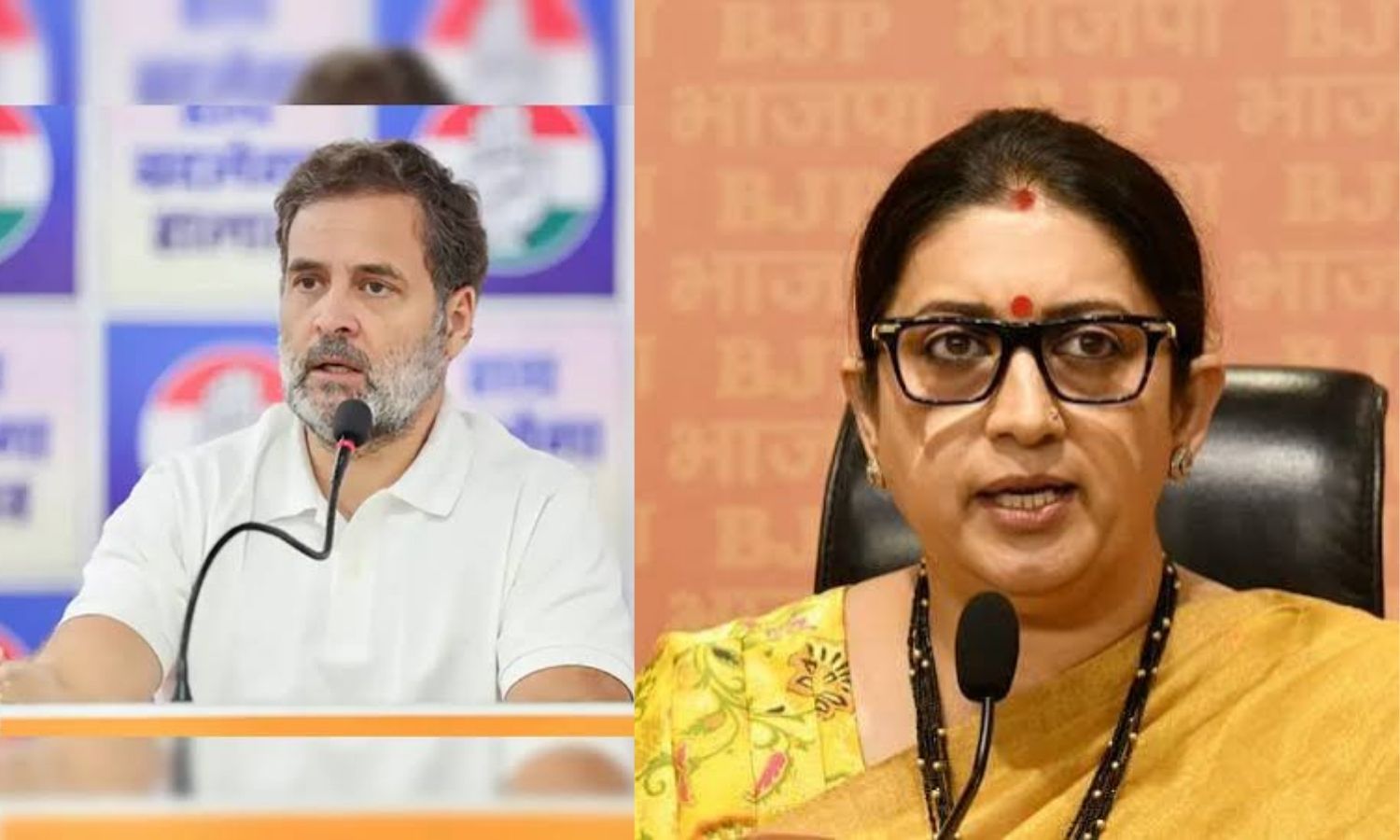
Rahul Gandhi Gains Ground as BJP Struggles with Youth Anger
Yogendra Yadav Urges Parties to Unite Behind Youth
Shashi Tharoor Urges Opposition to Learn From Youth Revolt

Jharkhand Youth Exam Protests Test India's Political Parties
Survey Shows Modi Decline, BJP Losses, Congress Gains Ahead
Karnataka Limits Vande Mataram to Two Stanzas at Events
School Paryushan Food Request Triggers Political Controversy in Mira-Bhayandar
BJP Plans 13-Day Punjab Anti-Drug Yatra Ahead Of 2027 Polls
Siddaramaiah Backs D.K. Shivakumar Government After 100 Days

Delhi High Court Orders CJP Leaders To Remove Bhatia Posts