

1 week ago
Gangrene anthology exposes caste’s hidden violence in Punjab
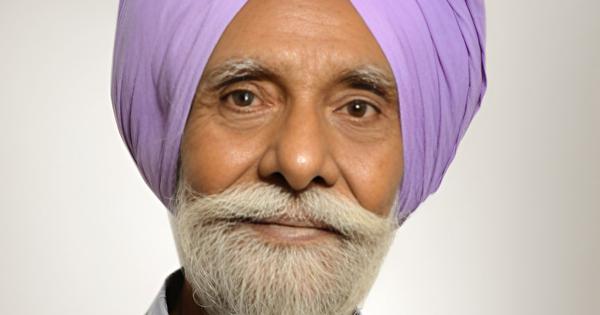
Gangrene is a book of 12 short stories about Dalit lives in Punjab.
The stories were written by different Punjabi authors and translated into English.
They show how caste can affect people’s jobs, homes, relationships, education and safety.
Some characters work very hard but are still treated as inferior.
Others become educated or successful but continue to face caste discrimination.
The book also shows how women can face extra burdens and violence.
Its title compares caste to gangrene, which slowly damages the body.
The reviewer says caste can similarly damage a society’s ability to recognise another person’s humanity.

Gangrene brings together 12 Punjabi Dalit short stories spanning nearly five decades and multiple dialects.
The anthology examines how caste shapes land, labour, faith, mobility, intimacy, memory and violence in Punjab.
Stories including “Bathloo Chamiar” and “Gangrene” portray exploitation and the collapse of hopes for equality.
Other stories challenge the promises of education, professional success, leadership and social mobility as routes beyond caste.
The review argues that gangrene becomes a metaphor for society’s gradual loss of moral recognition and human empathy.
- Who
- The anthology features Punjabi Dalit writers and was translated by Akshaya Kumar and Navdeep Singh; it is reviewed by Kamna Singh.
- What
- Gangrene: Punjabi Dalit Short Stories is an anthology examining caste and Dalit life through 12 short stories.
- Where
- The stories focus on Punjab and its village, urban and institutional social worlds.
- When
- The stories span nearly five decades; the review does not provide a publication date for the anthology or review.
- Why
- The anthology redirects attention from Punjab’s dominant cultural image toward caste relations and the experiences of people living at its margins.
Anthology’s critique
Dominant social assumptions
Punjab’s cultural image
Anthology’s critique
The stories argue that Punjab’s familiar image of agrarian abundance, celebration, valour and Partition memory leaves caste relations and Dalit histories insufficiently examined.
Dominant social assumptions
The dominant cultural imagination presented in the review centres on agrarian abundance, celebration, valour and Partition trauma rather than foregrounding caste oppression.
Education and mobility
Anthology’s critique
The anthology portrays education, professional success and movement from village to city as insufficient to erase caste or guarantee dignity and acceptance.
Dominant social assumptions
Characters and institutions often treat education, employment and exceptional achievement as possible routes to social mobility beyond hereditary caste roles.
Meaning of merit and recognition
Anthology’s critique
The stories question meritocracy by showing that success depends partly on whether a person’s ability is recognised, while caste continues to shape how that person is seen.
Dominant social assumptions
Professional accomplishment can change a person’s occupation and status, but the review shows that it does not necessarily change others’ caste-based social judgments.
Key facts
- Book
- Gangrene: Punjabi Dalit Short Stories
- Number of stories
- 12
- Language and scope
- Stories translated from multiple Punjabi dialects and registers
- Time span
- Nearly five decades
- Translators
- Akshaya Kumar and Navdeep Singh
- Central themes
- Caste, labour, land, education, mobility, faith, intimacy and violence
- Publisher
- Penguin Random House India
Quotes
Bathloo Chamiar
A Dalit manual labourer and the central character of Attarjit’s story “Bathloo Chamiar”
“Our duty is to serve,” “Whatever the panchayat pays is enough.”
 scroll.in
Sources
Related news
Chandu Maheria’s Memoir Brings India’s Caste History Home

Indian Filmmakers and Writers Re-Engage with Pakistan Through Compassionate Art

Appetite: New Writing from Goa reviewed as wryly humorous, chilling

Novelist Gurpreet Singh Dhugga’s Journey From Medicine to Cinema

Lantrani Review Finds Strength in Surprise Casting Choices

Ajanta Paul’s Stories Find Infinite Worlds in Ordinary Lives

Punjab Police, ED Clash Over Alleged Transfer-Posting Network
India Condemns Alleged Demolition of Century-Old Pakistan Temple

Private Hospitals Flag Ayushman Bharat Payment Delays and Claim Deductions
Punjab Announces Statewide Awareness Drive on BC Certificates
NDA Personnel Found Dead On Pune Railway Track; Inquiry Ordered
