4 hrs ago
A Month Later, Mecca Pact Faces Regional Security Tests
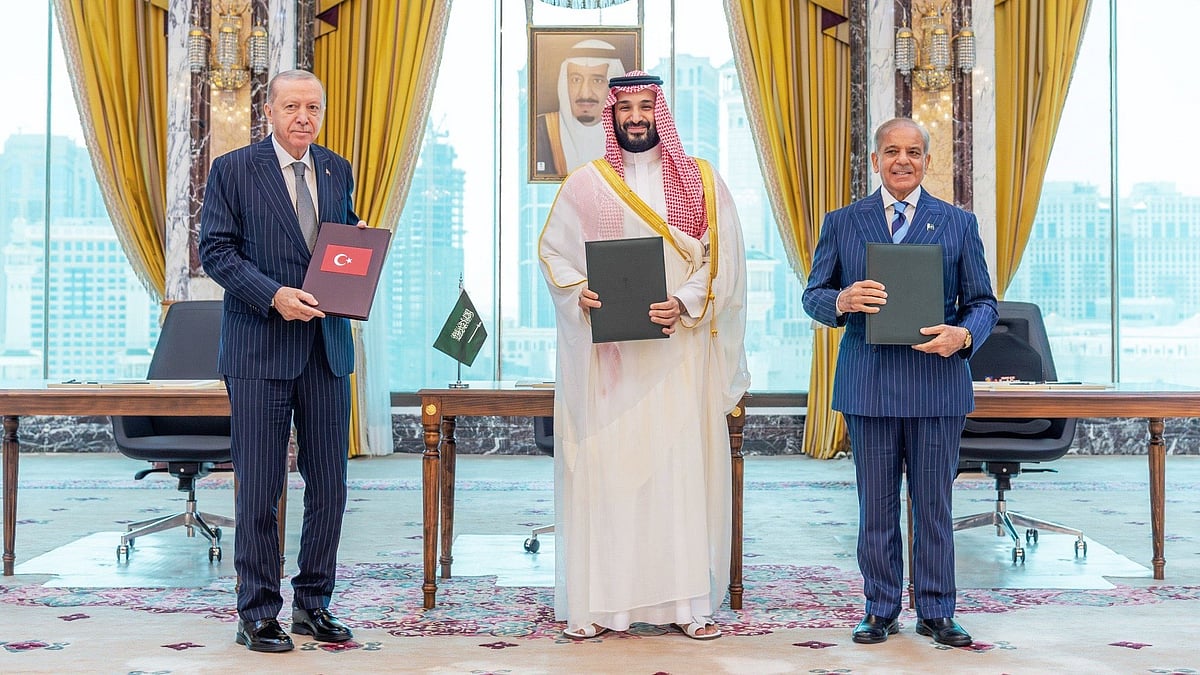
Saudi Arabia, Turkey, and Pakistan made a security agreement in Mecca.
The agreement was meant mainly to help keep the region peaceful and to defend the three countries.
About a month later, several attacks tested how the agreement would work.
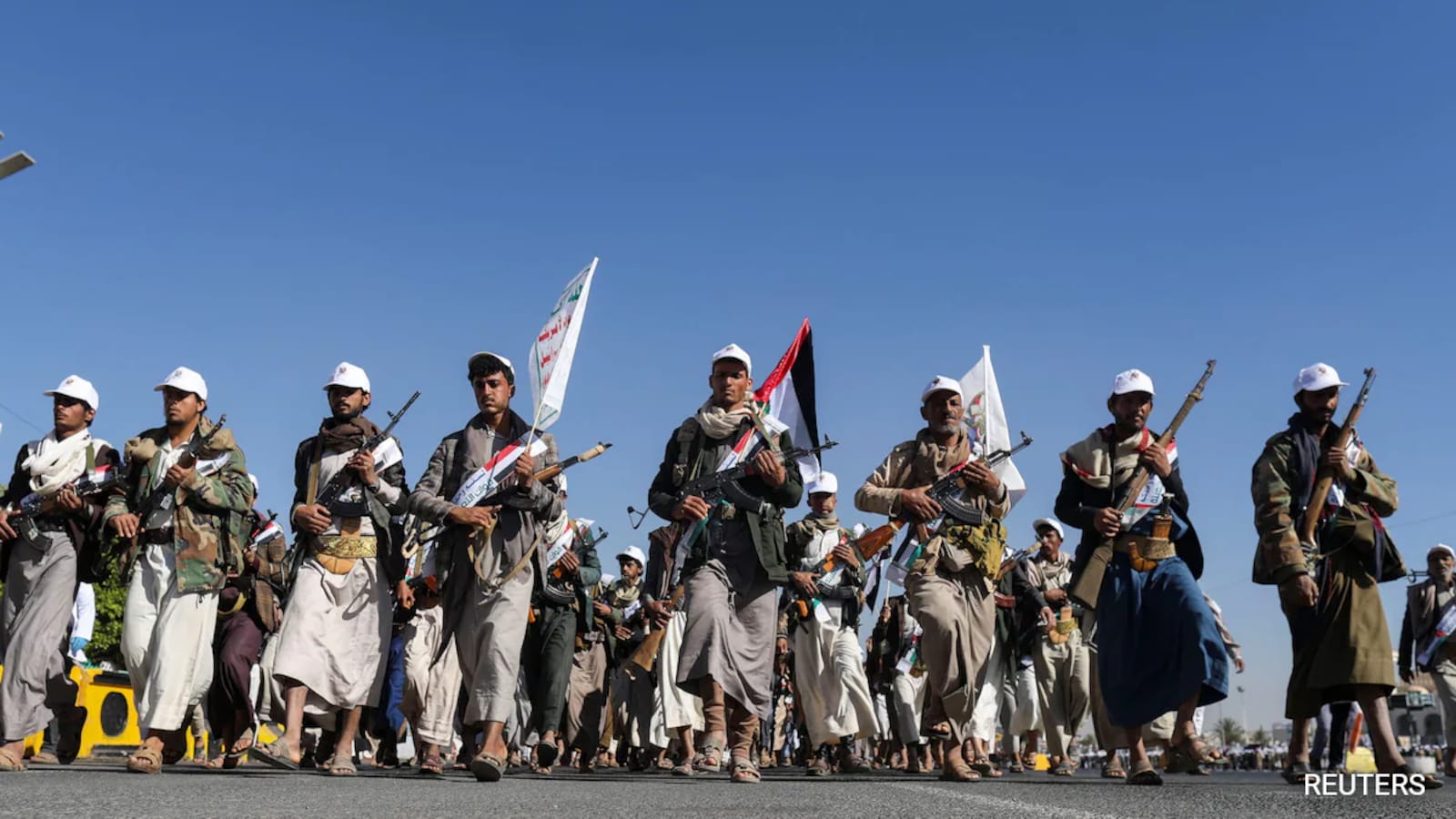
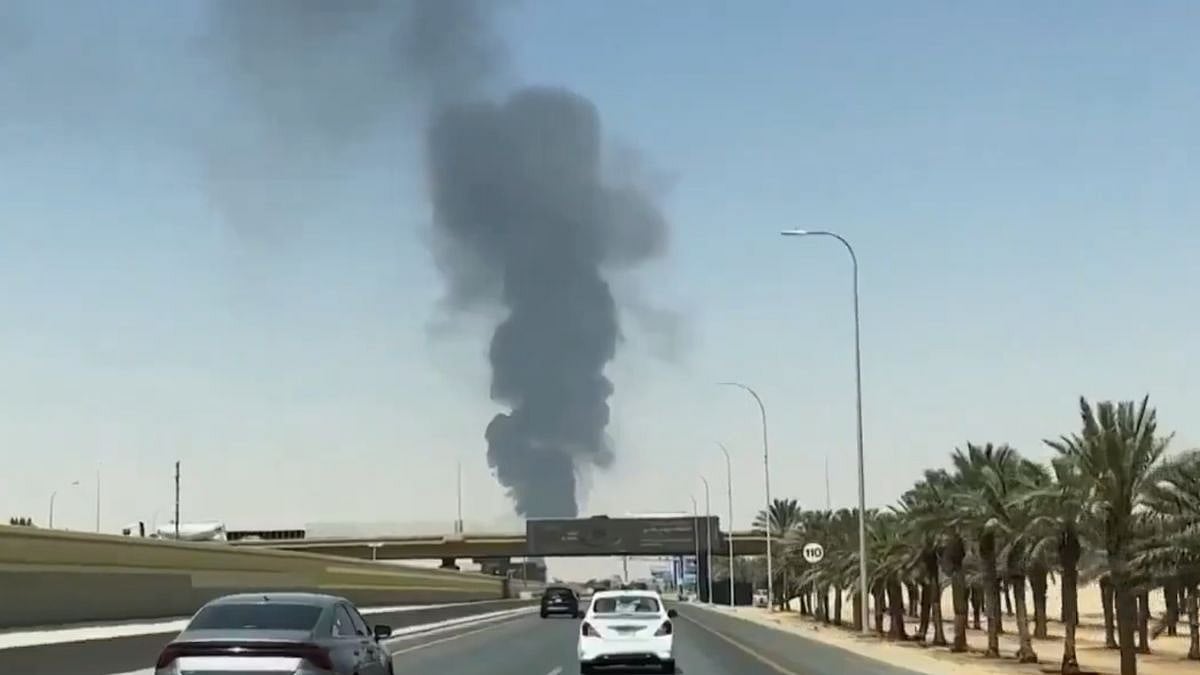
The Houthis attacked important Saudi locations, including oil facilities.
Israel also attacked a Syrian air base near Turkey.
These events did not lead to a joint military response under the agreement.
Pakistan said the countries had not discussed responding militarily to the Houthi attacks.
Pakistani officials said the agreement does not require answering aggression with more aggression.
Iran also warned that it was pursuing a new strategy in the conflict.

The Mecca agreement has faced multiple regional security challenges about a month after it was signed.
The Houthis attacked Saudi strategic targets, including facilities in Jazan, Abha, and Aramco sites, on 8 September.
Israel struck Abu Duhur Air Base near the Turkish border after Turkish officials visited the area.
Neither attack triggered the agreement’s mutual security commitments, according to the article.
Pakistan said no military response had been discussed and described the pact as defensive and focused on regional stability.
- Who
- Saudi Arabia, Turkey, and Pakistan are parties to the Mecca agreement; the Houthis, Israel, and Iran were involved in the reported regional developments.
- What
- The agreement’s mutual security commitments were not activated after Houthi attacks on Saudi targets and an Israeli strike on a Syrian air base.
- Where
- The reported incidents took place in Saudi Arabia, Syria, and along Yemen’s Red Sea coast.
- When
- The developments occurred about a month after the agreement; the Houthi attacks were reported on 8 September and Pakistan commented on 10 September.
- Why
- The agreement was intended to support regional peace and stability and was described by Pakistan as purely defensive.
Pact Proponents
Pact Skeptics
Defensive purpose
Pact Proponents
Pakistan says the agreement is an umbrella arrangement focused on defense, peace, and regional stability rather than automatic military retaliation.
Pact Skeptics
The agreement’s practical security value is questioned because reported attacks on Saudi and nearby regional targets did not trigger its mutual security promises.
Response to attacks
Pact Proponents
Pakistan says the three countries had not discussed a military response and that aggression does not necessarily require answering with aggression.
Pact Skeptics
The absence of a joint response after the Houthi attacks highlights uncertainty about when or how the agreement would be activated.
Key facts
- Agreement
- Mecca agreement among Saudi Arabia, Turkey, and Pakistan
- Stated purpose
- Strengthening regional peace and stability
- Agreement character
- An umbrella agreement described as purely defensive
- Houthi attacks
- Saudi strategic targets, including crude oil tank farms in Jazan and Abha, were attacked on 8 September
- Other reported strike
- Israel struck Abu Duhur Air Base near the Turkish border
- Pakistan’s position
- No military reaction under the agreement had been discussed in response to the Houthi attacks
- Pakistani defense minister
- Khawaja Asif said the countries did not need to respond to aggression with aggression
Quotes

Mohsen Rezaei
Iran’s security chief, according to the article
“You will soon witness that Iran’s new strategy across the battlefield, diplomacy, and countering the economic siege will shatter your foundations.”
 thequint.com
Sajjad Haider Khan
Spokesperson for Pakistan’s Foreign Ministry
“When time comes, (we) will act under the agreement.”
thequint.com
Sources
Related news

Pakistan Rules Out Immediate Military Action After Houthi Attacks
Saudi Allies Face Questions Over Mecca Defence Pact

Pakistan Defers Military Action After Houthi Attacks on Saudi Arabia

Houthi Drone Near Mecca Tests Saudi-Pakistan Defense Pact
Pakistan Hesitates as Houthi Attack Tests Mecca Defence Pact

Pakistan Vows Extensive Defense of Saudi Arabia Amid Houthi Attacks

Syrian Ammunition Depot Explodes in Fourth Blast This Month
Six French Islamic State Suspects Face Trial, Possible Death Penalty
Iran Awaits Trump Response as Pakistan Visit Draws Scrutiny
Saudi Air Alerts as Middle East Fighting Escalates