

3 weeks ago
India's young women need to be taken seriously, not forgiven

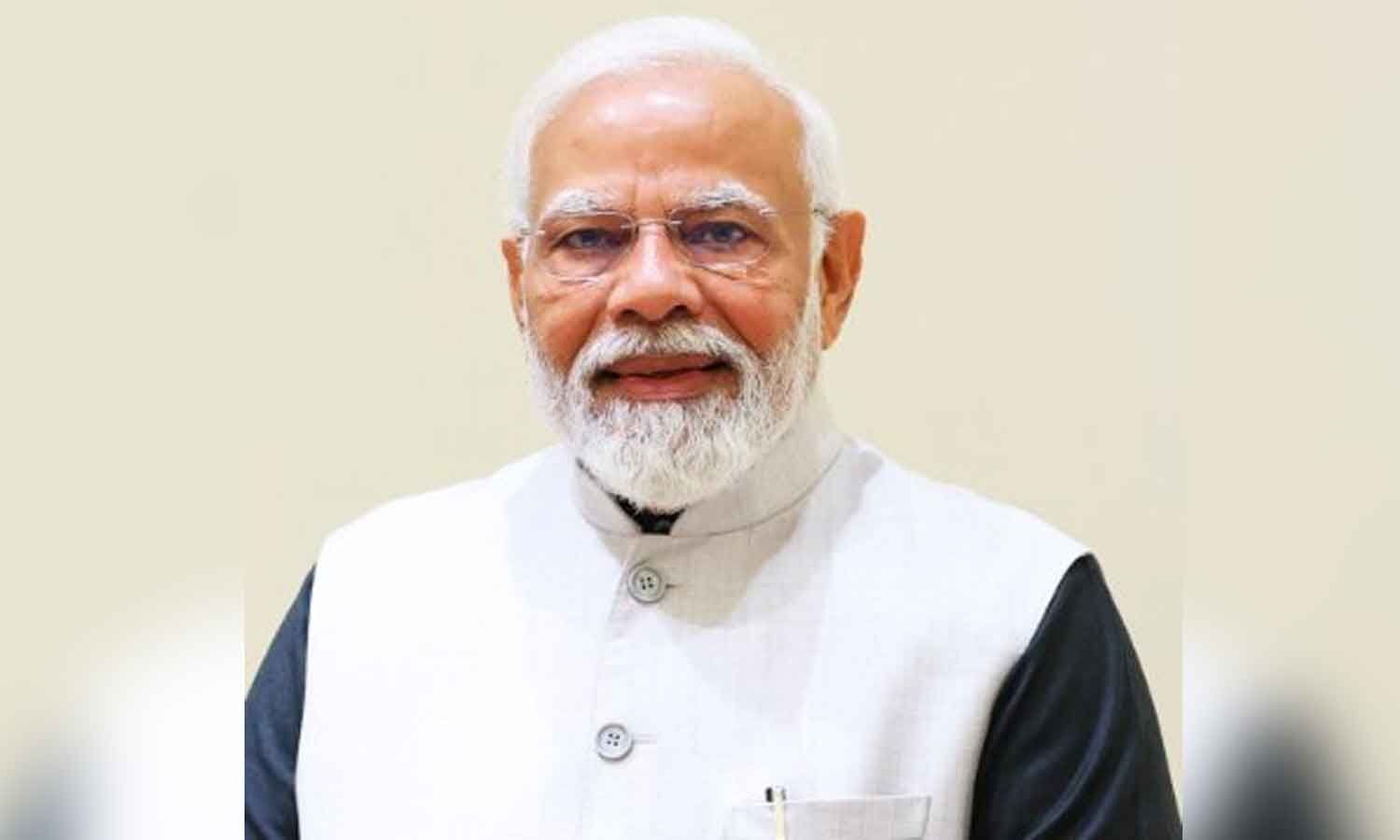
The leader of India, Prime Minister Narendra Modi, made a video where he said he 'forgives' young women who used bad words while protesting in a place called Jantar Mantar.
The person who wrote this article thinks that is the wrong thing to say.
In India, protesting is a right, so people should not need forgiveness for using that right.
When men use angry or rude words at protests, people often say it shows passion.
But when women do it, people talk about their manners and how they were raised.
The protest was about a big test called NEET, and people wanted the government to be responsible.
Some students were hurt at the protest, and one young woman was very badly hurt.
Instead of talking about that, many people talked only about the bad words.
Some of the young women were even teased online because of it.
The author says women should be taken seriously and treated like everyone else.

Prime Minister Narendra Modi, via a video message, 'forgave' young women and students who used profanities during the Jantar Mantar protests and called on others to do the same.
The op-ed argues that the forgiveness framing wrongly treats protest as an offence rather than a fundamental right in a constitutional democracy.
The author criticizes a double standard: aggressive language by men is normalized as passion, while women's similar expression triggers debates about morality and upbringing.
During the NEET protests, a young woman suffered life-threatening injuries and students were assaulted, but public discourse focused on protesters' language.
Young women and minors were doxxed, harassed online, and publicly vilified; the author says women should be treated as full, rights-bearing citizens.
- Who
- Prime Minister Narendra Modi, who issued the 'forgiveness' via video message, and the young women and student protesters at Jantar Mantar.
- What
- PM Modi 'forgave' protesters, particularly young women, who used profanities during the NEET protests and urged others to do the same; an op-ed criticizes this framing as paternalistic.
- Where
- Jantar Mantar, India, where the protests took place; the debate is national in scope.
- When
- Recently; no specific date is given in the article.
- Why
- The article argues that protest is a fundamental right and that women should be seen as rights-bearing citizens, not as 'misguided children' needing forgiveness or correction.
Protesters' rights advocates
The prime minister's framing
Protest and forgiveness
Protesters' rights advocates
Protest is a fundamental right; protesters committed no offence and do not need absolution for exercising it.
The prime minister's framing
Protesters used offensive profanities and should be forgiven and 'corrected' to the right path.
Women's conduct vs. grievances
Protesters' rights advocates
Discourse should focus on the institutional failures protesters sought to expose and on actual crimes such as the assault of students.
The prime minister's framing
The profane language of young women is treated as evidence of failed morality that warrants a national moral debate.
Women's agency
Protesters' rights advocates
Women are rights-bearing citizens whose political and personal agency must not be policed by patriarchal norms of civility.
The prime minister's framing
Young women are viewed as 'our daughters' — 'misguided children' who need to be corrected and brought back to the right path.
Key facts
- Prime Minister
- Narendra Modi
- Action
- Video message 'forgiving' protesters who used profanities at Jantar Mantar and urging others to do the same
- Protest cause
- NEET protesters demanding government accountability
- Protest location
- Jantar Mantar, India
- Violence at protests
- Students were assaulted; a young woman suffered life-threatening injuries
- Online harassment
- Young women and minors doxxed, harassed online, and publicly vilified
- Legal reference
- Article 19 protects impolite, provocative, even offensive expression, subject to reasonable restrictions
- Landmark case cited
- Hadiya case (2018): Kerala High Court annulled an adult woman's marriage; the Supreme Court intervened to restore her fundamental rights
Sources
Related news

Women's Profanity Protests Expose India's Double Standard in Politics
Rahul Gandhi Urges Pune Students to Smash Patriarchy

Case against 15-year-old over Modi remarks withdrawn after apology
India's 7.8% GDP Growth Sparks Questions Over Economic Reality
Congress Questions Haryana’s Falling Sex Ratio Despite Beti Bachao
Three Killed, Several Injured in Rewa Bus Collision

West Bengal Plans Mega Durga Puja Show at Eden Gardens

NVIDIA CEO urges Indian startups to build local AI economy
