1 hr ago
SCAD Reveals Hidden Heart Attack Risk in Younger Fit Women
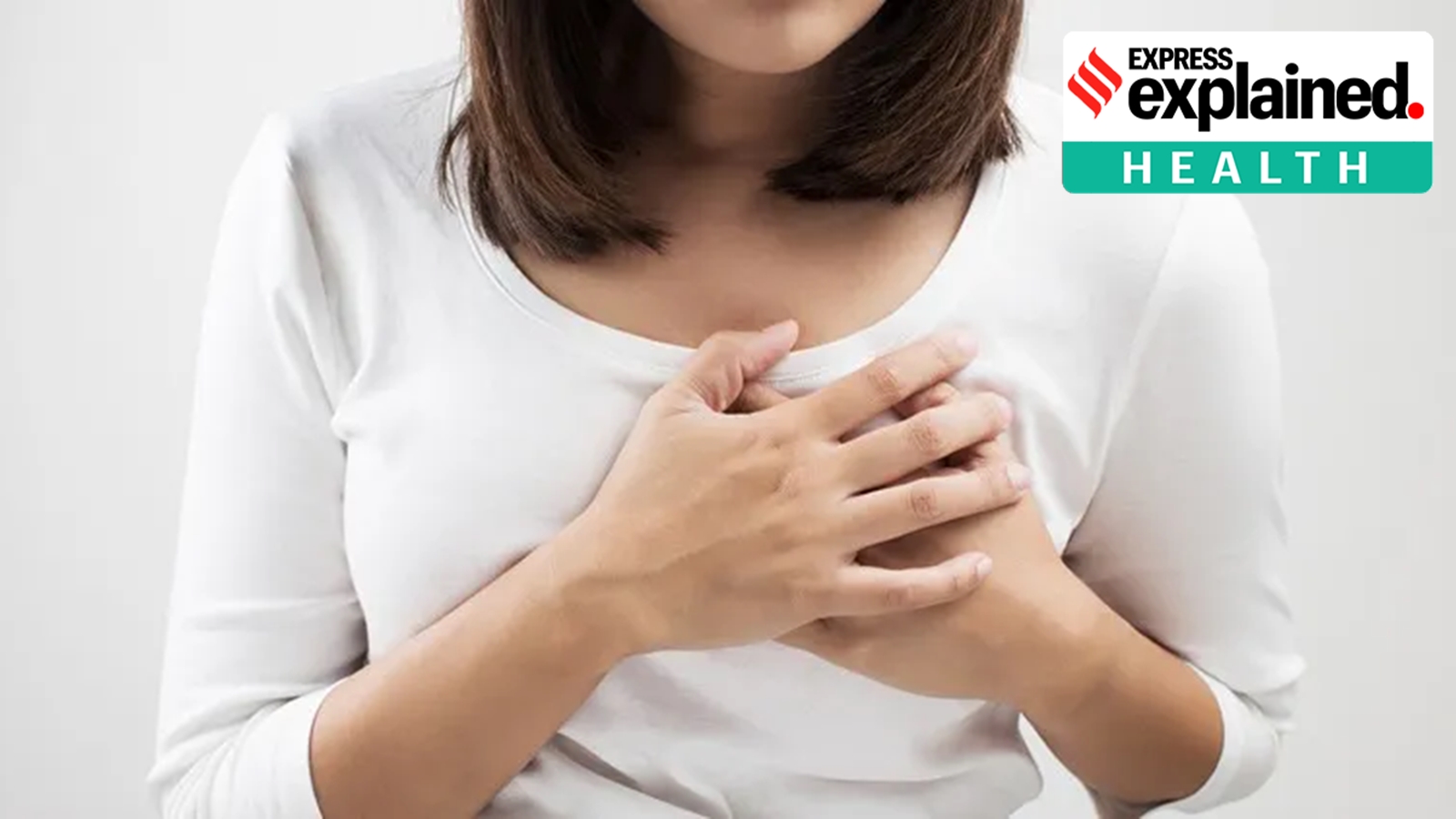
SCAD is a heart problem in which the wall of a heart artery suddenly tears or bruises.
This can squeeze the artery and stop oxygen from reaching the heart.
Unlike many heart attacks, SCAD is not usually caused by cholesterol buildup.
It often affects younger women who seem healthy and have no usual heart-risk factors.
Pregnancy, hormonal changes, hard physical effort, and intense emotional stress may be connected to it.
Chest pain and other symptoms can look like a regular heart attack.
Doctors may watch the patient in the hospital because many arteries heal on their own, but some blockages need an angioplasty.
Afterward, moderate exercise and careful medical advice about future pregnancies can help manage risks.

Spontaneous Coronary Artery Dissection, or SCAD, is a sudden tear or bruise inside a coronary artery that can block blood flow.
Young women account for approximately 80–90% of SCAD cases, and it may cause up to one-third of heart attacks among women under 50.
SCAD can be overlooked because affected women may be young, active, and free of conventional risks such as smoking, diabetes, or high cholesterol.
Pregnancy, hormonal changes, intense exertion, emotional stress, and fibromuscular dysplasia are associated with SCAD.
Treatment may involve hospital observation, medication, or angioplasty when necessary, while moderate exercise and individualized pregnancy counseling are recommended afterward.
- Who
- Younger and middle-aged women are most commonly affected; young women account for approximately 80–90% of SCAD cases.
- What
- Spontaneous Coronary Artery Dissection is a sudden tear or bruise in a coronary artery that can cause a heart attack.
- Where
- The condition affects the coronary arteries, the blood vessels supplying the heart.
- When
- SCAD can occur at any time; pregnancy-associated cases most often occur after delivery, especially during the first postpartum week.
- Why
- The exact cause remains under study, but hormonal changes, pregnancy, vascular conditions, physical exertion, and emotional stress are associated with SCAD.
Conservative Management
Intervention When Necessary
Treatment of the affected artery
Conservative Management
When SCAD does not completely block blood flow, doctors may avoid angioplasty because the artery often heals on its own and procedures can carry risks.
Intervention When Necessary
When a major coronary artery is completely blocked, angioplasty or balloon treatment may be needed to restore blood flow and limit heart-muscle damage.
Medication after SCAD
Conservative Management
Statins are not automatically required, and the use of antiplatelet medication without a stent remains uncertain.
Intervention When Necessary
Beta-blockers are used, particularly for blood-pressure control, and observational evidence suggests they may reduce recurrence.
Key facts
- Medical name
- Spontaneous Coronary Artery Dissection (SCAD)
- Most affected group
- Young women account for approximately 80–90% of SCAD cases.
- Estimated impact
- SCAD may account for as many as one-third of heart attacks among women under 50.
- Pregnancy association
- About 5–10% of SCAD cases occur after pregnancy; more than 70% of pregnancy-associated cases in one large series occurred after delivery.
- Possible artery complication
- Fibromuscular dysplasia is described as one of the strongest associations with SCAD.
- Early worsening risk
- There is an estimated 15% risk of SCAD worsening during the first few days.
- Recurrence
- Reported recurrence rates range from approximately 10–30% in older studies, while one contemporary cohort found about 2.4% recurrence at three years.
Quotes
Dr Rajiv Gulati
Chair of the Division of Interventional Cardiology at Mayo Clinic
“Instead of the artery being blocked by slow-growing cholesterol or fat, the wall of the blood vessel unexpectedly splits, trapping blood inside the lining and blocking the flow of oxygen to the heart. The artery is squeezed.”
 indianexpress.com
“Do not ignore significant chest pain in a younger woman merely because her conventional cardiovascular risk is low, particularly during pregnancy or after delivery.”
indianexpress.com
Sources
Related news

Cardiologists Report Heart Disease Risk Factors Among Young Adults

Hidden Heart Conditions Challenged Diagnoses in Two Young Women
Unusual Breathlessness and Jaw Pain Can Signal Overlooked Heart Disease

Earlier Heart Risk Detection Could Prevent India’s Heart Attack Crisis

Doctors Explain Why Your Heart May Age Faster
Study Links 100g More Daily Ultra-Processed Food to Heart Risk

US Bill Targets South Asian Heart Disease Risk With Research

Doctor Explains Why Egg Yolks Aren’t Automatically Heart-Damaging