4 days ago
Consumer Commission Orders Insurer to Pay for Burnt Luxury Car
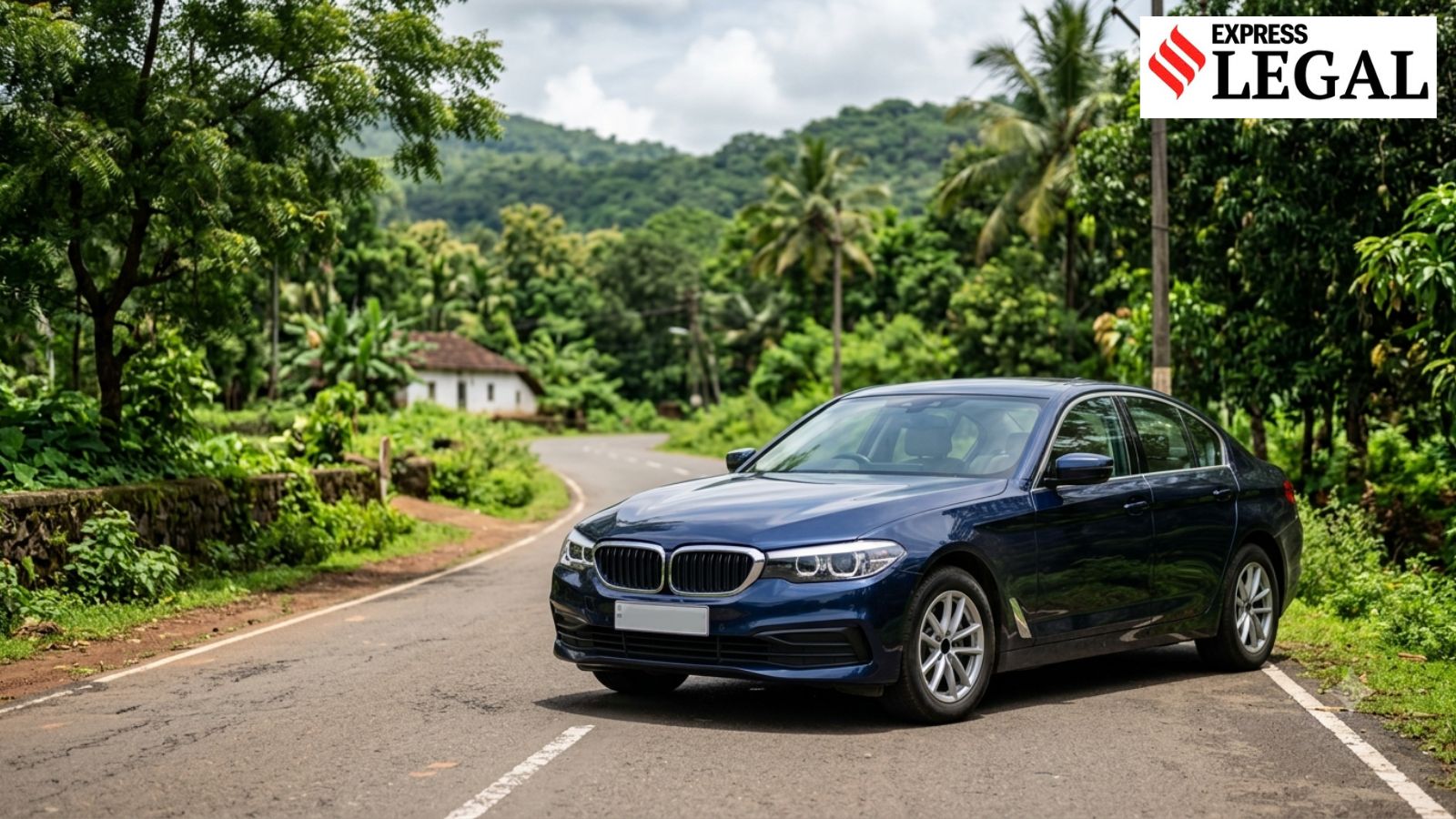
Ravikant Patil’s luxury car got a flat tyre late at night on a highway.
He and his driver moved the car to the roadside, locked it and returned to Solapur in another vehicle.
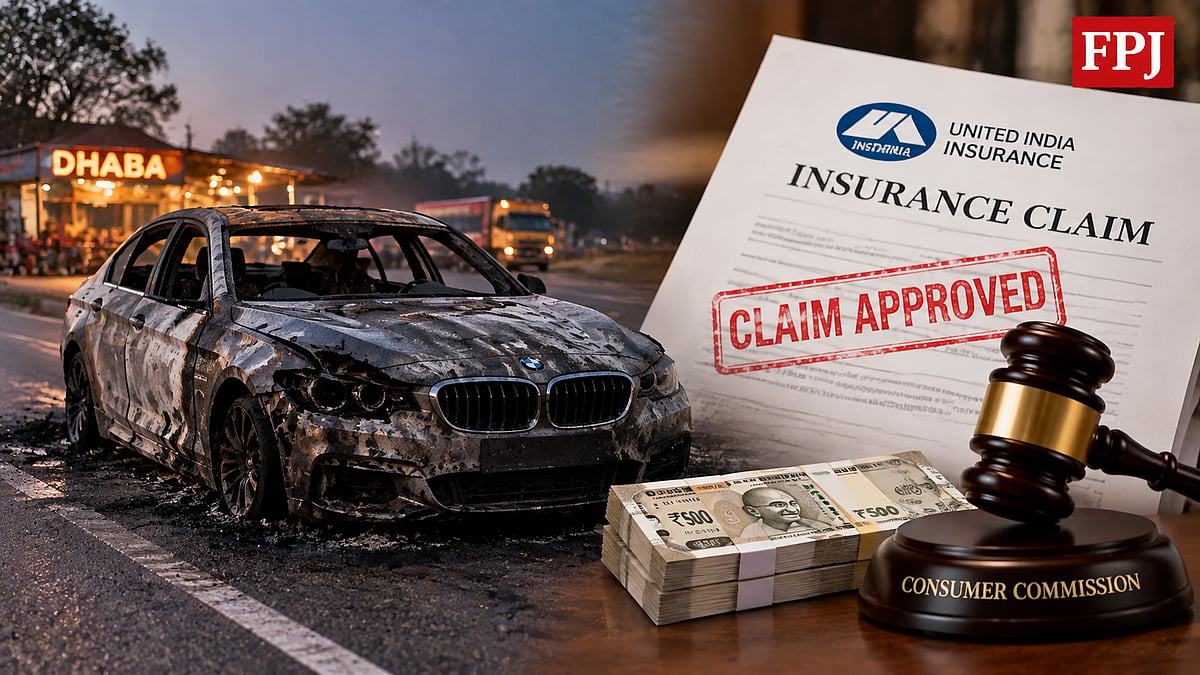
The next morning, the car had been completely destroyed by fire.
The insurance company refused to pay because nobody stayed with the car overnight.
The company also said the car should have been repaired, towed or moved somewhere safer.
A consumer commission decided that Patil had taken reasonable safety steps.
It said people should not have to risk their lives to guard a damaged car.
The commission also found no proof that leaving the car alone caused the fire.
It ordered the insurer to pay Rs 70 lakh, interest and Rs 75,000 in additional compensation.

The Maharashtra State Consumer Commission ordered United India Insurance Company to pay Rs 70 lakh for a luxury car destroyed by fire.
The insurer must also pay Rs 75,000 for mental agony, harassment and litigation costs.
The car developed a tyre puncture late on March 8, 2012, and was left locked beside a state highway near a food outlet.
The insurer rejected the claim, arguing that the owner or driver should have stayed with the vehicle or moved it to safety.
The commission found that reasonable precautions had been taken and ordered payment with 7% annual interest from November 23, 2012.
- Who
- Ravikant S. Patil, United India Insurance Company and the Maharashtra State Consumer Disputes Redressal Commission.
- What
- The commission ordered the insurer to pay a total-loss claim for a luxury car destroyed by fire, along with compensation and interest.
- Where
- The car was left beside a state highway near a food outlet, with the dispute heard in Maharashtra.
- When
- The puncture occurred on March 8, 2012; the commission’s order was reported as issued on September 16.
- Why
- The commission found that Patil had secured the car reasonably and that the insurer had not proved his actions caused or contributed to the fire.
Consumer Commission and Owner
Insurance Company
Whether leaving the car overnight breached policy conditions
Consumer Commission and Owner
The commission held that Patil took reasonable precautions by moving the car off the highway, rolling up its windows and locking it. It said personal safety did not require the owner or driver to remain with the vehicle.
Insurance Company
The insurer argued that Patil or his driver should have stayed with the car, changed the tyre, moved it to a safer location or towed it back to Solapur.
Whether the owner’s actions caused the fire
Consumer Commission and Owner
The commission found no direct evidence connecting the unattended vehicle to the fire. It noted that police and fire reports did not establish the fire’s exact origin and that no forensic evidence was produced by the insurer.
Insurance Company
The insurer questioned the account that burning grass caused the fire, noting that the burnt grass was about 50 metres away, and argued that the vehicle had been left without adequate precautions.
Value payable for the total loss
Consumer Commission and Owner
The commission ruled that the agreed Rs 70 lakh Insured Declared Value was binding because the insurer had accepted the premium on that basis.
Insurance Company
The insurer argued that depreciation reduced the vehicle’s value to no more than Rs 59 lakh.
Key facts
- Claim amount
- Rs 70 lakh
- Additional compensation
- Rs 75,000 for mental agony, harassment and litigation costs
- Interest
- 7% annually from November 23, 2012, until actual payment
- Insured Declared Value
- Rs 70 lakh
- Insurance policy period
- December 22, 2011, to December 21, 2012
- Premium paid
- Rs 1,65,996
- Cause of loss
- The vehicle was found completely burnt the morning after a late-night tyre puncture
Quotes
Maharashtra State Consumer Disputes Redressal Commission
Consumer commission that decided the insurance dispute
“The law does not and cannot compel an insured individual or their employee to jeopardise their physical safety or risk their life merely to guard a depreciating material asset.”
 indianexpress.com
Sources
Related news
Maharashtra Commission Orders Insurer To Pay ₹70 Lakh BMW Claim

Hyderabad Consumer Commission Orders Insurer to Pay Rs 5.60 Lakh
Delhi Commission Upholds SUV Owner’s Insurance Claim Award
Commission Orders New India Assurance To Pay Victorinox ₹8.06 Crore
Punjab Commission Orders United India to Pay Theft Claim
West Bengal Commission Orders Insurer to Pay Dacoity Claim
Mumbai Commission Upholds ₹66.53 Lakh Diamond Shipment Compensation Order
NCDRC Grants Interim Relief in Alta Monte Flat Dispute
SBI Delayed Premium Leaves Accident Victim Uninsured, Commission Orders Payout