2 months ago
Food Security Act Amendment Threatens Rations for Poorest Households
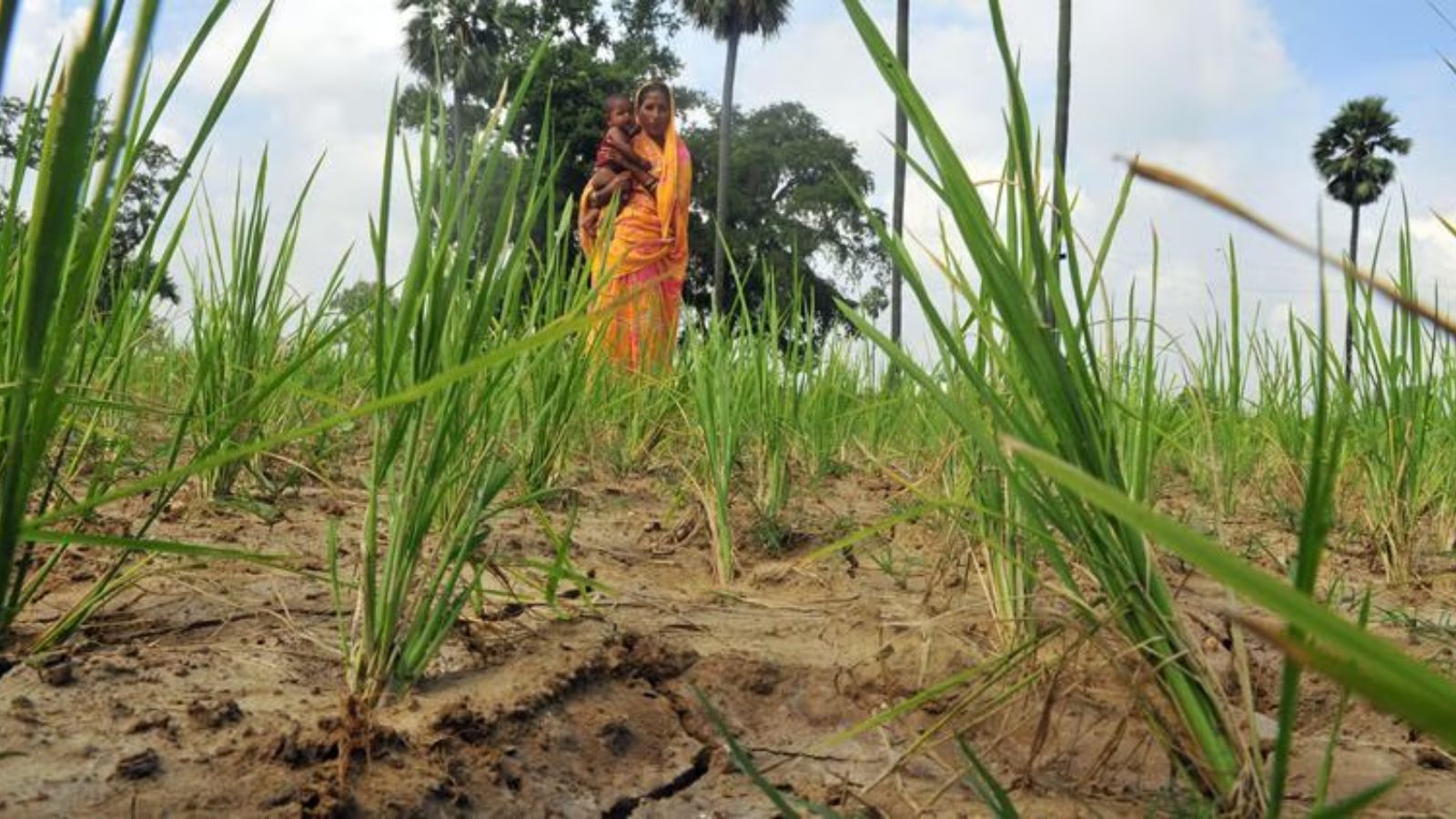
India has a special program that gives free food to its poorest people.
The government wants to change how much food each very poor household gets.
Right now, these households can get 35 kilograms of grain every month.
Under the new plan, each person would get only 7 kilograms, and no family could get more than 35 kilograms.
Large families would not be affected.
But small families, like a grandmother living alone, would get much less food.
Many of these small households are led by widows who depend on this food.
The writers say this change would hurt the people who need help most.
They believe the real reason for the change is to save money.
They suggest fixing the list of who truly needs help instead of cutting food for the poorest.

A proposed amendment to India's National Food Security Act would replace 35 kg monthly Antyodaya rations with per-capita rations of 7 kg per person, capped at 35 kg per household.
Smaller Antyodaya households - 53 per cent of the total according to the Household Consumer Expenditure Survey 2023-24 - would lose 20 to 80 per cent of their current entitlements.
Nearly one million women living alone in the Antyodaya category, 85 per cent of them widows, would see their monthly rations fall from 35 kg to 7 kg, an 80 per cent reduction.
The change is justified in the name of equity, but the authors argue the real motive is saving money, with likely annual savings of about 2 million tonnes of foodgrain.
The authors instead propose revamping AAY: moving better-off households to the priority category, expanding the quota, and adding dal and edible oil to public distribution system entitlements.
- Who
- India's poorest Antyodaya households covered under the Antyodaya Anna Yojana, including nearly one million women living alone, whose rations would be cut; the critique was written by Drèze and Mohammad Zameer.
- What
- A proposed amendment to the National Food Security Act that would replace 35 kg monthly foodgrain rations for Antyodaya households with per-capita rations of 7 kg per person, capped at 35 kg per household.
- Where
- India, within the public distribution system for foodgrain rations; the authors are based in Ranchi.
- When
- The amendment is proposed at the time of writing; the authors cite data from 2023-24, including the Household Consumer Expenditure Survey 2023-24.
- Why
- The amendment is justified in the name of equity to reduce variation in per-capita entitlements, but the authors argue it will hurt smaller poor households and that the real motive is likely saving money.
Critics: Amendment devastates the poorest
Defenders: Per-capita approach promotes equity
Impact on small households
Critics: Amendment devastates the poorest
Replacing household rations with per-capita rations cuts entitlements by 20-80 per cent for the majority of AAY households, which have fewer than five members, and is a direct attack on the poorest of the poor.
Defenders: Per-capita approach promotes equity
Per-capita rations of 7 kg per person (capped at 35 kg per household) reduce the variation in per-capita entitlements within the Antyodaya category, which is justified in the name of equity.
Motive behind the change
Critics: Amendment devastates the poorest
The equity justification is misleading; the real motive is likely to save money, and savings of around 2 million tonnes of grain are of little value given massive excess stocks.
Defenders: Per-capita approach promotes equity
The change is framed as an equitable reform that standardizes per-capita entitlements among the poorest households, treating each person equally.
Key facts
- Programme affected
- Antyodaya Anna Yojana (AAY), launched in late 2000 under the Atal Bihari Vajpayee government
- Current entitlement
- 35 kg of foodgrains per household per month, free under the Pradhan Mantri Garib Kalyan Anna Yojana
- Proposed entitlement
- 7 kg per person per month, capped at 35 kg per household
- Entitlement loss
- 20-80 per cent for smaller households; 53 per cent of AAY households have fewer than five members
- Worst affected
- Nearly one million women living alone (85 per cent widows, 74 per cent illiterate) face an 80 per cent cut
- AAY foodgrain allocation 2023-24
- 10 million tonnes allocated; offtake of 8.8 million tonnes
- Estimated savings
- Around 2 million tonnes of foodgrain per year
- Key legal basis
- Supreme Court order of May 2, 2003 covering households with no earning member
Sources
Related news

Annapurna Yojana ₹3,000 Payout on PM Modi’s Birthday
Minister Seeks BPL Eligibility for Families Earning Up to ₹2.5 Lakh

Annapurna Divas Targets Bengal’s ‘Cut Money’ Syndicate

Naidu Orders Family Mapping to Reshape Welfare Delivery

Badal Accuses Mann Government of Repackaging Welfare Schemes
J&K Assembly Erupts Over Free LPG Cylinder Scheme
124 Former Officers Defend Election Commission Against Rigging Claims

Sanjay Dutt Reflects on 1993 Weapons Case and Consequences
UP Minister Criticizes CJP Protest as Opposition Accuses BJP
Karnataka Seeks Wider Price Caps for Life-Saving Medicines
Congress to Take Madhya Pradesh OBC Quota Fight to Supreme Court