2 hrs ago
India’s Urban Voter Roll Deletions Raise Election Concerns

India is checking its voter lists through a process called the Special Intensive Revision.
During this process, many names have disappeared from voter lists in several large cities.
Delhi’s draft list has left out nearly one-third of the people previously listed.
Some removals may be correct because people have died, moved away permanently or appeared more than once.
However, the article says officials must explain the large reductions clearly.
People who move often may have more difficulty proving their older records.
The Election Commission of India must make it easy for wrongly removed voters to object and restore their names.
Checking voter lists should stop invalid entries without blocking eligible citizens.
The article says both goals are necessary for a trustworthy election.

Draft and revised electoral rolls have removed large numbers of names across Bengaluru, Chennai, Hyderabad, Gurugram, Surat, Ahmedabad, Lucknow and Delhi.
Delhi’s draft roll excludes nearly one-third of its previous electorate, according to the article.
Removing names of deceased, permanently relocated or duplicate voters is a legitimate purpose of electoral-roll revision.
The article says the Election Commission of India must explain the deletions and provide safeguards against excluding eligible citizens.
Linking current voters to electoral records from 2002 or 2003 may disadvantage migrants, renters, students and others with changing addresses or names.
- Who
- Urban voters, the Election Commission of India and people whose names have been removed from electoral rolls.
- What
- The Special Intensive Revision is revealing large deletions from draft or revised electoral rolls in major Indian cities.
- Where
- Bengaluru, Chennai, Hyderabad, Gurugram, Surat, Ahmedabad, Lucknow and Delhi.
- When
- The article does not specify a date; it says the revision is beginning to reveal this pattern.
- Why
- The revision is intended to remove dead, permanently relocated or duplicate voters, but the article questions whether eligible voters could also be excluded.
Electoral-Roll Cleanup
Protection Against Exclusion
Purpose of deleting names
Electoral-Roll Cleanup
Removing deceased, permanently relocated and duplicate voters is necessary to keep electoral rolls accurate rather than preserving every historical entry.
Protection Against Exclusion
Large deletions, especially in cities, require proof that eligible citizens are not being removed through administrative error.
Older records as verification
Electoral-Roll Cleanup
Linking voters to records from 2002 or 2003 may provide an administratively convenient way to verify electoral entries.
Protection Against Exclusion
The article argues that citizenship and voting eligibility should not depend on reconstructing bureaucratic records from two decades ago, particularly for mobile citizens.
Meaning of urban mobility
Electoral-Roll Cleanup
Frequent movement between addresses and cities can explain substantial changes in metropolitan voter rolls.
Protection Against Exclusion
Mobility should not make citizens electorally suspect, and migrants, renters, students and young professionals need effective ways to correct omissions.
Key facts
- Revision
- Special Intensive Revision of electoral rolls
- Largest cited reduction
- Delhi’s draft roll excludes nearly one-third of its previous electorate
- Cities mentioned
- Bengaluru, Chennai, Hyderabad, Gurugram, Surat, Ahmedabad, Lucknow and Delhi
- Legitimate deletion reasons
- Death, permanent relocation and duplicate registration
- Verification concern
- Current voters may be linked to electoral records from 2002 or 2003
- At-risk groups identified
- Migrant workers, renters, young professionals and students
- Required safeguard
- An accessible claims and objections process for excluded voters
Sources
Related news
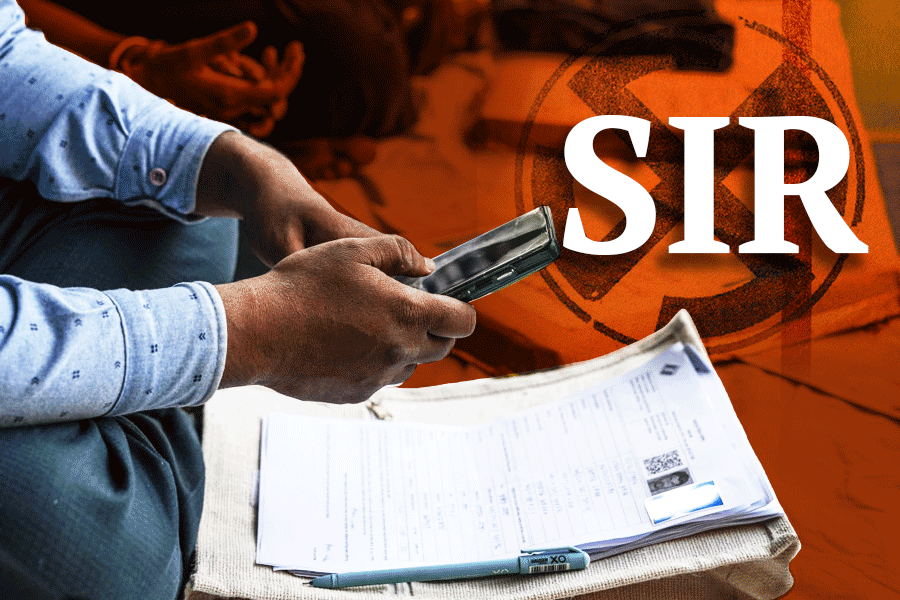
Delhi Draft Voter Roll Excludes 47 Lakh Names, Sparks Row

Delhi Draft Voter Rolls Exclude 47.56 Lakh; Claims Remain Open

AAP alleges migrant voters intentionally removed from Delhi electoral rolls
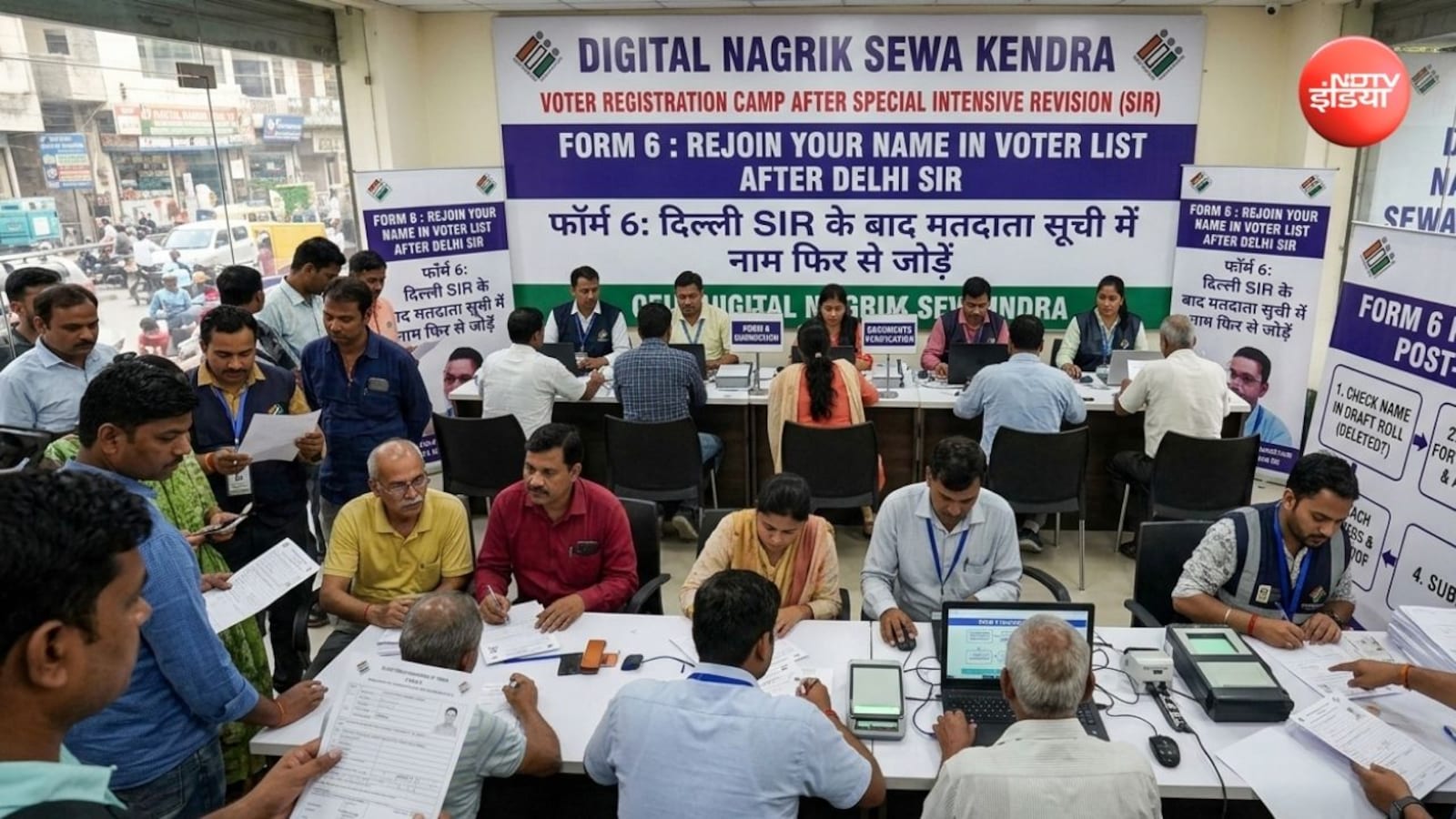
Delhi SIR Draft Roll Leaves 47.6 Lakh Voters Unlisted

Delhi draft electoral roll may delete a third of names
Mysuru Dasara Plans Expand With Southern States, Armed Forces

Kichcha Sudeep Thanks Fans as Devaraaya Title Unveiled

33 Passengers Escape Tourist Bus Fire in Anantapur
Bengaluru Car’s Abusive LED Message Sparks Public Safety Concerns