1 year ago
Cities Need Heat Redesign to Combat Rising Urban Temperatures
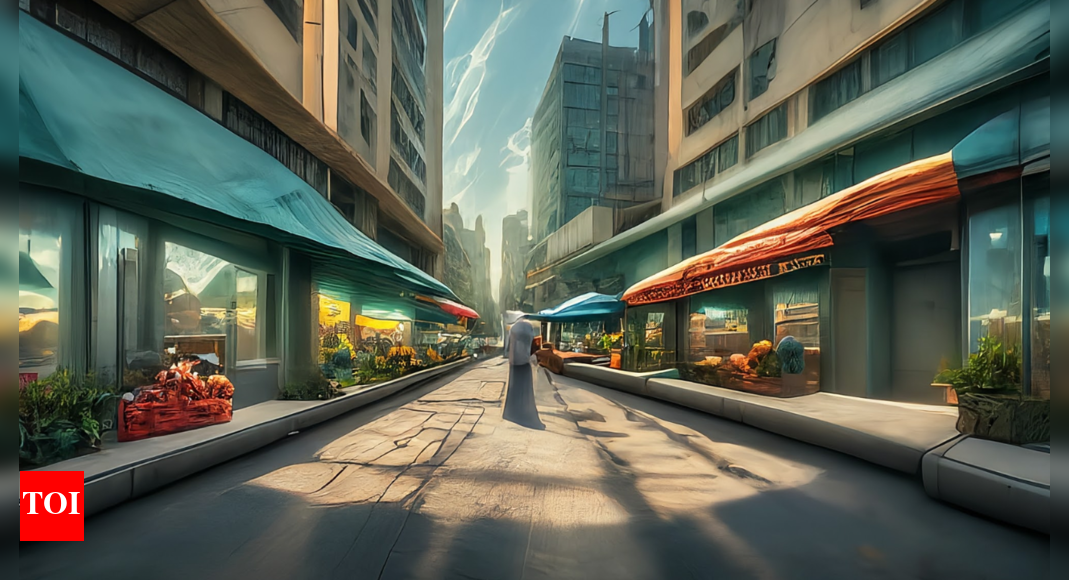
Cities are getting hotter because of climate change, turning into 'ovens' for people.
Eleni Myrivili, who works for the UN, says we need to change how cities are built.
They are creating new programs to help people understand the danger of the heat.
Some solutions include making shaded areas for buses and train stops, and planting more trees to cool down the city.
She says we should focus on shade, wind, and water to cool down urban areas.
Air conditioning is a tricky solution.
It helps individuals but can make public spaces hotter, so people must be careful when using it.

Cities are becoming heat traps due to climate change, necessitating redesign.
Eleni Myrivili, Global Chief Heat Officer, emphasizes the urgency of addressing urban heat.
Solutions include heat categorization, public awareness campaigns, and shading structures.
The Mediterranean region has seen a significant increase in heat stress days in recent years.
Prioritizing shade, wind, water, and nature is crucial for cities to adapt.
- Who
- Eleni Myrivili, Global Chief Heat Officer and UN-Habitat.
- What
- Redesigning cities to combat rising urban temperatures.
- Where
- Focus on cities such as Athens and other urban areas globally.
- When
- Ongoing, with an increase in extreme heat events in recent years.
- Why
- Cities are becoming heat traps, necessitating redesign to mitigate impacts on vulnerable populations.
Against Air Conditioning
Pro Air Conditioning
Use of Air Conditioning
Against Air Conditioning
Air conditioning can be a maladaptive response, creating more heat in public spaces.
Pro Air Conditioning
Air conditioning is crucial for vulnerable populations, and cities should ensure access to it.
Key facts
- Organization
- UN-Habitat
- Expert
- Eleni Myrivili
- Title of Expert
- Global Chief Heat Officer
- Focus
- Urban Heat in Cities
- Location of Example
- Athens, Greece
- Mediterranean Heat Stress Days (2024)
- 66 days