

54 mins ago
Xi Enters Trump Summit With China’s Trade Engine Roaring

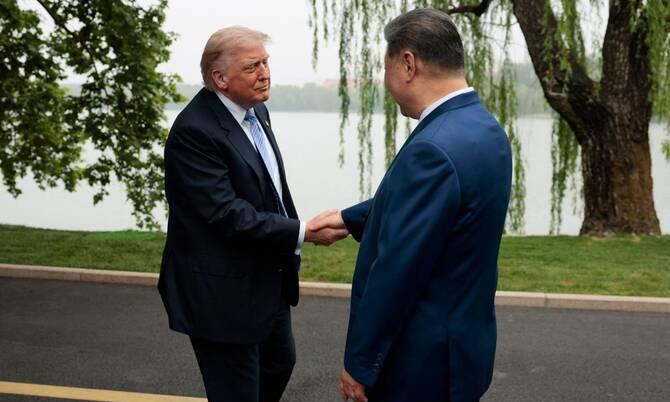
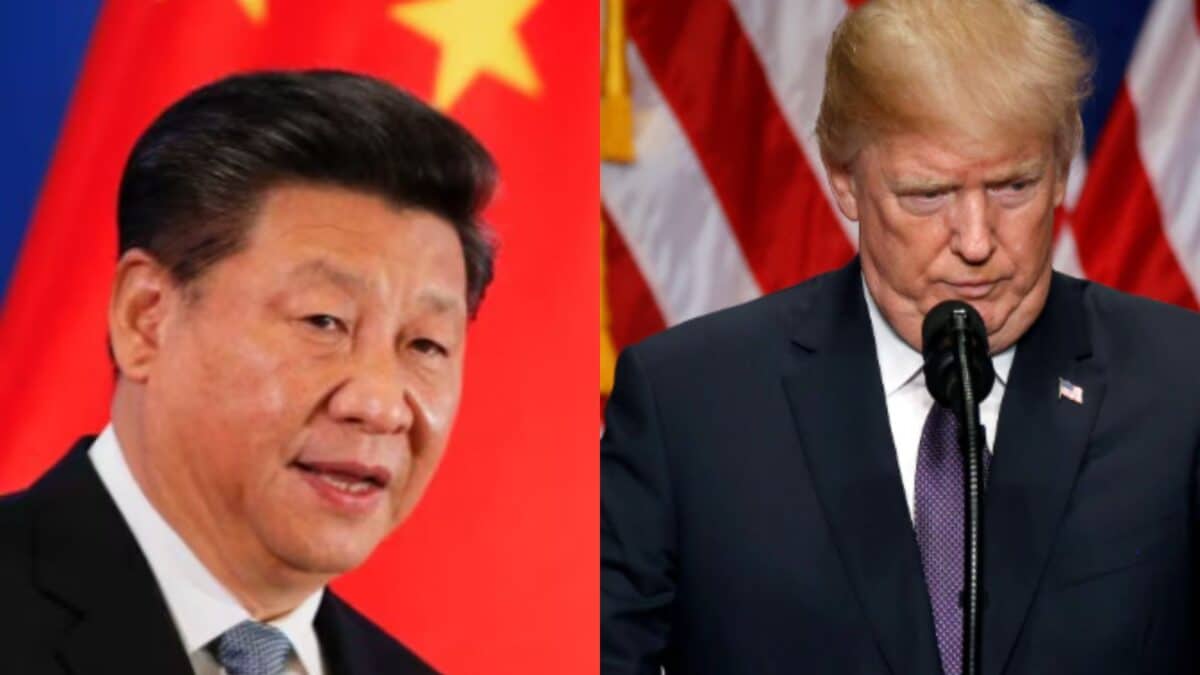
Xi Jinping of China and Donald Trump of the United States are preparing to meet in Washington.
They are expected to talk mostly about trade.
The two countries previously agreed to a trade truce that reduced the risk of a major economic shock.
China’s exports have continued to grow, even though its economy has problems at home.
Trump may want China to buy more American goods and help stop chemicals linked to fentanyl from reaching the United States.
Taiwan could also be discussed because China claims the island and the United States supports it.
Trump wants Xi to pressure Iran to end the war, but China has not shown much interest in doing that.
Analysts expect the meeting to focus more on keeping relations stable than on producing a major breakthrough.

Xi Jinping and Donald Trump are set to meet in Washington on September 24, with trade expected to dominate discussions.
Analysts say China’s global trade surplus is on pace to exceed $1 trillion for a second consecutive year.
Preparatory talks focused on possible agreements involving artificial-intelligence safeguards and trade in non-sensitive products.
The leaders may also discuss Taiwan, Chinese purchases of U.S. goods, and fentanyl precursor chemicals.
Washington hopes Xi can help pressure Iran, but China has shown little inclination to intervene in the war.
- Who
- Chinese President Xi Jinping and U.S. President Donald Trump, along with officials from both countries.
- What
- A September 24 summit focused mainly on extending a trade truce and addressing trade, Taiwan, artificial-intelligence safeguards, and Iran.
- Where
- Washington, United States; preparatory talks were held in New York.
- When
- The summit is scheduled for September 24; preparatory talks took place on Sunday, September 21.
- Why
- Both leaders are seen as seeking stability in the relationship while pursuing other priorities, including Iran for Trump and domestic resilience for Xi.
U.S. Priorities
Chinese Priorities
Trade negotiations
U.S. Priorities
Washington may seek Chinese purchases of Boeing aircraft and U.S. farm goods, along with action against fentanyl precursor chemicals.
Chinese Priorities
Beijing is portrayed as seeking an extension of the trade truce rather than making major concessions, giving China time to strengthen itself.
Taiwan’s role
U.S. Priorities
Some officials in Taipei and Tokyo fear Trump could use U.S. support, including a pending arms package, to secure political or economic gains from Beijing.
Chinese Priorities
Chinese officials indicate that Washington’s approach to Taiwan is central and that concessions on Taiwan could lead Beijing to accommodate U.S. concerns on trade and law enforcement.
Iran pressure
U.S. Priorities
The Trump administration views Xi as uniquely able to pressure Iran to end the war and has threatened secondary sanctions on countries doing business with Tehran.
Chinese Priorities
China has shown little inclination to pressure Iran and says it is unaware of reported sanctions-evasion trade involving the country.
Key facts
- Summit date
- September 24
- Summit location
- Washington
- Main focus
- Whether to extend the trade truce agreed in October 2025
- China’s trade surplus
- Projected to exceed $1 trillion for a second consecutive year
- Preparatory talks
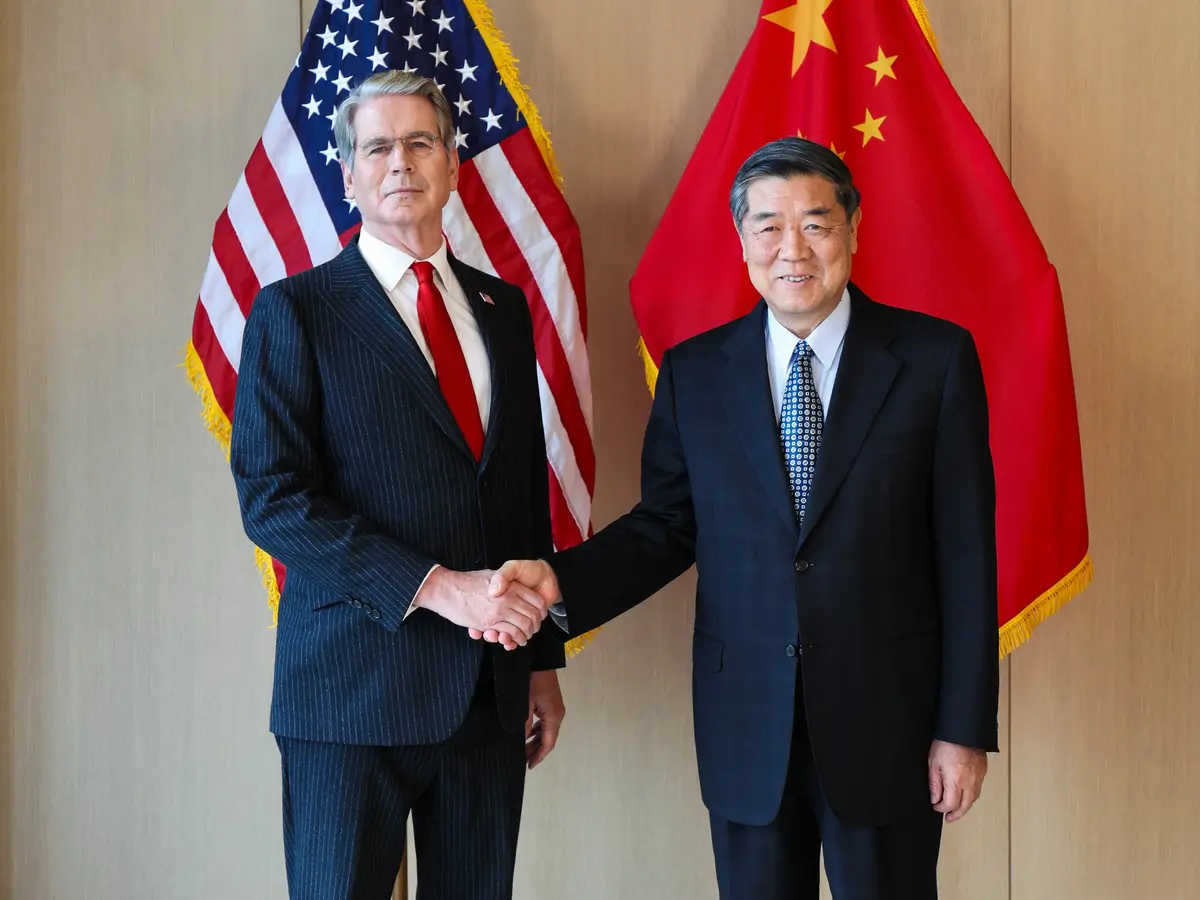
- Led by U.S. Treasury Secretary Scott Bessent and Chinese Vice Premier He Lifeng
- Potential agreements
- Artificial-intelligence safeguards and trade in non-sensitive products
- Taiwan arms package
- Trump described a pending $14 billion U.S. package as a negotiating chip
- Additional issue
- U.S. hopes China will pressure Iran to end the war
Quotes
Scott Kennedy
Expert on the US-China economic relationship at the Center for Strategic and International Studies
“Xi is not really looking for anything tangible. He wants to extend the gentleman’s agreement with Trump so that China has time to fortify itself.”
 theprint.in
“For Trump, that is Iran. For Xi, that is building out China’s domestic resilience for whatever comes after Trump.”
theprint.in
Sources
Related news

Trump-Xi Washington Talks Put Global Economy in Focus
Trump Says He Will Host Xi Jinping at September Summit
Trump and Xi Prepare for High-Stakes September 24 Summit
Bessent and He Lifeng Prepare Trade Agenda Before Trump-Xi Summit

Trump and Xi Prepare for High-Stakes White House Talks
China, US Prepare for High-Level Exchanges Ahead of Xi-Trump Meeting

Asian Markets, Crude Set Cautious Tone for Indian Stocks

India’s CCTV Market Shifts Toward Smarter, Compliant Surveillance