2 days ago
India's Tokenisation Explained: Securities, Regulation and Investor Implications

Tokenisation means showing ownership of something with a digital token.
The token can represent ownership or economic rights in an asset.
These tokens are recorded on a distributed ledger.
A distributed ledger is a shared digital record.
Securities regulators around the world are interested in this idea.
They are examining how digital tokens could be used in securities trading.
The topic is also being considered in India.
The article focuses on what tokenisation could mean for securities, rules and investors.

Tokenisation represents ownership or economic rights in an asset as a digital token.
These tokens are created on a distributed ledger.
Securities regulators worldwide are examining tokenisation.
The focus includes how tokenisation could translate into securities trading.
The article examines tokenisation’s implications for securities, regulation and investors in India.
- Who
- Securities regulators worldwide and investors are the main groups discussed.
- What
- The article explains tokenisation, in which ownership or economic rights in an asset are represented by a digital token, and considers its connection to securities trading.
- Where
- India, with reference to securities regulators around the world.
- When
- Why
- Regulators are examining tokenisation and how it may translate into securities trading.
Key facts
- Topic
- Tokenisation in India
- Definition
- Representation of ownership or economic rights in an asset as a digital token
- Underlying technology
- Distributed ledger
- Regulatory interest
- Securities regulators around the world are examining tokenisation
- Market connection
- Potential translation of tokenisation into securities trading
- Focus areas
- Securities, regulation and investors
Sources
Related news

India Prepares Pilot for Tokenised Corporate Bonds
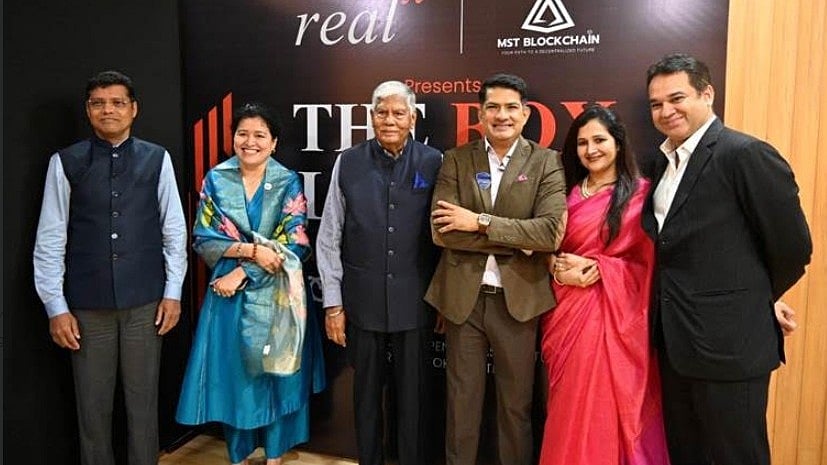
The BOX Launch Highlights India’s Real-World Asset Tokenisation Push
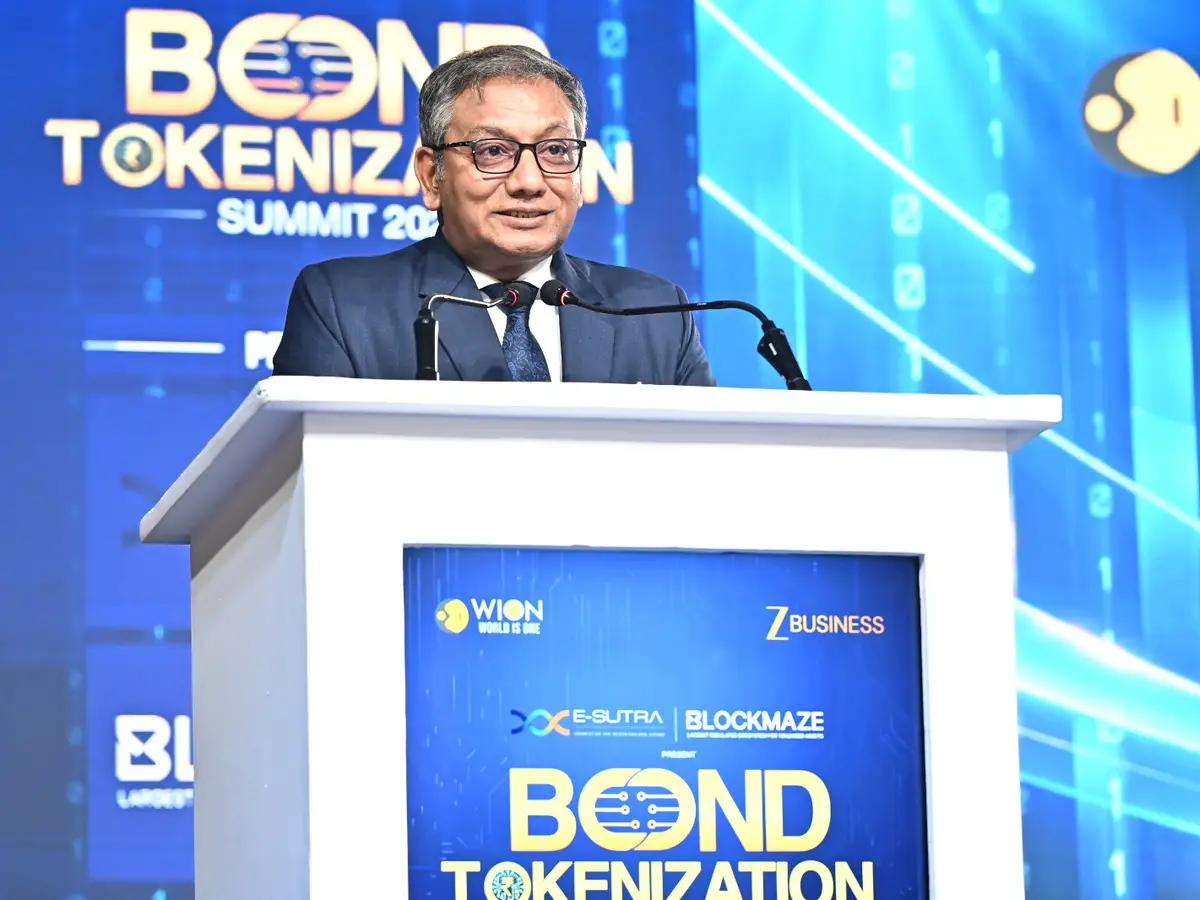
India’s Bond Tokenization Summit Examines Blockchain’s Financial Future

Equiniti Eyes India’s Tokenised Assets Market After Bullish Acquisition

REC Launches India’s First Tokenized Corporate Bond Pilot

SEBI Launches Demat 2.0 Pilot for Tokenised Corporate Bonds

India’s $30 Trillion Sprint Depends on Execution and Collaboration

Industry Leaders Outline Path to Insurance for Every Indian

Clean Max Enviro Shares Swing on Likely ₹1,063-Crore Block Deal
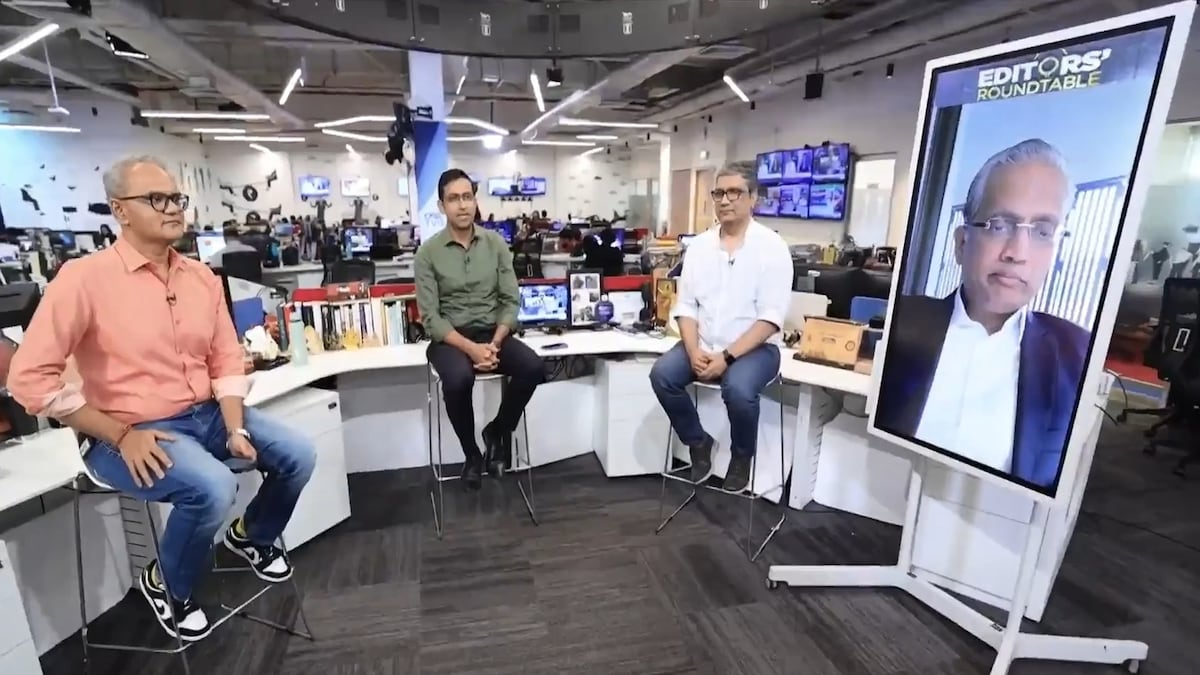
Investors See Room to Trim AI Stocks After Sharp Rally