1 hr ago
Nobel Chemistry Winner Hideki Shirakawa Dies at 90
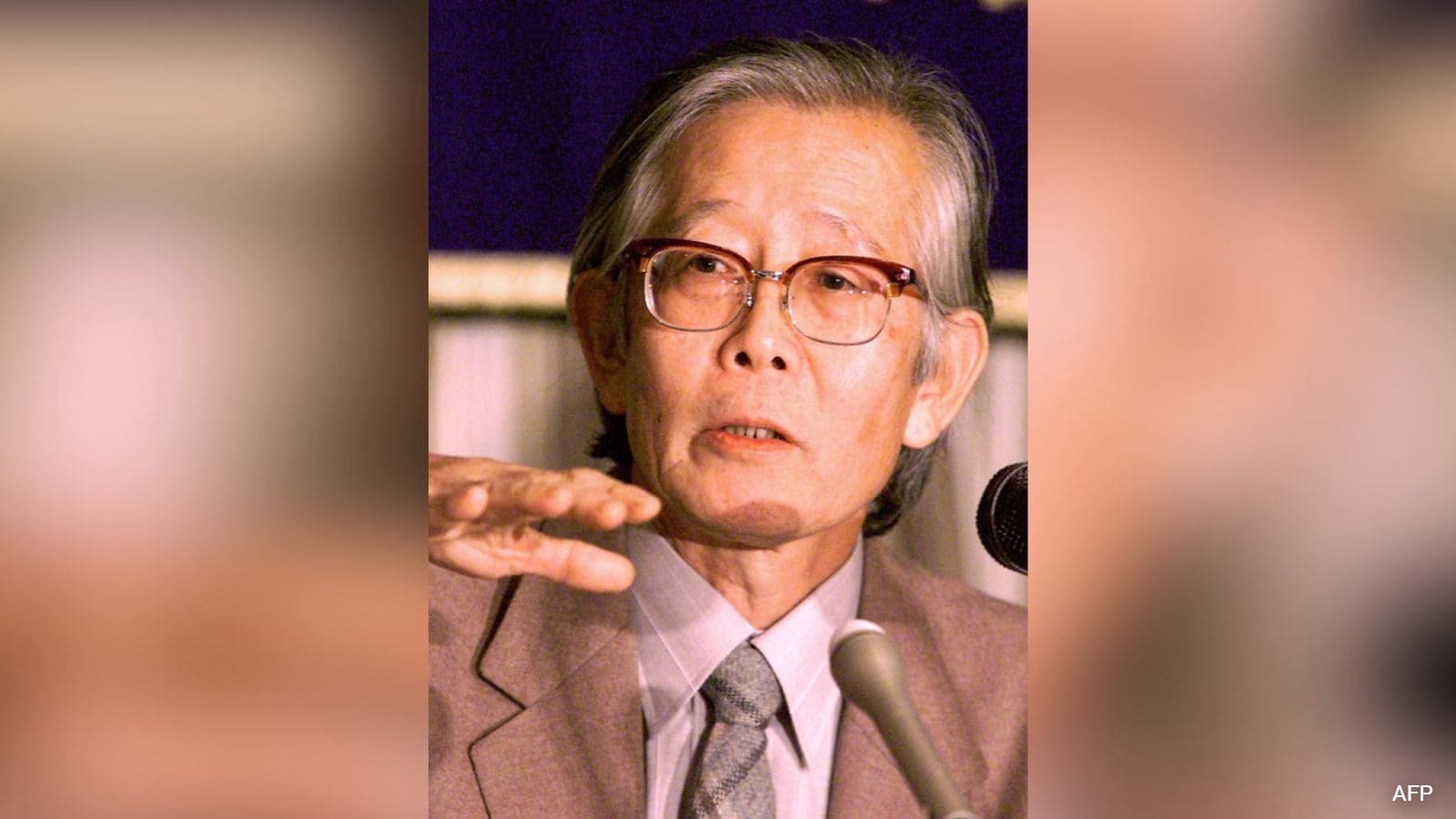
Hideki Shirakawa was a scientist from Japan who studied plastics.
He discovered that some plastics can carry electricity.
He shared the 2000 Nobel Prize in Chemistry for this work with Alan Heeger and Alan MacDiarmid.
Their discovery challenged the usual idea that plastics cannot conduct electricity.
Conductive plastics can be lighter and more flexible than metals.
They are used in things such as solar cells and mobile phone screens.
Shirakawa died on August 24 at age 90.
The cause of his death was not announced.

Hideki Shirakawa, co-winner of the 2000 Nobel Prize in Chemistry, has died aged 90.
The University of Tsukuba said Shirakawa died on August 24 but did not give a cause.
The Yomiuri newspaper reported that he died at a hospital in Yokohama.
Shirakawa, Alan Heeger and Alan MacDiarmid showed that plastic could conduct electricity like metal.
Their work helped enable lighter, flexible conductive materials used in solar cells and mobile phone screens.
- Who
- Japanese scientist Hideki Shirakawa, along with fellow researchers Alan Heeger and Alan MacDiarmid.
- What
- Shirakawa died at age 90; he was known for developing conductive polymers and sharing the 2000 Nobel Prize in Chemistry.
- Where
- The University of Tsukuba announced his death, while Yomiuri reported that he died at a hospital in Yokohama.
- When
- He died on August 24; the articles do not specify the year.
- Why
- His work demonstrated that plastics could conduct electricity and helped advance flexible, lightweight electronic materials.
Key facts
- Age at death
- 90
- Nobel Prize
- Co-winner of the 2000 Nobel Prize in Chemistry
- Scientific contribution
- Discovery and development of conductive polymers
- Date of death
- August 24
- Reported location of death
- A hospital in Yokohama, according to Yomiuri
- Academic institution
- University of Tsukuba
- Applications of the research
- Solar cells and mobile phone screens
Sources
Related news

Pawan Kalyan Pays Tribute to Chandrasekhar, Bismillah Khan

Yayoi Kusama Dies at 97 After Extraordinary Artistic Career

Pune Couple’s Startup Converts Hard-to-Recycle Plastic Into Footwear
UoH Professor Wins Top Ewald Prize for Crystallography Work
Indian-Origin PhD Student Found Dead After Solo Hike in California

Ten-Year-Old Builds AI Electronic Nose for Airport Security

Taeyong to Perform at SBS Gayo Daejeon
G-I-DLE Plans 2026 Comeback and World Tour
Byculla Zoo Hosts Bonsai & Origami Exhibition

Nissan Sells Yokohama Headquarters Amidst Financial Struggles and Revival Plan