2 weeks ago
US-Iran stalemate persists as 60-day peace framework expires

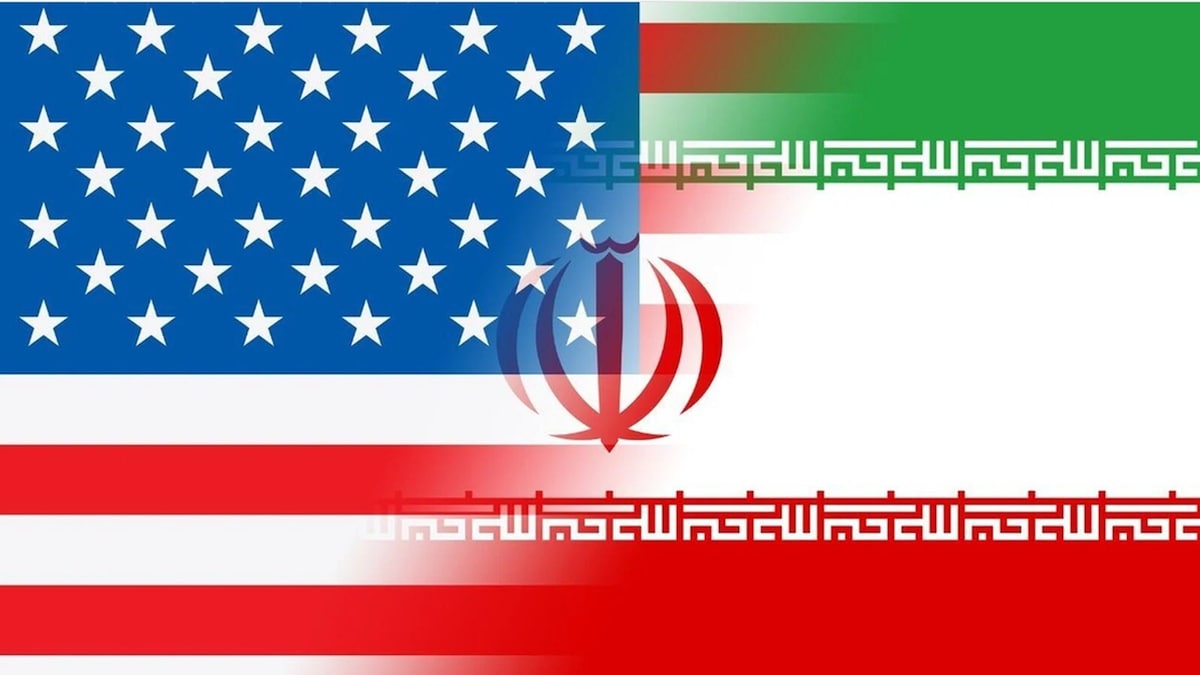
The United States and Iran made a promise to try to make peace within 60 days.
That time is now over, and they did not make a deal.
Instead, they kept fighting each other.
Iran closed a very important waterway called the Strait of Hormuz, where many ships carry oil.
The United States then blocked Iran's ports in return.
Other groups also started fighting, like the Houthis in Yemen and Saudi Arabia.
Both countries are now trying to hurt each other's money and trade.
The United States says it will keep blocking Iran's ports for a very long time.
Iran thinks it can wait until the United States has its elections.
So the world is still stuck in a conflict that neither side seems able to end.

The 60-day window for a US-Iran long-term peace framework expired Monday without an agreement.
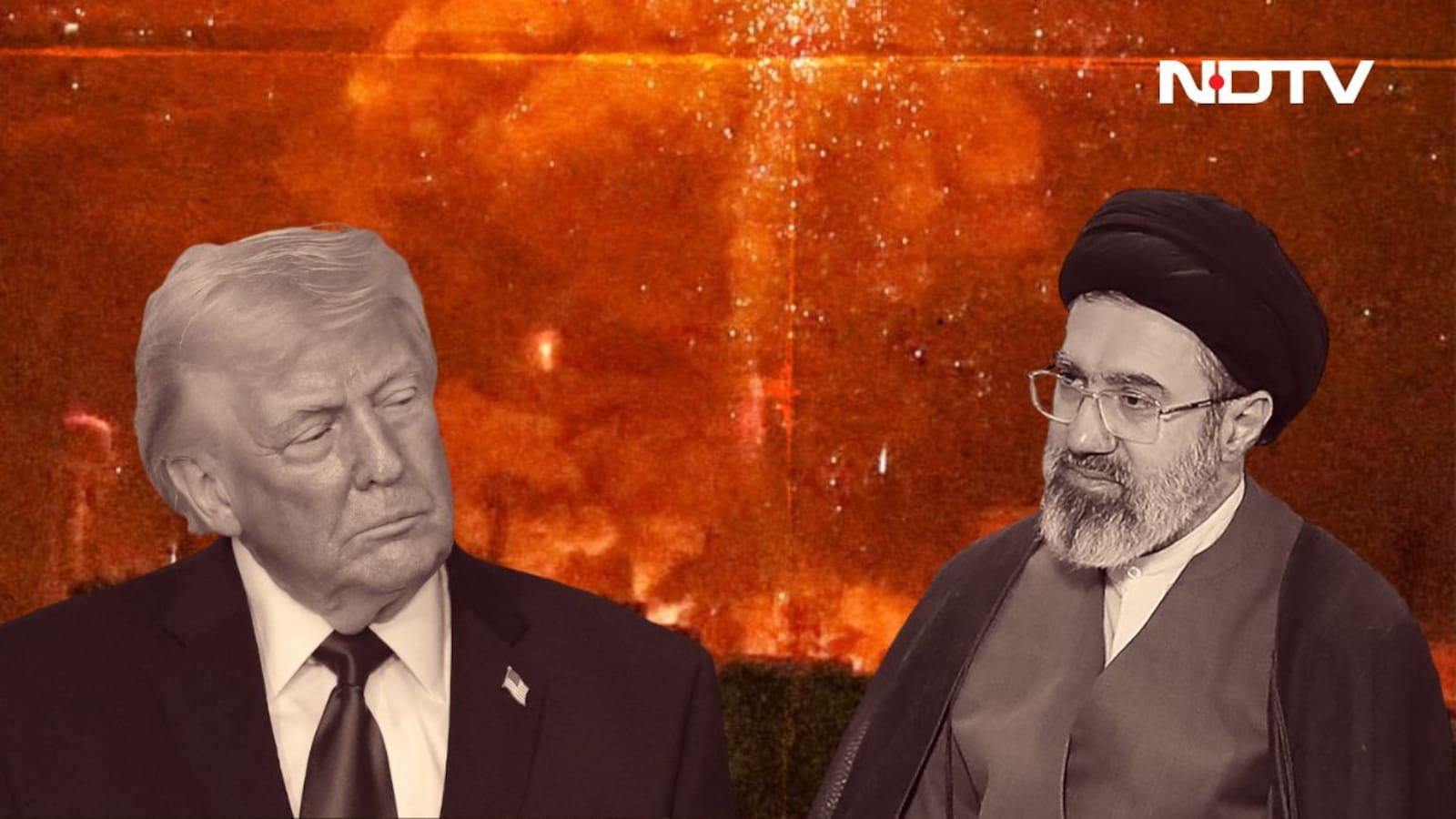
Both sides traded strikes in late June and July as the memorandum of understanding unraveled over interpretation disputes.
The framework failed to reopen the Strait of Hormuz, blockaded by Iran since the late February Israel-US attack, prompting a US counterblockade.
The Houthis and Saudi Arabia attacked each other as the Houthis enforced a partial blockade of the Bab el-Mandeb.
Washington rescinded Iranian oil sanction waivers and threatened an indefinite naval blockade, while Tehran plans to wait out Trump until the midterms.
- Who
- The United States and Iran, with President Trump and Iran's hardline regime, plus the Houthis and Saudi Arabia.
- What
- The 60-day window for a US-Iran long-term peace framework expired without a deal, leaving a stalemate and a widening conflict.
- Where
- The Strait of Hormuz, the Bab el-Mandeb, and the broader Middle East region; Trump also threatened Oman.
- When
- The 60-day window expired on Monday; strikes were traded in late June and July, and the Strait of Hormuz has been blockaded since late February.
- Why
- Disagreements over interpreting the memorandum of understanding's terms, and both sides doubling down on economic warfare.
US perspective
Iran perspective
Peace framework
US perspective
Trump insists a negotiated settlement is possible and needs to show the pressure campaign is producing results before the midterms.
Iran perspective
Iran sees the stalemate as the new balance of power and calculates it can squeeze Trump until the midterms.
Economic warfare
US perspective
Washington rescinded sanction waivers on Iranian oil and threatened to maintain its naval blockade of Iranian ports indefinitely.
Iran perspective
Iran must calculate how long it can absorb the economic costs without making concessions.
Military pressure
US perspective
The US has learned that bombing alone will not dislodge Iran's hardline regime and is running low on munitions.
Iran perspective
Iran knows that ballistic missiles fired at US bases or Israel will not change the fact that the US has come to stay in the region.
Key facts
- Peace framework
- 60-day window for a long-term US-Iran peace framework expired Monday without a deal
- Strait of Hormuz
- Blockaded by Iran since the late February Israel-US attack; US responded with a counterblockade
- US naval blockade
- Washington threatened to maintain its blockade of Iranian ports indefinitely
- Oil sanctions
- US rescinded sanction waivers on Iranian oil in the international market
- Bab el-Mandeb
- Partially blockaded by the Houthis, who traded attacks with Saudi Arabia
- US munitions
- US is running low on munitions
- US midterm elections
- Approaching; Trump needs to show the pressure campaign is producing results
- Trump threat
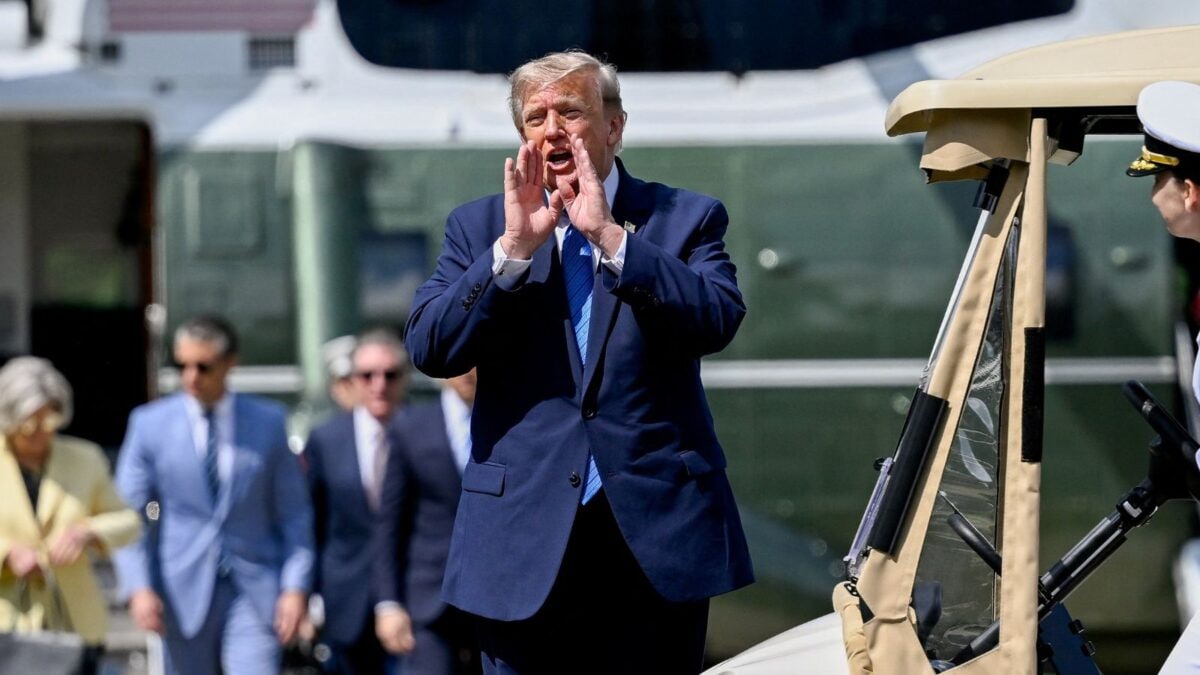
- Threatened to bomb Oman if it 'gets in the way' of a deal with Iran
Quotes
President Donald Trump
U.S. President
“"He has now threatened to bomb Oman if it gets in the way of a deal with Iran."”
 indianexpress.com
Sources
Related news

Iran threatens offensive in Hormuz as US peace talks stall
Iran Reports No Progress Reviving Interim Deal With US
Iran War Reaches Costly Stalemate as Trump Bets on Sanctions

Iran War's Six-Month Shift From Victory Claims to Economic Warfare
Trump Threatens to Bomb Oman, Urges Iran Surrender Over Hormuz

Trump Rules Out Iran Talks as Hormuz Standoff Widens
US-Iran Strikes Escalate as Tehran Warns of New Strategy
Trump Warns of Fresh Iran Strike After Heavy Attack

Trump Says US Could Attack Iran Again at Will

U.S. Treasury Yields Ease as Jobs Data Misses Expectations
Iran Seizes Fuel-Smuggling Vessel in Gulf, Arrests 11 Crew