4 days ago
Practising Yoga on an Empty Stomach May Ease Discomfort
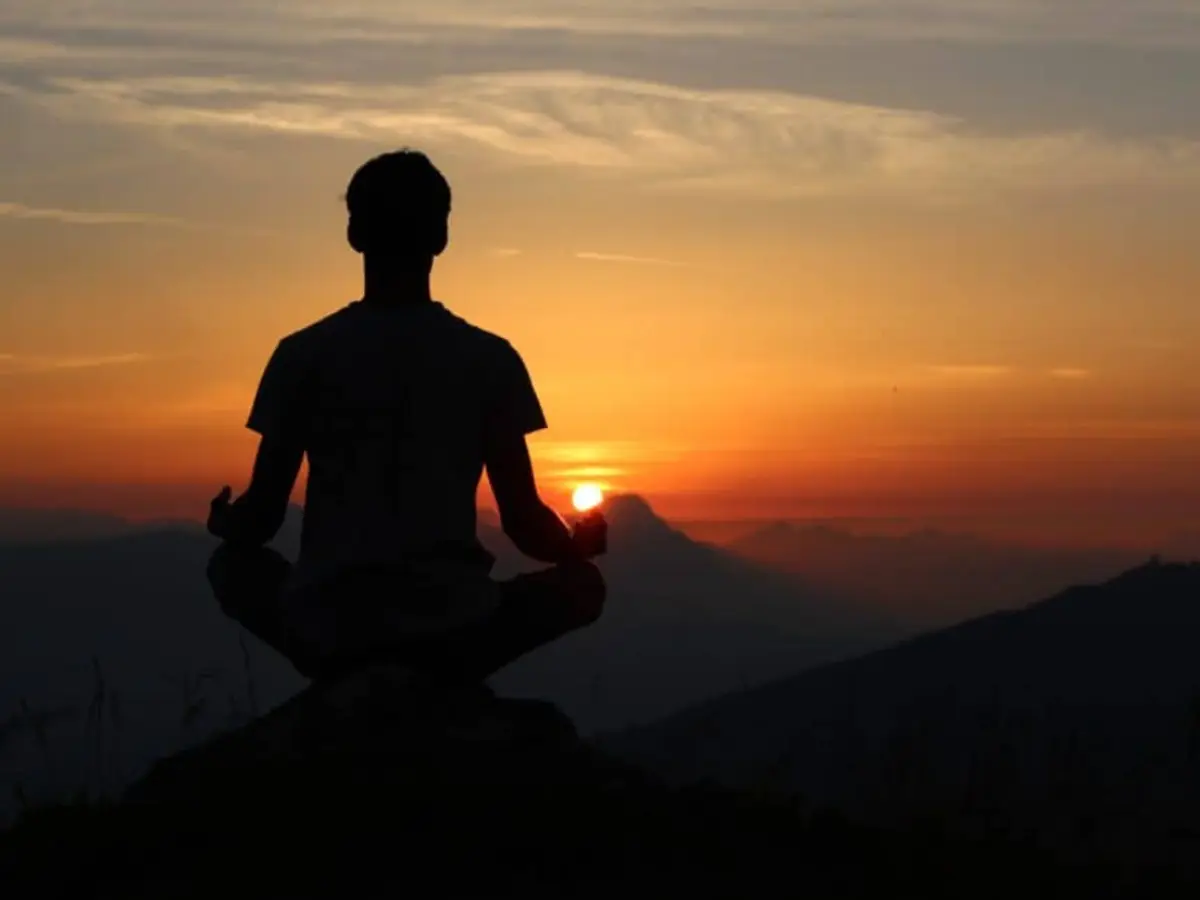
Yoga involves bending, twisting, and sometimes turning upside down.
Doing these movements soon after a large meal can make some people feel sick or cause acid reflux.
Waiting a few hours gives the stomach time to digest food.
An empty stomach may also help blood flow support the muscles and brain during practice.
It can make breathing and core exercises feel easier.
However, fasting does not work equally well for everyone.
Some people may feel dizzy if they do not eat first.
Pregnant people and those with low blood sugar may benefit from a small snack, such as a banana or almonds, about 45 minutes before yoga.

Traditional yoga guidance recommends practising two to four hours after a heavy meal.
An empty stomach may reduce reflux, bloating, and nausea during compressive poses.
Without digestion underway, blood flow can be directed toward muscles and the brain.
Less abdominal fullness may support deeper breathing and core engagement.
People prone to low blood sugar, pregnant women, or those doing intense sessions may need a light snack.
- Who
- Yoga practitioners, including people with low blood sugar, pregnant women, and those attempting demanding sessions.
- What
- The article explains the possible effects of practising yoga on an empty stomach and when a snack may be useful.
- Where
- During yoga practice, including on a yoga mat.
- When
- Traditional guidance recommends practising two to four hours after a heavy meal; many people practise in the morning.
- Why
- An empty stomach may reduce digestive discomfort and support breathing, muscle use, flexibility, and core engagement.
Practise on an empty stomach
Eat a light snack when necessary
Digestive comfort
Practise on an empty stomach
Traditional guidance favors an empty stomach because twists, folds, and inversions can worsen discomfort when food remains undigested.
Eat a light snack when necessary
People who become dizzy or unwell without food may need a small, easily digestible snack before practising.
Who may need an exception
Practise on an empty stomach
For many routine sessions, fasting is presented as the standard recommendation.
Eat a light snack when necessary
People with low blood sugar, pregnant women, and those attempting a rigorous 90-minute session may benefit from eating beforehand.
Key facts
- Traditional guidance
- The Hatha Yoga Pradipika advises practising on an empty stomach.
- Suggested waiting period
- Two to four hours after a heavy meal.
- Possible digestive effects
- Practising after eating may contribute to acid reflux, bloating, or nausea during certain poses.
- Potential physical benefit
- An empty stomach may allow blood flow to be directed toward skeletal muscles and the brain.
- Breathwork
- Less abdominal fullness may allow fuller lung expansion during pranayama.
- Snack option
- A banana or handful of almonds may be eaten about 45 minutes before practice when needed.
Sources
Related news

Avoid These Common Mistakes Before Your Next Yoga Session
Daily Yoga May Improve Flexibility, Posture, Stress, and Digestion
Daily Yoga Pose May Help Soothe Acid Reflux

Intentional Eating Trend Helps People Reconnect With Food and Bodies
Dr Manthena Urges Natural Living, Yoga and Disciplined Eating