

1 month ago
UP CM Yogi's Cow Conservation Vision
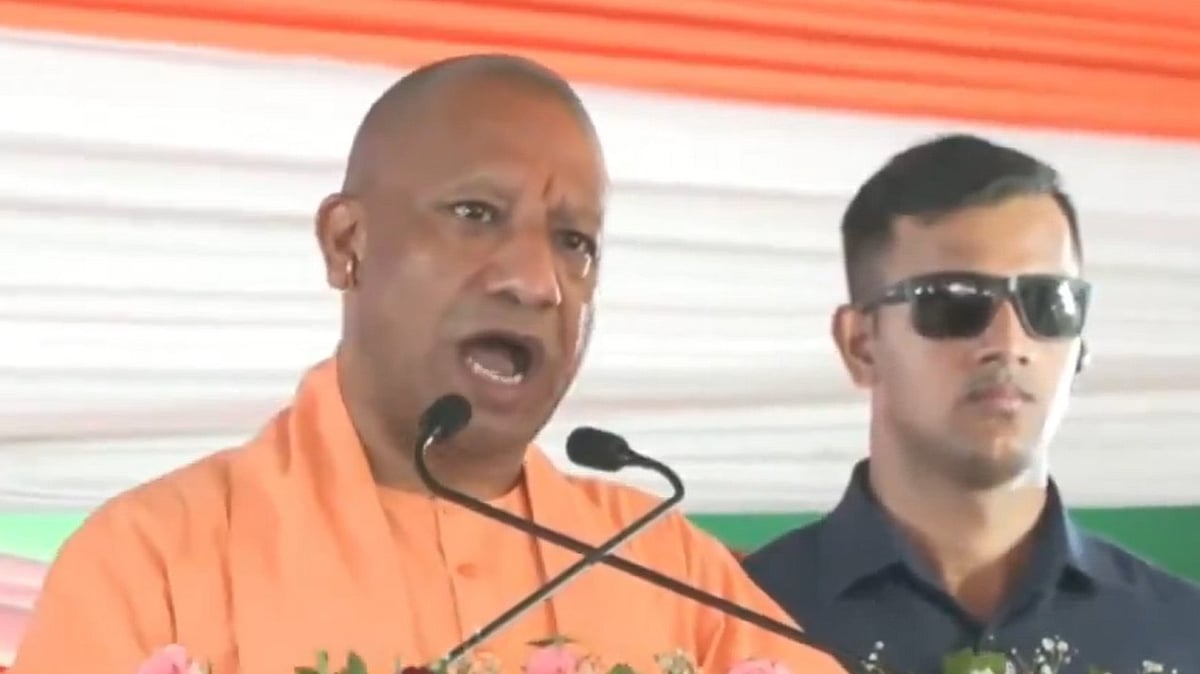
In Uttar Pradesh, Chief Minister Yogi Adityanath has a big plan to make cow shelters, called gaushalas, more than just places for cows.
He wants them to be centers where cows can help the local economy.
The idea is to use cow dung to make energy, cow urine to make useful products, and create jobs for people in the countryside.
A meeting was held in Lucknow with experts to talk about how to do this.
They discussed using modern technology and new ideas to make this work.
One expert said that a gaushala with 200 cows could make almost Rs 2 crore a year by selling things like biogas and organic manure.
This would help the cows and also create jobs and income for people in rural areas.

Uttar Pradesh's Chief Minister Yogi Adityanath aims to transform gaushalas into centers of rural economy, green energy, natural farming, and local entrepreneurship.
A meeting was held in Lucknow to discuss integrating cow conservation with modern technology and innovation.
Purish Kumar of the Global Confederation of Cow-Based Industries presented an economic model that could generate Rs 2 crore annually for a gaushala with 200 cows.
Experts shared success stories of using cow urine for natural farming and generating electricity from cow dung.
The goal is to create a sustainable model of self-reliance and rural prosperity alongside cow conservation.
- Who
- Chief Minister Yogi Adityanath, entrepreneurs, innovative farmers, cow welfare organizations, gaushala operators
- What
- A meeting to discuss the transformation of gaushalas into centers of rural economy, green energy, natural farming, and local entrepreneurship
- Where
- Indira Bhawan, Lucknow, Uttar Pradesh, India
- When
- July 24
- Why
- To integrate cow conservation with modern technology, innovation, and markets to develop a sustainable economic model for rural development and employment
Proponents of Cow Conservation
Critics of Cow Conservation
Economic Potential
Proponents of Cow Conservation
Proponents argue that cow conservation can generate significant income and employment through value-added products like biogas, organic manure, and natural farming inputs.
Critics of Cow Conservation
Critics may question the economic viability and sustainability of such initiatives, citing potential high costs and limited market demand.
Environmental Impact
Proponents of Cow Conservation
Supporters highlight the environmental benefits of natural farming and the use of cow dung for biogas, promoting a green and sustainable rural economy.
Critics of Cow Conservation
Opponents might argue that the environmental benefits are overstated and that other, more efficient methods of waste management and energy production exist.
Key facts
- Location
- Lucknow, Uttar Pradesh, India
- Date
- July 24
- Organizer
- Uttar Pradesh Go Seva Aayog
- Key Participants
- Entrepreneurs, innovative farmers, cow welfare organizations, gaushala operators
- Economic Model Presented By
- Purish Kumar, Secretary of the Global Confederation of Cow-Based Industries (GCCI)
- Potential Annual Income
- Rs 2 crore for a gaushala housing 200 cows
Quotes
Shyam Bihari Gupta
Chairman of Uttar Pradesh Go Seva Aayog
“In line with the vision of Chief Minister Yogi Adityanath, the innovations taking place in gaushalas across the state will be connected with the best technologies and successful models so that a sustainable model of self-reliance and rural prosperity can be developed alongside cow conservation.”
 freepressjournal.in
“If scientific value addition is carried out for milk, cow dung, and cow urine in a gaushala housing 200 cows, and biogas, organic manure, natural farming inputs, and other cow-based products are produced in a systematic manner, a potential annual income of nearly Rs 2 crore can be generated.”
freepressjournal.in
Sources
Related news

UK and Ukraine Open Battlefield AI Partnership Amid War

Nvidia’s RTX Spark AI PCs From Lenovo, Acer Launch October

Bengaluru Engineers Develop Affordable AI PC KEO

Volvo ES90 And EX90 Electric Flagships Launch In India

ASUS Expands TUF Gaming Laptops in India With New Models
Dy CM Orders Probe into Green Norm Violations at Panchadarla Hill
