

1 year ago
India's Dugongs Need Conservation: A Call to Action
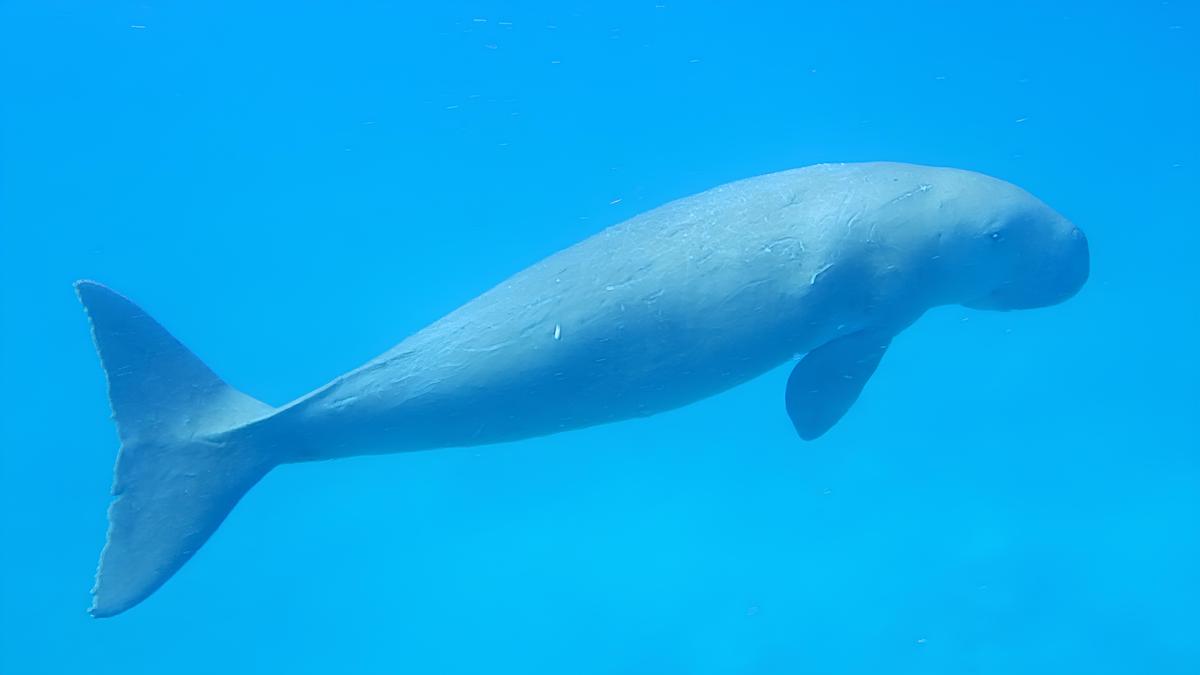
Dugongs, gentle sea creatures that look like a mix of seals and whales, are struggling to survive in India.
These animals, often called "sea cows," eat seagrass and are crucial for the health of the ocean.
They are facing threats like pollution, changes in fishing methods, and climate change.
A new protected area in Palk Bay aims to help them.
People can help by protecting seagrass and supporting sustainable fishing.
Researchers are also working to learn more about dugongs and their habitats to ensure their survival.

Dugongs, herbivorous marine mammals, are found in the Indo-Pacific region, including India.
Dugong populations are declining due to habitat loss, pollution, and fishing practices.
A dugong conservation reserve has been established in Palk Bay, Tamil Nadu.
Seagrass meadows, essential for dugong survival, are being lost at an alarming rate.
Conservation efforts include community involvement, research, and sustainable fishing practices.
- Who
- Dugongs are marine mammals; Prachi Hatkar is a marine researcher; OMCAR Foundation, Wildlife Institute of India, and Tamil Nadu Forest Department are involved in conservation efforts.
- What
- Dugongs, also known as sea cows, are facing threats to their survival in India's waters.
- Where
- Dugongs are found in the Indo-Pacific region, with a focus on the Indian coastline, including Andaman and Nicobar Islands, Gulf of Mannar, Palk Bay, and Gulf of Kutch.
- When
- World Dugong Day is celebrated on May 28th.
- Why
- Dugongs are vulnerable due to habitat loss, pollution, fishing practices, climate change, and human activities.
Key facts
- IUCN Status
- Vulnerable on the IUCN Red List
- Estimated Dugong Population in India
- 200 (estimated)
- Lifespan
- Up to 70 years
- Diet
- Herbivorous marine mammals
- Dugong Conservation Reserve in Palk Bay
- 448.3 sq. km
- Maximum Population Growth Rate
- 5% per year (estimated)
Sources
Related news
Thunderstorms and Moderate Rain Forecast Across Tamil Nadu

Moderate Rain, Thunderstorms Forecast Across Chennai, Tamil Nadu Districts

Indian Coast Seaweeds in Ice Cream, Toothpaste and Medicines

Thoothukudi fishing community demands sea ambulance services to save lives

Western Ghats to get moderate rain
