1 hr ago
Hospitals Use Digital Tools To Build Safer Care
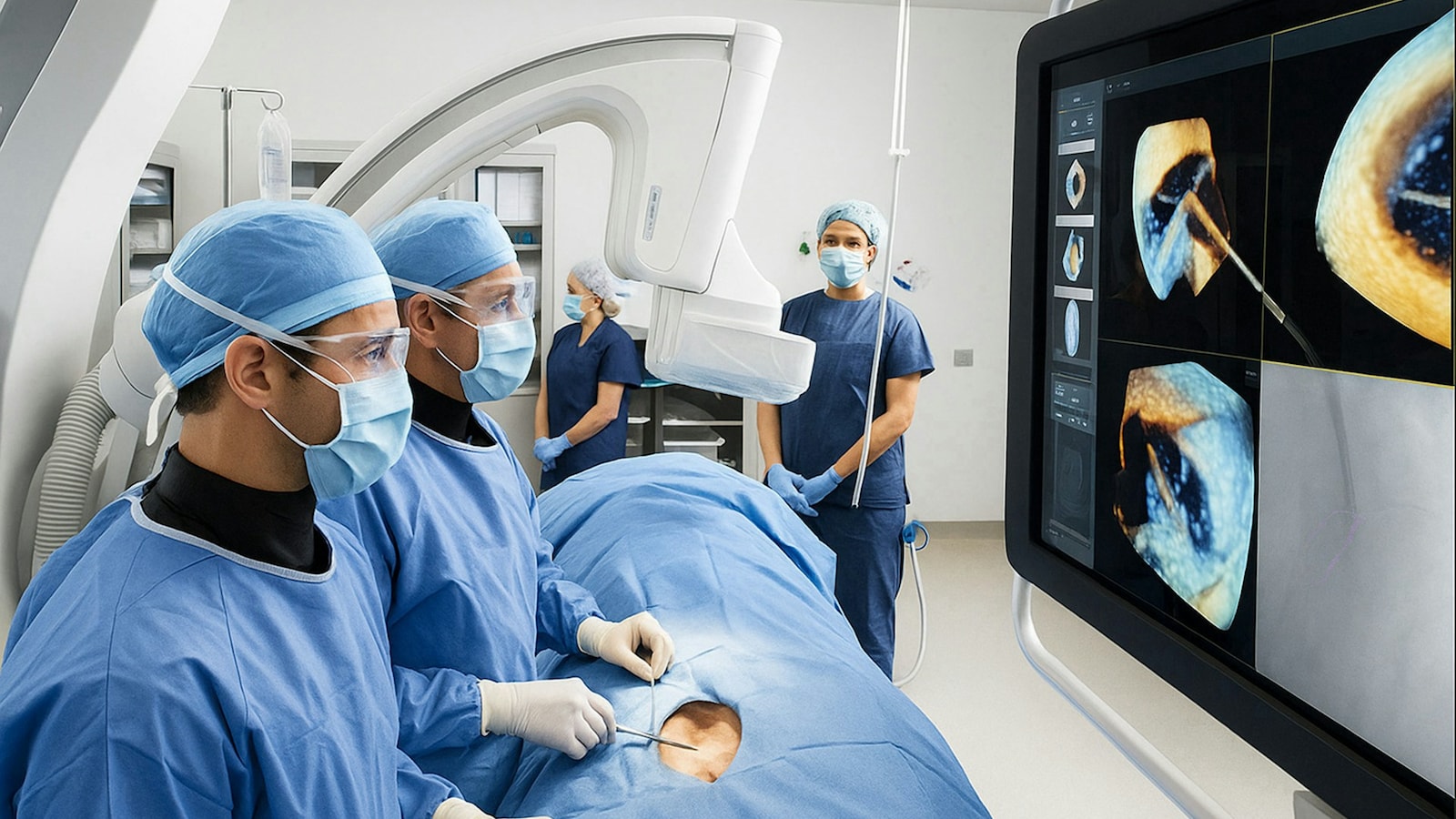
Hospitals are using technology to make patient care safer.
Nurses can scan a patient's wristband and medicine to check that they match.
Electronic records keep important health information together for doctors and nurses.
Digital checklists help surgical teams confirm important details before an operation.
Smart pumps can warn staff when a medicine is given at an unusual rate or dose.
Monitoring systems can alert teams when a patient's condition starts to change.
Artificial intelligence may help find warning signs in large amounts of medical information.
These tools do not replace doctors and nurses, because people still need to make the final decisions.
Technology works best when hospitals also have trained staff, clear rules, maintenance and a culture of learning from mistakes.

Bedside barcode scanning helps verify the patient, medicine, dose and timing before administration.
Electronic medical records centralize diagnoses, allergies, treatments, test results and medication histories.
Digital surgical checklists standardize checks involving patient identity, procedures, surgical sites, allergies and equipment.
Smart infusion pumps can alert staff when medication doses or infusion rates exceed predefined limits.
Continuous monitoring and artificial intelligence may help detect deterioration, but trained professionals and strong safety systems remain essential.
- Who
- Hospitals, doctors, nurses and other healthcare professionals use these safety technologies.
- What
- Hospitals are adding barcode scanning, electronic medical records, digital checklists, smart infusion pumps, continuous monitoring and artificial intelligence to reduce avoidable risks.
- Where
- They are used in operating rooms, hospital wards, at patients' bedsides and in other points of care.
- When
- These technologies are being used in modern hospitals, including before surgery, during medication administration and after patient admission.
- Why
- The goal is to identify risks earlier, standardize safety checks, support clinical decisions and make safe care more consistent.
Key facts
- Barcode scanning
- Can check the patient's wristband against medication and may also be used for blood transfusions and laboratory samples.
- Electronic medical records
- Bring diagnoses, allergies, previous treatments, investigation reports and medication histories together.
- Digital checklists
- Help surgical teams confirm identity, procedure, surgical site, allergies, blood, equipment and other resources.
- Smart infusion pumps
- Alert healthcare professionals when infusion rates or doses fall outside established parameters.
- Continuous monitoring
- Tracks vital signs and can alert teams when a patient's condition begins to change.
- Artificial intelligence
- May help identify patients at higher risk of deterioration and support early recognition of conditions such as sepsis.
- Implementation needs
- Technology requires trained staff, maintenance, reliable digital infrastructure, clear protocols and a culture of reporting and learning.
Quotes
Dr Hemkant Verma
Senior Consultant and Unit Head, Surgical Oncology, at ShardaCare - Healthcity
“Digital systems can also support clinical decision-making. Clinical decision-support tools may flag potential drug interactions, known allergies or abnormal laboratory results, allowing healthcare professionals to review possible risks before they result in complications. The technology does not replace a doctor's judgement, but it can provide an additional layer of information at the point of care.”
 NDTV
NDTV
Sources
Related news

BMC Explores Speech-to-Text AI for Hospital Consultations Across Mumbai

NHS Rules Face Challenge From Changing Healthcare AI

AI Helps Reveal Hidden Heart Risks Between Heartbeats

NHS England Chair Says India Could Model Efficient Healthcare

World’s First Live AI-Assisted Surgery Removes Brain Tumour