23 hrs ago
Shimla Monkey Menace Exposes Legal, Funding and Compensation Gaps
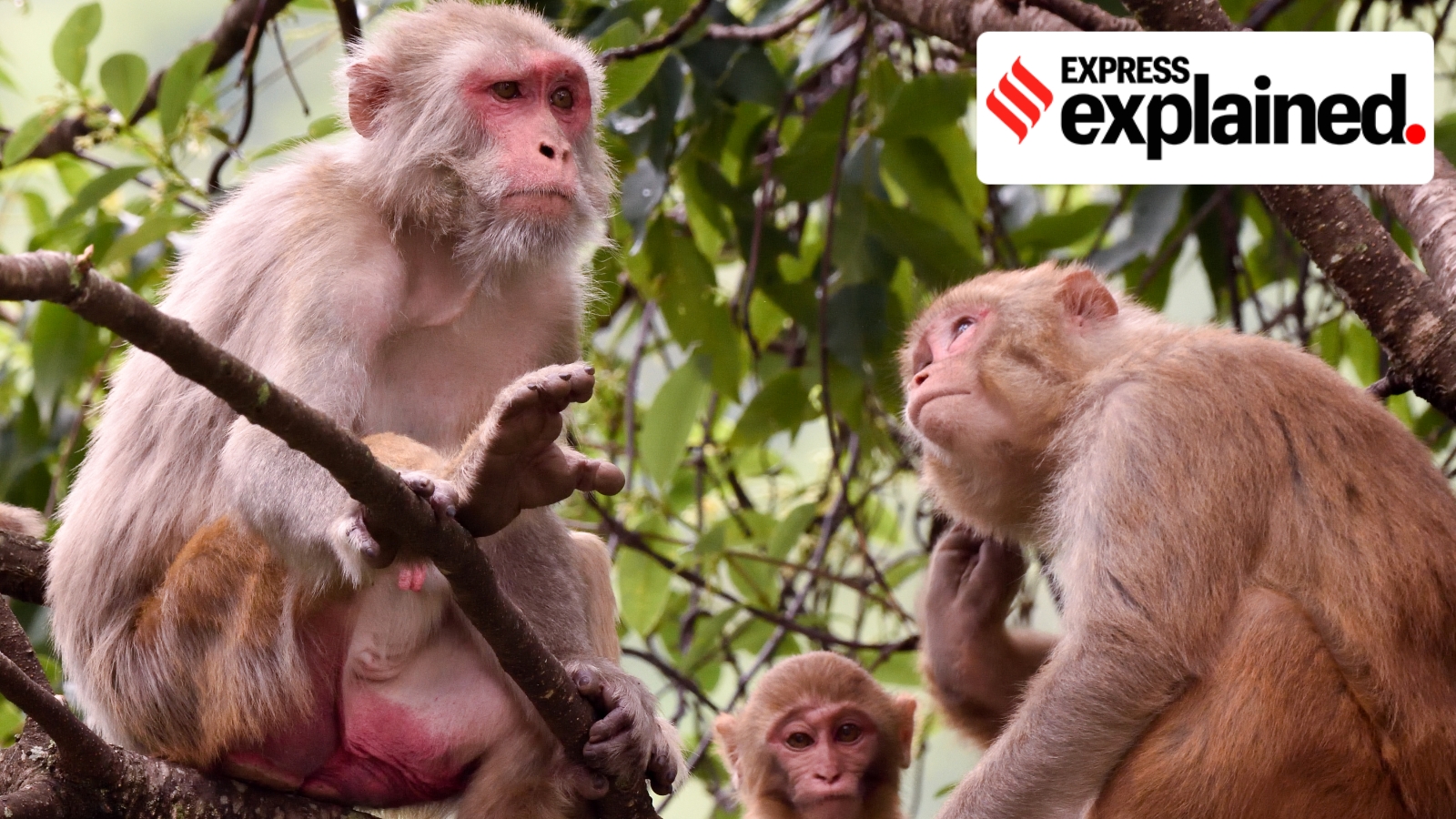
A woman named Satya Devi Chauhan died after monkeys attacked her in Shimla.
The attack happened on August 30, and she died on September 5.
Rhesus macaques used to be legally protected animals.
A 2022 law change removed them from that protected list.
This means city governments now have a larger role in dealing with monkeys.
Officials say cities do not have enough money or trained workers for the job.
Shimla still reports many monkey attacks each month.
The number of monkeys in Himachal Pradesh has fallen, partly because of sterilisation.
People are debating how to protect both residents and the monkeys, including whether Chauhan’s family should receive compensation.

Satya Devi Chauhan, 63, died after a rhesus macaque attack on her Shimla home on August 30.
The 2022 wildlife amendment removed rhesus macaques from the protected-species list, shifting primary responsibility toward civic bodies.
Officials say municipal bodies lack dedicated funding, trained personnel and expertise for capturing and sterilising monkeys.
Shimla records about 50–55 monkey-attack cases monthly, while Himachal Pradesh’s macaque population has declined since 2004.
A civic group sought Rs 5 lakh for Chauhan’s family, but officials said she may not qualify under the wildlife compensation policy.
- Who
- Satya Devi Chauhan, Shimla civic and forest officials, and rhesus macaques were central to the incident.
- What
- Chauhan died after a monkey attack, highlighting disputes over responsibility, conservation and compensation.
- Where
- The attack occurred on the roof of Chauhan’s house in Shimla, Himachal Pradesh.
- When
- She was attacked on August 30 and died on September 5; a protest seeking compensation was held on September 14.
- Why
- The incident raised questions after the 2022 amendment removed rhesus macaques from protected-species status and shifted practical responsibility toward urban local bodies.
Greater Civic Responsibility
Continued Forest Department Role
Who should manage monkeys?
Greater Civic Responsibility
After the 2022 amendment, officials say rhesus macaques are treated like stray animals and primary responsibility falls to urban local bodies such as the Shimla Municipal Corporation.
Continued Forest Department Role
Forest officials say they have not completely abandoned responsibility and continue assisting with capture and sterilisation, especially when municipal bodies request help.
How should monkeys be classified?
Greater Civic Responsibility
Some experts argue that the animals’ rapidly increasing population and attacks support treating them like vermin rather than protected wildlife.
Continued Forest Department Role
Others emphasize that monkeys are wild animals affected by human activity, including public feeding and possible encroachment into forest habitat, and raise concerns about conservation.
Compensation for the victim
Greater Civic Responsibility
Shimla Nagrik Sabha demanded Rs 5 lakh for Chauhan’s family after her death.
Continued Forest Department Role
Officials said the removal of rhesus macaques from the protected framework means the family is unlikely to qualify under Himachal Pradesh’s wildlife compensation policy.
Key facts
- Victim
- Satya Devi Chauhan, 63, a widow who suffered severe injuries including spinal damage.
- Attack location
- The roof of Chauhan’s house in Shimla.
- Monthly attacks
- Shimla records approximately 50–55 monkey-attack cases each month.
- Population trend
- Himachal Pradesh’s estimated rhesus macaque population fell from 317,512 in 2004 to 136,443 in 2019–20.
- Sterilisation
- The state began an organised programme in 2006; 186,448 monkeys had been sterilised by March 2024.
- Sterilisation cost
- The forest department charges urban local bodies Rs 700 for each monkey sterilisation.
- Compensation policy
- Officials cited Rs 75,000 for severe injuries, Rs 1 lakh for permanent disability and Rs 4 lakh for death, but said Chauhan’s family may not qualify.
Quotes
Shaminder Boparai
Wildlife expert and tiger conservationist
“Indeed, we lack the expertise, but we are in the process of training our manpower on how to capture the monkeys. Whenever a situation arises, we take the assistance of the concerned forest department. The issue of monkey menace has also been taken up with the Central government simultaneously.”
 indianexpress.com
“Practically, the state forest departments are now no more responsible for looking after the monkey menace. A monkey is now like a stray animal, which falls under the purview of civic bodies including urban local bodies (ULBs), that is, municipal corporations, nagar panchayats, etc.”
indianexpress.com
Sources
Related news

Study Finds Monkeys, Wild Boars Drive Wayanad Wildlife Conflict
Protest Follows Fatal Tiger Attack at Jaipur Wildlife Park

Uttarakhand Minister Details Forest, Health and Eco-Tourism Plans
Gaur Attack Kills Man; Relative Dies as Residents Demand Action
25-Year-Old Man Killed in Tiger Attack in Chandrapur

Raghav Chadha Supports Parineeti Chopra Ahead of Shaque Release

Shimla Residents Allege Tunnel Blasting Caused Cracks; NHAI Denies Claims

India’s First District Labour Data Reveals Wide Regional Gaps

Dr Satinder Sartaaj Announces 2026-27 India Tour