1 month ago
Israel's Haredi Military Exemption Law Sparks Debate
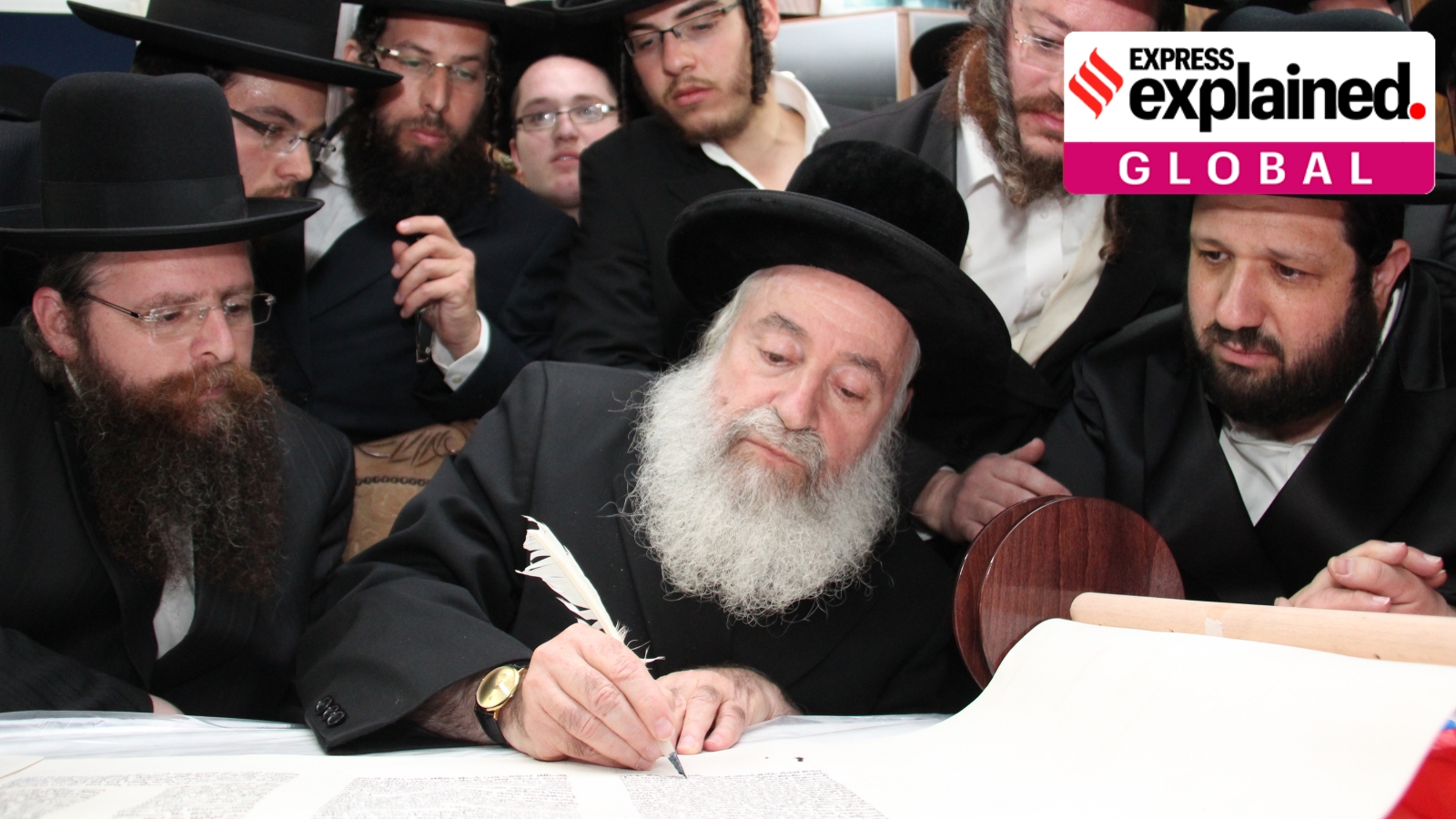
Israel's Parliament recently passed a law that exempts Haredi (ultra-Orthodox Jewish) men from military service.
This decision has sparked a big debate in Israel.
Some people think it's unfair because everyone should serve in the military.
Others believe that Haredi men should focus on religious studies instead of military service.
The law has been a long-standing issue since Israel was formed in 1948.
Initially, only a small group of religious scholars were exempt, but over time, the exemption has grown to include a much larger group.
This has created a divide between secular and religious communities.
The Haredi community sees military service as a threat to their religious identity, while secular Israelis see it as a matter of equality and justice.
The law has also raised concerns about the future of Israel's military readiness and social cohesion.

Israel's Parliament approved laws exempting Haredi men from military service.
The decision has sparked debate between secular and religious communities.
Initially, only a small group of religious scholars were exempt, but the exemption has grown over time.
Haredi men view military service as a threat to their religious identity.
Secular Israelis see the exemption as a matter of equality and justice.
- Who
- Israeli Parliament, Prime Minister Benjamin Netanyahu, Haredi community, Secular Israelis
- What
- Approval of laws exempting Haredi men from military service
- Where
- Israel
- When
- Recent approval by the Israeli Parliament
- Why
- To balance secular and religious traditions, political alliances, and differing views on civic obligation
Secular Israelis
Haredi Community
Military Service Obligation
Secular Israelis
Secular Israelis view universal military service as a foundational element of distributive justice, arguing that exempting an entire community is an unsustainable civic injustice.
Haredi Community
Haredim view military exemption as an absolute existential necessity, believing that spiritual defence through Torah study is equally or more important than physical military defence.
Political Influence
Secular Israelis
Secular and centrist parties view the legislation as political extortion, arguing it codifies a dual-class citizenship model.
Haredi Community
Haredi parties leverage their position as kingmakers in right-wing coalitions to demand explicit, ironclad legislation that bypasses Supreme Court rulings.
Key facts
- Year of Israel's Formation
- 1948
- Initial Haredi Exemption
- 400 elite ultra-Orthodox yeshiva students
- Current Haredi Exemption
- Entire rapidly growing demographic group
- Haredi Enlistment Rate
- 11% of eligible cohort
- Key Political Parties
- Shas, United Torah Judaism, Likud, Labour Party
- Supreme Court Ruling
- Exemptions violate 'Basic Law: Human Dignity and Liberty'
Sources
Related news

IIT Bombay Launches E-PG Diploma In Computer Science And AI

Ten Kautilya Students Secure Top Management Admissions Through IPMAT

UK School Warns Parents Ahead of Prince Harry's Children's Enrollment

Jharkhand Students Face Police Crackdown Amid Congress Silence Questions

NIT Warangal Opens New Avenues for Postgraduate Students

Gadi Eisenkot’s Yashar Leads Likud in Latest Israel Poll
Israel's Complex Elections: Netanyahu Faces Tough Challenge