0 months ago
Apple alleges 11 ex-employees leaked trade secrets to OpenAI
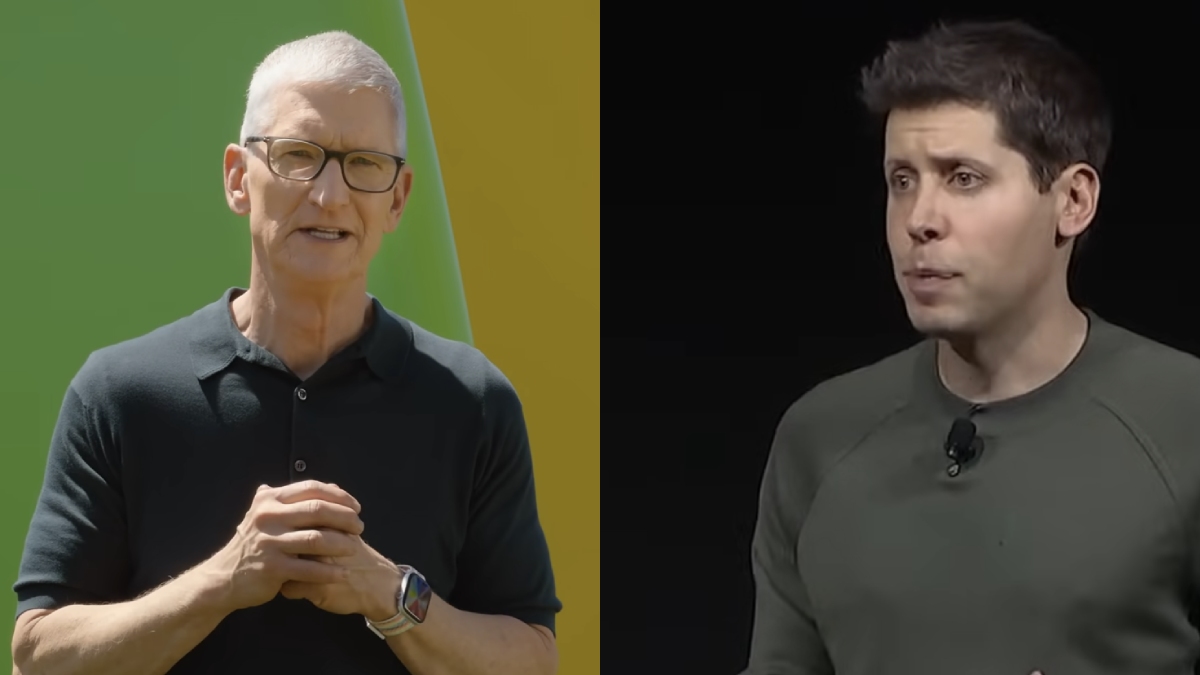
Apple and OpenAI are having a big fight in court.
Apple says some of its workers who left to work at OpenAI took secret information with them.
This secret information was about new Apple products that people don't know about yet.
Apple says at least 11 former workers might have shared this secret information.
Two of those workers used to be very important at Apple, and their names are in the court papers.
Apple has asked a judge to stop OpenAI from using this information.
OpenAI says it doesn't want Apple's secrets and that Apple is wrong.
OpenAI showed messages to prove that Apple's own messy filing system caused the confusion.
A judge will have to decide who is right.

Apple filed a new motion in California federal court claiming at least 11 additional former employees may have transferred confidential hardware data to OpenAI.
The original July 10 complaint accused OpenAI, its hardware arm iO Products, and former employees Tang Yew Tan and Chang Liu of leaking confidential hardware technology.
Apple requested a preliminary injunction and expedited discovery to prevent OpenAI and former staff from using alleged trade secrets while the lawsuit proceeds.
New allegations include a former staffer discussing unannounced products with Liu before an OpenAI interview and another taking screenshots of confidential documents.
OpenAI denied the claims in a blog post titled 'Apple is getting this wrong,' calling the lawsuit 'careless, aggressive and oddly personal.'
- Who
- Apple, OpenAI, and former Apple employees Tang Yew Tan and Chang Liu
- What
- Apple alleges that former employees leaked trade secrets about unannounced AI hardware and consumer devices to OpenAI.
- Where
- California federal court
- When
- The original complaint was filed on July 10; the expanded allegations came in a more recent filing.
- Why
- Apple believes confidential hardware data, including product roadmaps and supplier details, was transferred during recruitment and hiring by OpenAI.
Apple's Position
OpenAI's Position
Validity of the leak allegations
Apple's Position
An internal forensic investigation uncovered evidence that at least 11 former employees may have been involved in or witnessed unauthorized transfer of proprietary material.
OpenAI's Position
Apple's request for a preliminary injunction is based on false information and completely unnecessary because OpenAI does not have, nor want, any of Apple's trade secrets.
Cause of the data disclosures
Apple's Position
Former employees organized covert data theft, including exploiting a software bug, taking screenshots of confidential documents, and meeting before interviews to discuss unannounced products.
OpenAI's Position
The dispute stems from Apple's own disorganized file management and exit procedures; published messages show current Apple staff asking former engineers to help locate internal files.
Manner of the legal action
Apple's Position
A preliminary injunction and expedited discovery are needed to stop OpenAI and former staff from accessing, using, or disclosing alleged trade secrets while the case proceeds.
OpenAI's Position
The lawsuit is a careless, aggressive and oddly personal action that falls short of Apple's reputation as one of the greatest companies of all time.
Key facts
- Court
- California federal court
- Original complaint filed
- July 10
- Named defendants
- OpenAI, iO Products, Tang Yew Tan, Chang Liu
- Additional employees implicated
- At least 11
- Apple's legal request
- Preliminary injunction and expedited discovery
- Accusation against Chang Liu
- Exploited a software bug to breach internal network folders and retained a corporate laptop
- Accusation against Tang Yew Tan
- Used recruitment interviews as 'fishing trips' for product roadmaps and supplier details
- OpenAI's public response
- Blog post titled 'Apple is getting this wrong'
Quotes
OpenAI spokesperson
OpenAI representative addressing Apple's lawsuit
“Apple’s request for a preliminary injunction is both based on false information and completely unnecessary because we do not have, nor want, any of their trade secrets.”
 financialexpress.com
Sources
Related news

Apple Defends Trade Secrets Lawsuit Against OpenAI Dismissal Bid

Apple Alleges OpenAI Employee Used Secret Circuit Design

Apple Accuses OpenAI of Destroying Evidence in Trade Secrets Case
OpenAI Denies Apple's Trade-Secret Claims, Blames Its Procedures
OpenAI Refutes Apple's Trade Secrets Suit, Releases Chats and Emails
Bargarh Woman Becomes District’s First Female Commercial Pilot

Sam Altman Says AI Capabilities and Safeguards Must Advance Together

Sony and Warner Sue Anthropic Over AI Music Training

Mother Bear And Three Cubs Rescued From California Water Tank