2 weeks ago
India's first female actor Durgabai Kamat chose cinema for survival
Long, long ago in India, movies were very new and most people thought acting was a bad job, especially for women.
A filmmaker named Dadasaheb Phalke made early Indian movies but struggled to find women willing to act.
Then he met Durgabai Kamat and her daughter Kamlabai, who performed in plays.
Durgabai's husband was very mean and used to hurt her badly, so she left him and moved with her daughter to a city called Bombay.
She needed money to survive, and acting was the way she could earn a living, even though people said unkind things about her.
She performed in famous plays such as King Lear and Macbeth before acting in a movie called Mohini Bhasmasur.
Her daughter acted in the same film, and Durgabai became India's first female movie actor.
Her family continued acting for many generations.
Her brave choice helped open the door for women in Indian cinema.

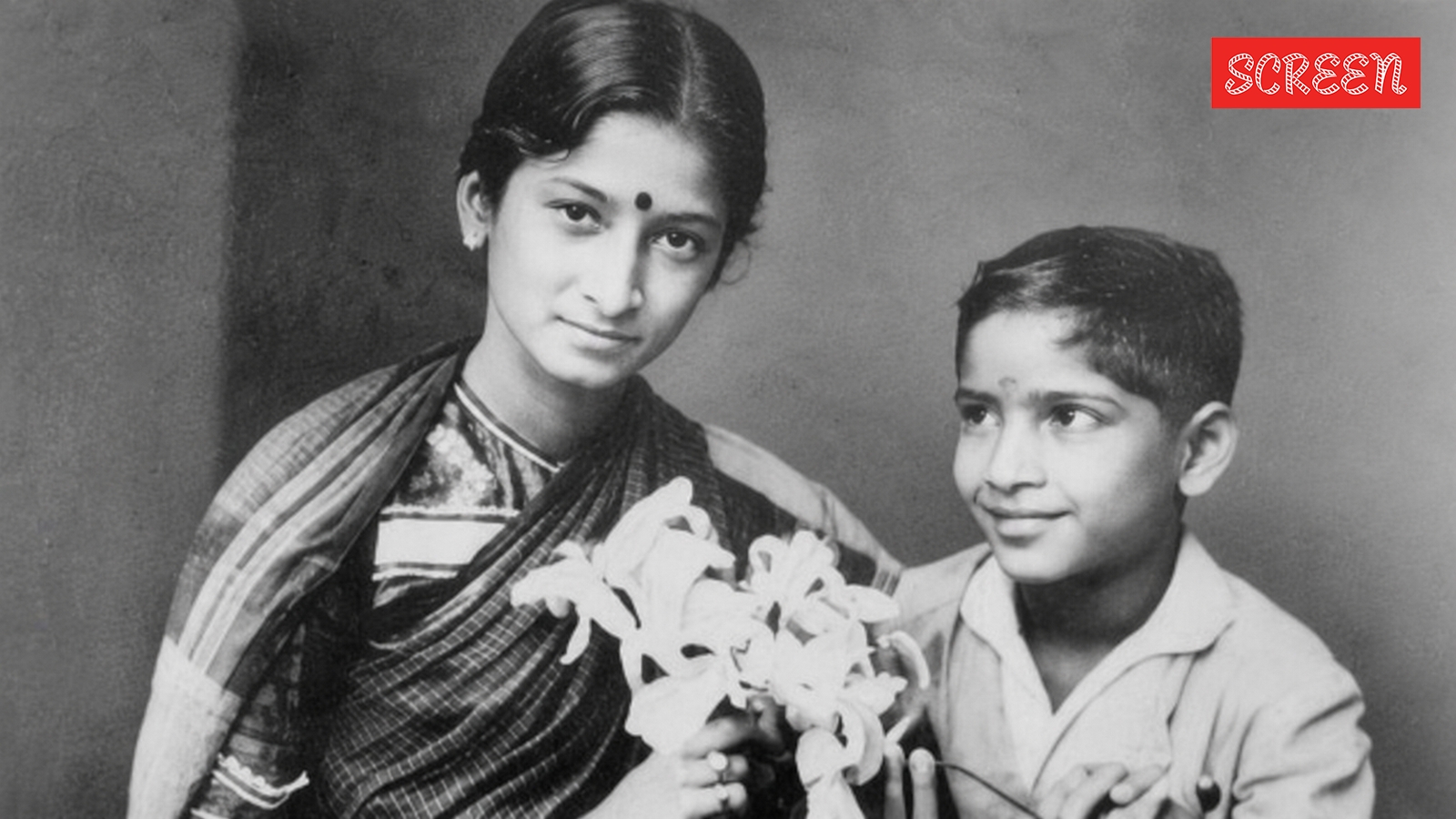
Durgabai Kamat is widely recognized as India's first female film actor, playing Parvati in Dadasaheb Phalke's Mohini Bhasmasur.
She escaped a violent marriage in which her husband beat her, moving with her daughter Kamlabai Gokhale to live at Prarthana Samaj in Bombay.
Kamlabai recalled that acting was a matter of survival: "How else could we have survived?"
Male artistes, including Vinayakrao Kanetkar, threatened to quit when women joined the theatre company, but owner Raghunathrao Gokhale stood by the women.
Her choice launched a multigenerational acting lineage that includes Chandrakant Gokhale, Vikram Gokhale, and Mohan Gokhale.
- Who
- Durgabai Kamat, widely recognized as India's first female film actor, and her daughter Kamlabai Gokhale.
- What
- Durgabai Kamat became India's first female film actor, playing Parvati in Dadasaheb Phalke's Mohini Bhasmasur after escaping a violent marriage and turning to theatre and cinema for survival.
- Where
- Nashik, where her theatre company was based, and Bombay, where she moved with her daughter and lived at Prarthana Samaj.
- When
- Around 1912-13, when Dadasaheb Phalke began work on Mohini Bhasmasur, shortly after his first feature Raja Harishchandra (1913).
- Why
- Survival: she escaped a violent marriage and, as a single mother, chose acting because she believed it was better than the alternatives and the only way she and her daughter could make a living.
Supporters of women entering theatre
Opponents of women in acting
Women in theatre and cinema
Supporters of women entering theatre
Raghunathrao Gokhale stood by the women when male artistes objected, and Dadasaheb Phalke actively sought female actors for his films.
Opponents of women in acting
Society considered acting disreputable for women, and some male artistes, including Vinayakrao Kanetkar, threatened to quit when women joined the company.
Acting as a profession for a single woman
Supporters of women entering theatre
Durgabai saw acting as survival and as an honourable choice, believing it was better to remain connected to culture and art than to become a prostitute.
Opponents of women in acting
Her decision brought criticism and social ostracisation in a society where women working outside the home, particularly in acting, was frowned upon.
Key facts
- Role
- Played Parvati in Mohini Bhasmasur; widely recognized as India's first female film actor
- Film
- Mohini Bhasmasur, directed by Dadasaheb Phalke, completed in approximately six months
- Daughter's role
- Kamlabai Gokhale played Mohini in the same film
- Earlier film
- Raja Harishchandra (1913), in which male actor Anna Salunke played Taramati due to a lack of female actors
- Theatre company
- Chittakarshak Natak Company, owned by Raghunathrao Gokhale
- Reported lifespan
- Some reports say born 1879 and died 1997, but these dates are difficult to independently establish
- Documentary source
- Kamlabai (1992), a documentary by Reena Mohan featuring Kamlabai Gokhale's recollections
- Family legacy
- Kamlabai Gokhale, Chandrakant Gokhale, Vikram Gokhale, and Mohan Gokhale
Quotes
Kamlabai Gokhale
daughter of Durgabai Kamat, interviewee in a documentary
“My mother was a gifted artiste. She had learnt Kathak and also played the veena, sitar and tabla. All this was because of her father.”
 indianexpress.com
“My father wasn’t a good man. He used to beat my mother half to death.”
indianexpress.com
Sources
Related news
Indian Women Before 1947 Were More Than Wives and Mothers
Tajdar Amrohi Recalls First Wife Discovering Meena Kumari Marriage

Unsung Female Heroes of India Who Deserve Their Own Biopics
Five Rituparno Ghosh Films That Challenged Gender and Patriarchy
Vyjayanthimala's Birth Anniversary: Raj Kapoor Rumours and Bollywood Exit