2 weeks ago
Gulzar Wrote Women to Be Understood, Not Liked or Admired
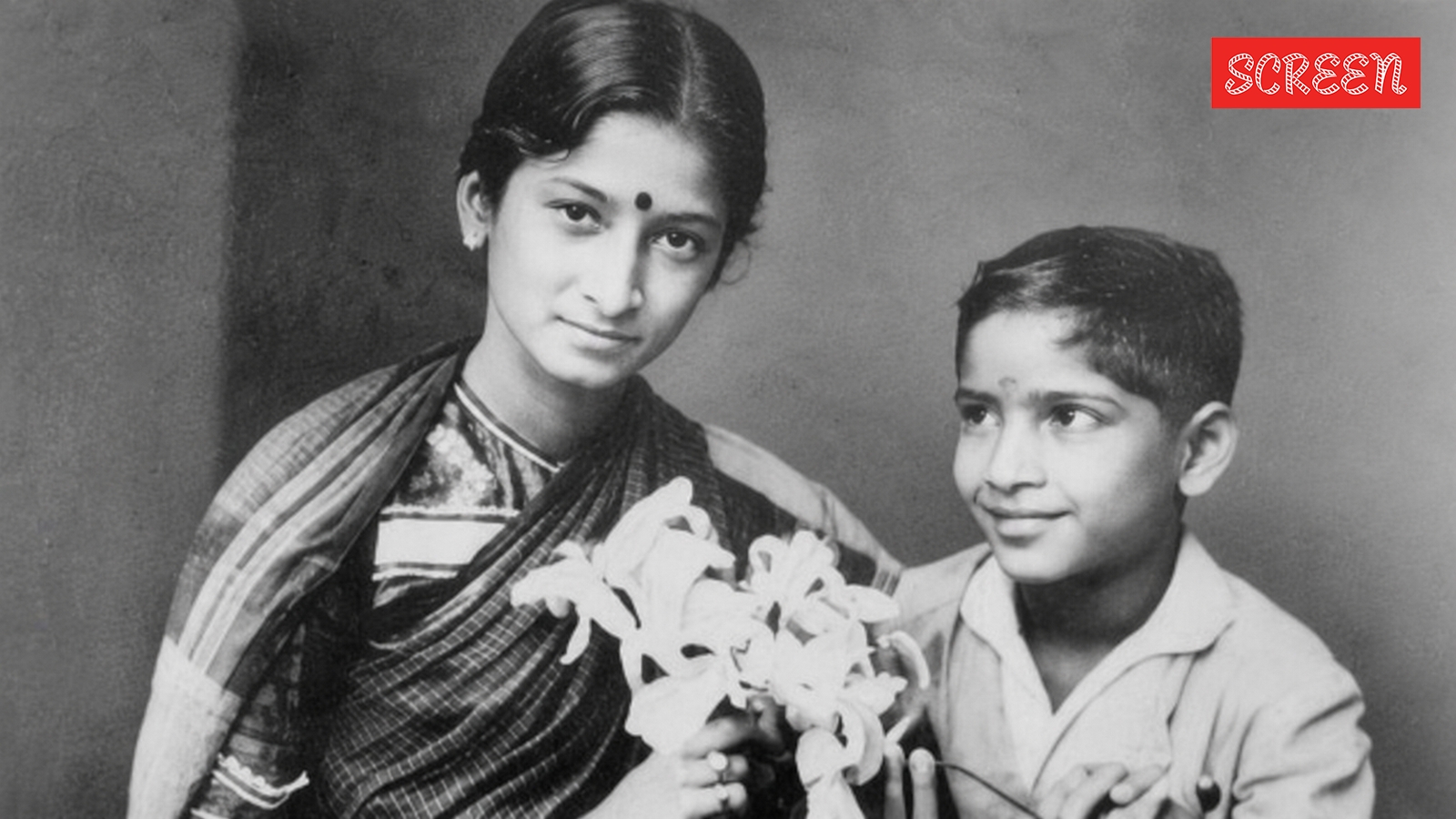
Gulzar is a famous Indian poet and songwriter who also directed movies.
He wrote songs about what women want and feel with great tenderness.
Later, he made films that follow women through their whole lives.
His women characters make their own choices, like choosing work over family.
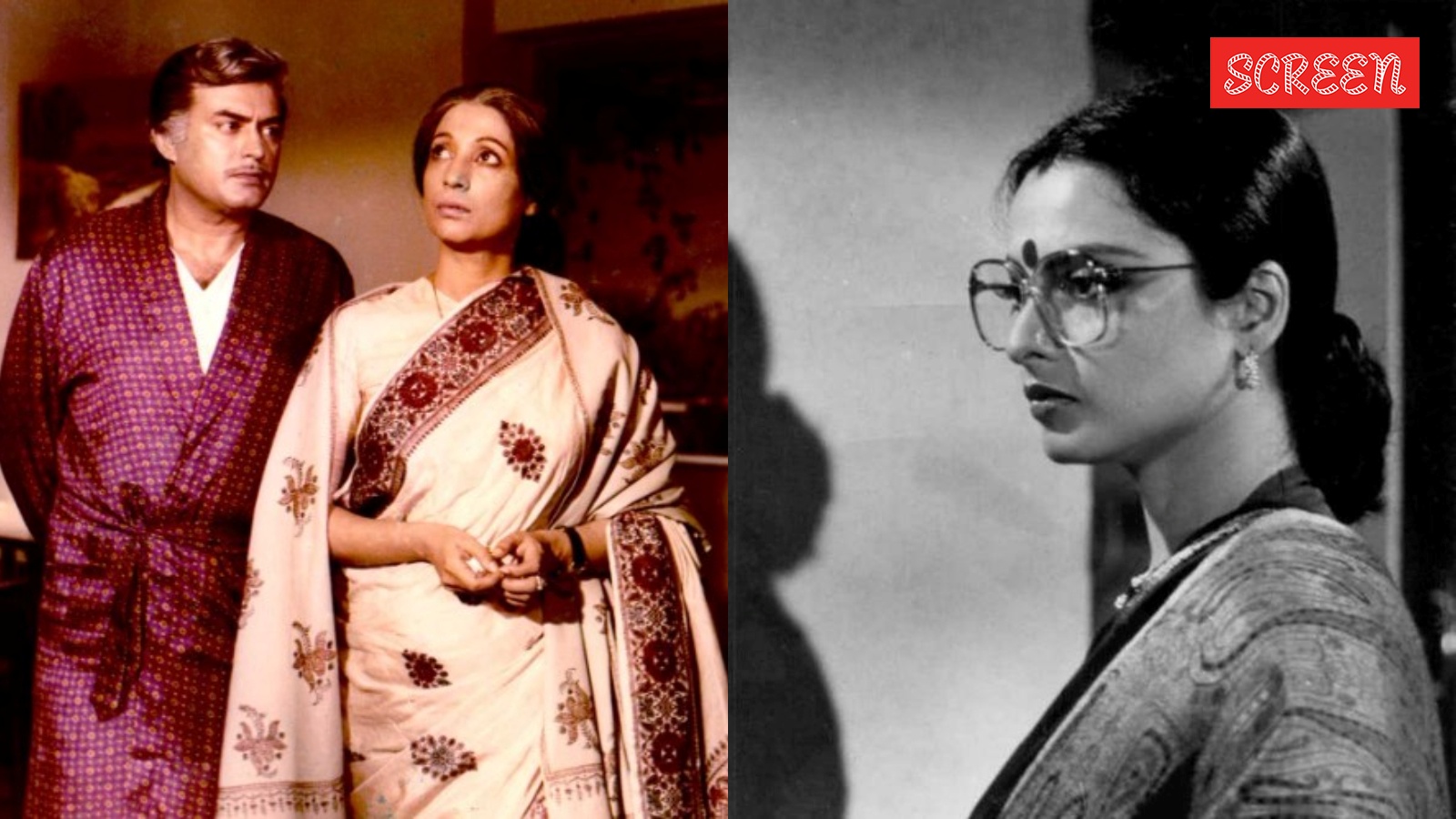
In the film Aandhi, a woman chooses a career in politics on her own.
In Khushboo, a woman says no when the husband who left her comes back.
His women are very different from each other, but the films never say one is wrong.
Some of his women are not perfect, and the films do not judge them.
Gulzar wrote women the way real people are, so we understand them instead of just liking them.

Gulzar, a lyricist and poet before becoming a director, wrote women characters who are flawed, contradictory and occasionally wrong, aiming for understanding rather than admiration.
In Aandhi, Aarti Devi chooses politics on her own and the film never mends her marriage, letting two people who loved each other part without a villain.
Khushboo's Kusum, married off as a child and abandoned, says no when her freed former husband returns — a refusal rooted in pride, not rebellion.
Ijaazat presents Maya, who refuses marriage, and Sudha, the patient wife, as opposite but equally valid, with Sudha's decision to walk away framed as self-preservation.
From Namkeen's sisters to Hu Tu Tu's Chief Minister, Maachis's Veera and the ghost in Lekin, no man rescues Gulzar's women and the films never judge them.
- Who
- Lyricist-turned-filmmaker Gulzar and the female characters he wrote in films such as Aandhi, Khushboo, Ijaazat and Mausam.
- What
- A critical essay on how Gulzar wrote women across his films — ambitious politicians, proud refusers, free spirits and a militant — as complex, flawed people rather than characters meant to be admired.
- Where
- Hindi cinema (Bollywood); some films are set in a remote Himalayan village and in 1980s Punjab, India.
- When
- Not specified in the article; it surveys films including Maachis, which is set in 1980s Punjab.
- Why
- Because Gulzar wrote women the way people actually are — flawed, contradictory and occasionally wrong — so they could be understood rather than simply liked.
Key facts
- Subject
- Gulzar's portrayal of women in his Hindi films
- Films discussed
- Aandhi, Khushboo, Ijaazat, Mausam, Namkeen, Meera, Maachis, Hu Tu Tu, Lekin
- Aandhi protagonist
- Aarti Devi, an ambitious politician who chooses her career
- Khushboo protagonist
- Kusum, who refuses to remarry the husband who abandoned her
- Ijaazat central figures
- Maya, who refuses marriage, and Sudha, the dutiful wife
- Mausam premise
- Kajli, a brothel worker never reduced to her profession
- Hu Tu Tu figure
- Malti Barve, a sitting Chief Minister
- Maachis setting
- Punjab in the 1980s, with the radicalisation arc given to a young woman
Sources
Related news
Five Rituparno Ghosh Films That Challenged Gender and Patriarchy
If We Don't Vocalise Our Truths, Who Will?: Dia Mirza

Dil Chahta Hai: generation-defining film forgot to give women jobs
Gulzar’s Punjabi Heritage Shapes His Poetry and Film Lyrics
Toxic’s Five Women Remain Trapped in Yash’s Story