

1 week ago
How Mark Lawrence Made Badminton Racquet Stringing Essential
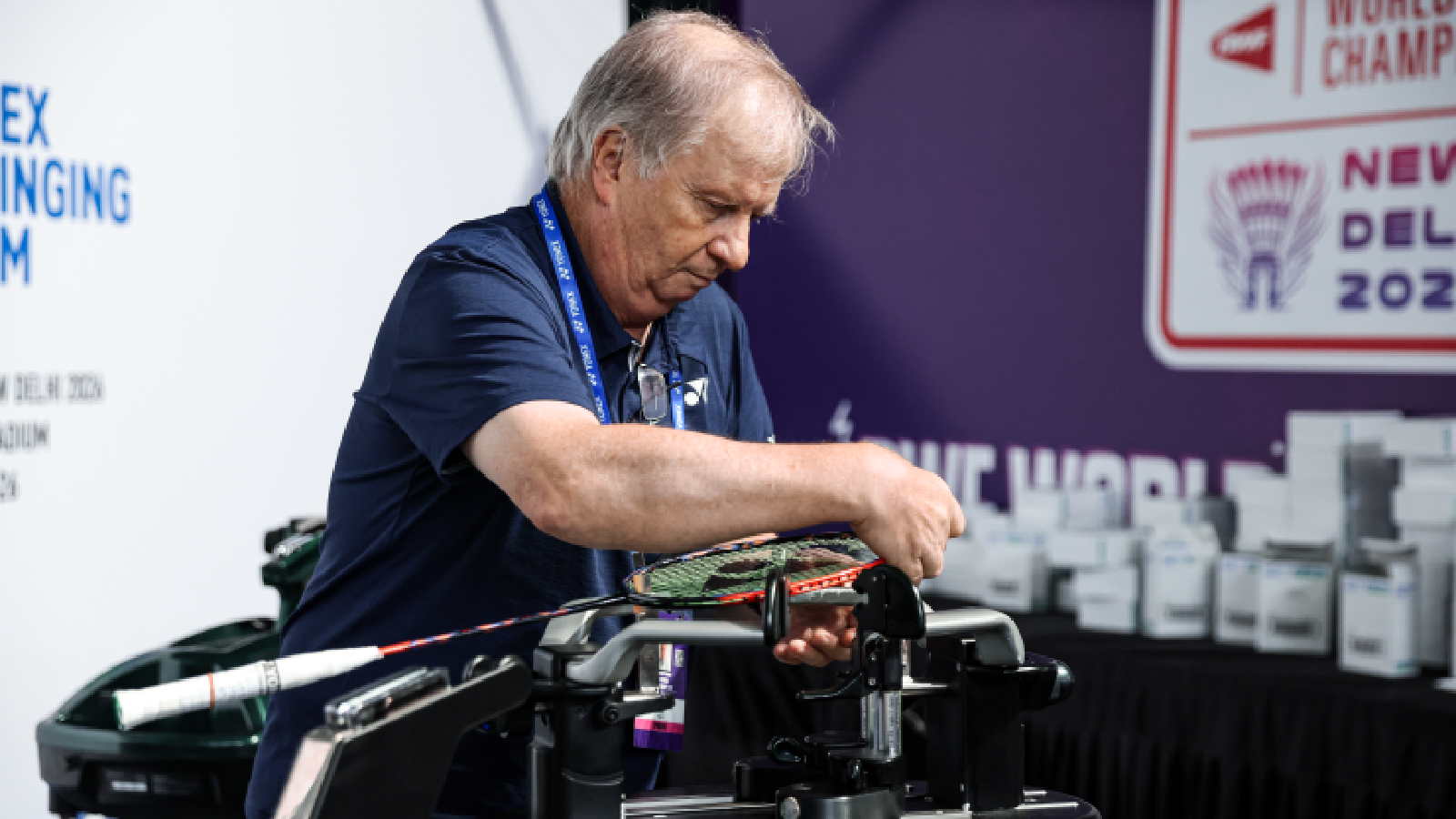
Mark Lawrence fixes and prepares badminton racquets for professional players.
He started doing this work in 1994.
Over time, racquet stringing changed from a small side task into an important service at major tournaments.
Players may need several racquets prepared during a competition.
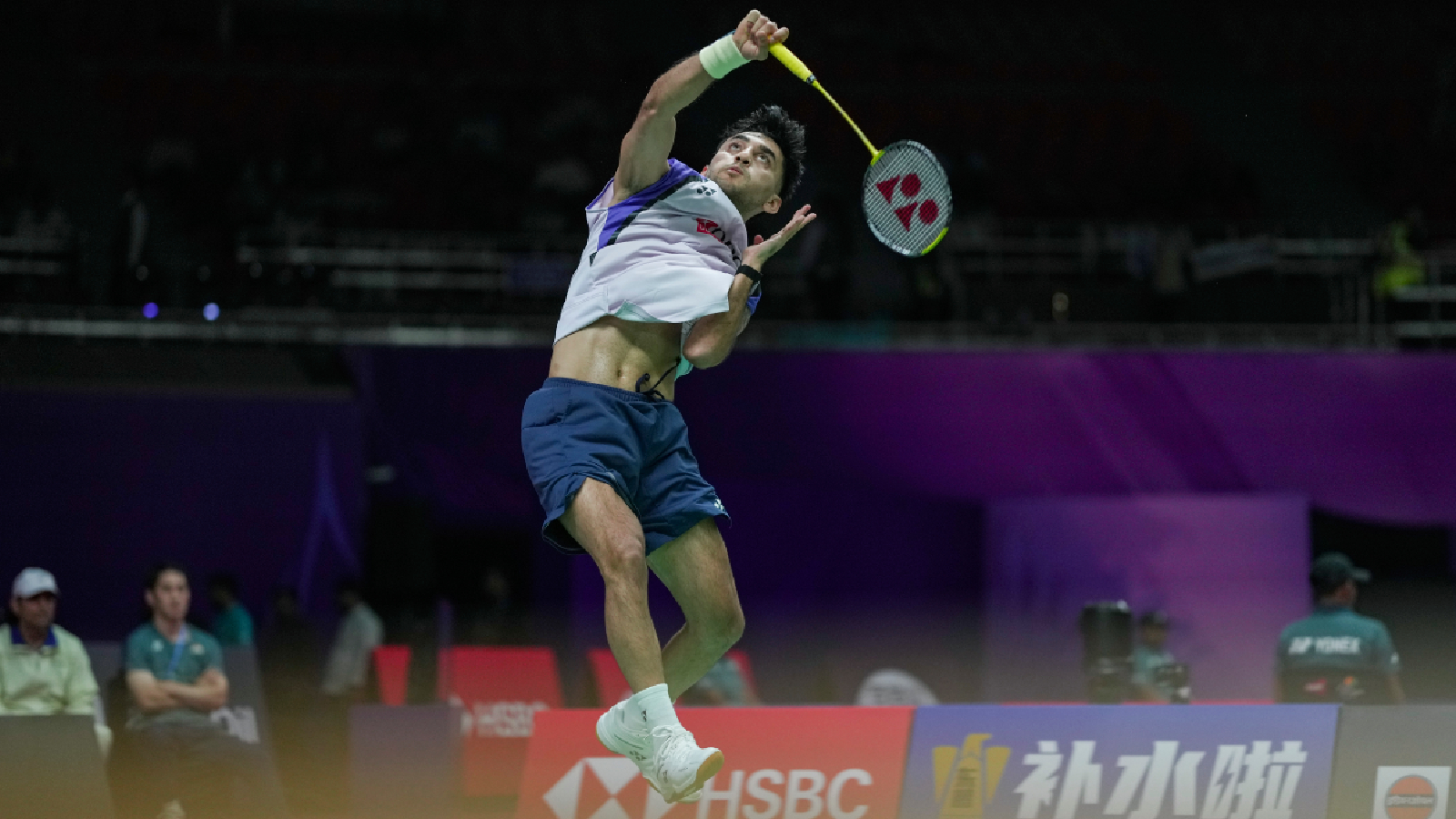
Lakshya Sen’s team sometimes brings five or six racquets after a match.
String tension affects how a racquet feels when a player hits the shuttle.
Tighter strings can give more control, while looser strings can provide more power and a larger sweet spot.
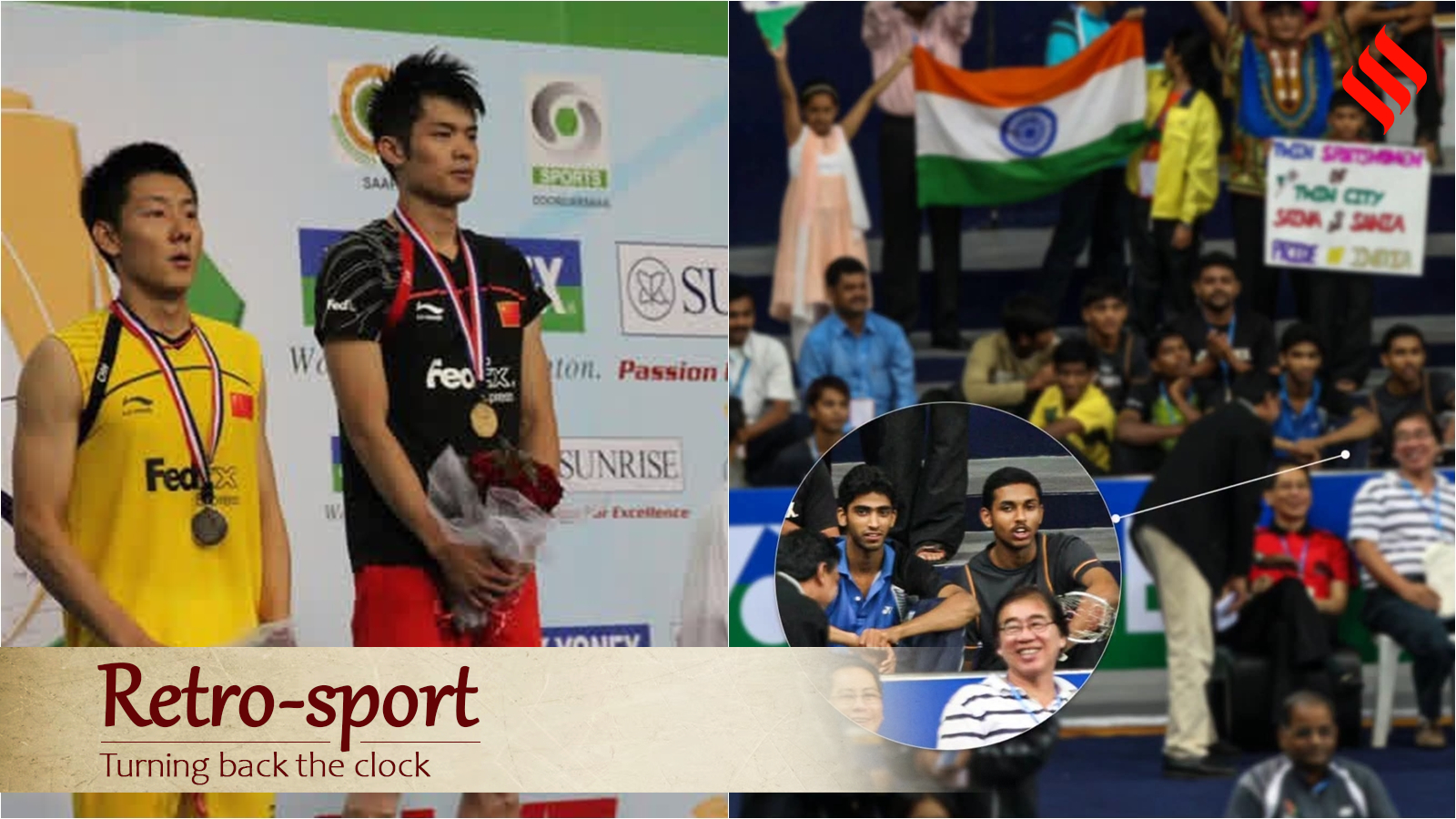
Lawrence has worked with famous players including Lin Dan and Akane Yamaguchi.
At the Delhi World Championships, his team handled almost 500 requests in the first two days.

Mark Lawrence has strung racquets for elite badminton players for more than three decades.
He began stringing professionally in 1994 and joined Yonex’s All England team that year.
Major tournaments now provide dedicated stringing stations, unlike earlier events when stringers worked beside the courts.
Lawrence’s team completed nearly 500 stringings during the first two days of the Delhi World Championships.
Average racquet tension has risen from about 28–29 pounds to above 30, with Kenichi Tago’s exceeding 34 pounds and Akane Yamaguchi’s at 25 pounds.
- Who
- Mark Lawrence, Yonex’s head of stringing, and his team serve professional badminton players, including Lakshya Sen, Lin Dan and others.
- What
- The article describes the evolution of tournament racquet-stringing services and the different string tensions used by elite players.
- Where
- The work takes place at major badminton tournaments, including the All England and the Delhi World Championships.
- When
- Lawrence began in 1994; dedicated tournament stringing spaces began taking shape around 2005 or 2006.
- Why
- Players need racquets repaired and restrung during tournaments, while string tension is adjusted to suit individual playing styles.
Key facts
- Stringing career began
- 1994
- Dedicated spaces emerged
- Around 2005 or 2006
- Delhi World Championships workload
- Nearly 500 stringings during the first two days
- Earlier average tension
- 28–29 pounds
- Current standard tension
- Above 30 pounds
- Highest tension mentioned
- More than 34 pounds for Kenichi Tago
- Lowest tension mentioned
- 25 pounds for Akane Yamaguchi
Quotes
Mark Lawrence
Yonex’s head of stringing
“I started back in 1994 when Yonex wanted to show people what stringing is. I had a shop and used to string racquets for then world No. 1 Morten Frost. Yonex asked me to be part of the stringing team at the 1994 edition of All England, and well, I haven’t stopped since then.”
 indianexpress.com
“When I started, the average tension for a racquet used to be 28 or 29, but now anything above 30 is the standard. The Danish players used to have higher tensions back in the day.”
indianexpress.com
Sources
Related news
Garret Tan Stuns Home Favourite Lakshya Sen at Worlds
Worlds return to India after 17 years, shuttlers stay cautious
Lakshya Sen Leads India's Charge at BWF World Championships
2009 Worlds Racquet Became Indian Superstar Satwiksairaj's First
How Airflow Drift Is Shaping Delhi Badminton Worlds
