

1 week ago
Upper-caste reservation protests challenge BJP ahead of Uttar Pradesh elections
Some people, mainly from upper-caste families, are protesting against India’s caste-based reservation system.
They want government quotas to depend only on how poor a family is, rather than on caste.
They are also asking for changes to some rules and laws connected with reservations.
The protests were organized largely through social media instead of established political parties.
Harsh Dubey, a student from Uttar Pradesh, has helped lead the campaign.
A senior Uttar Pradesh minister invited some protesters for talks, but not everyone accepted Dubey as their leader.
Leaders representing Dalit and OBC communities say reservations are a constitutional right and should remain.
The protests could make it harder for the BJP to balance support among upper-caste, OBC and Dalit voters before the 2027 Uttar Pradesh election.

Upper-caste youths and families held a second anti-reservation march in central Delhi on Sunday.
Protesters want caste-based quotas replaced by economic criteria and seek changes to related laws and policies.
The movement is being mobilized mainly through social media and led partly by NEET aspirant Harsh Dubey.
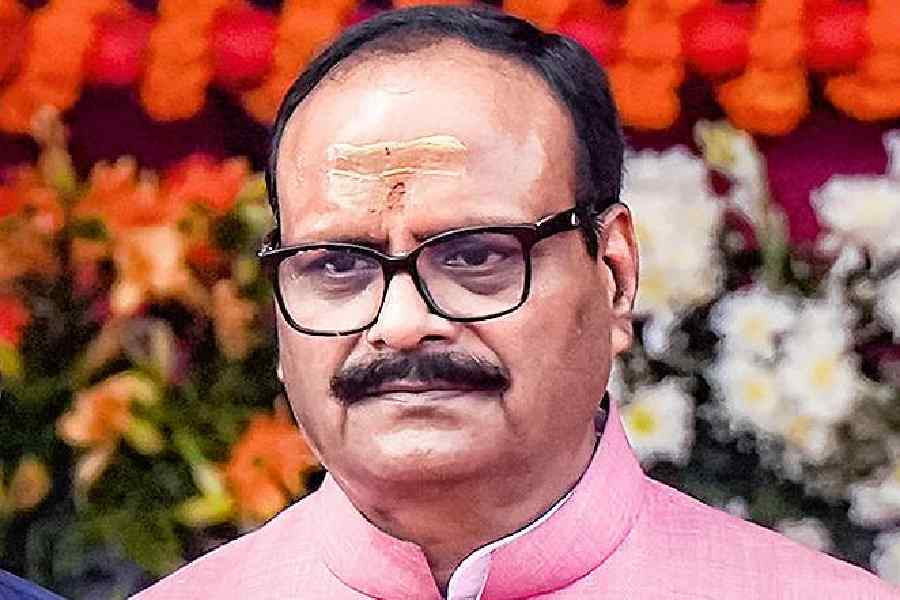
Uttar Pradesh Deputy Chief Minister Brajesh Pathak opened talks, but some protesters rejected Dubey’s leadership and continued the agitation.
Dalit and OBC-based leaders defended reservations, while warning that the protests could create political difficulties for the BJP in Uttar Pradesh.
- Who
- Upper-caste youths, students, families and other protesters, with Harsh Dubey among the campaign’s leaders; political responses have come from BJP, Dalit and OBC leaders.
- What
- Anti-reservation protests are demanding that caste-based quotas be replaced or changed, including through economic criteria and a creamy-layer rule for SC and ST categories.
- Where
- The protests took place in central Delhi, including Connaught Place and near Jantar Mantar, while talks were held in Lucknow.
- When
- A larger protest occurred on Friday, followed by another march on Sunday; the issue is being discussed ahead of the 2027 Uttar Pradesh election.
- Why
- Protesters say reservations disadvantage people from poor upper-caste families, while supporters say reservations are a constitutional right and address caste-based inequality.
Reservation supporters and critics of the agitation
Anti-reservation protesters
Whether reservations should continue
Reservation supporters and critics of the agitation
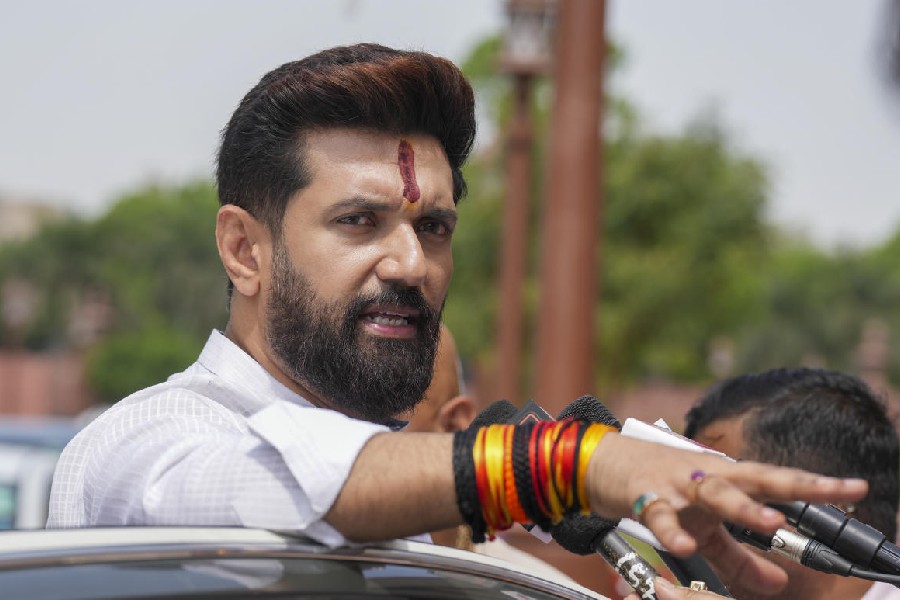
Chirag Paswan, Akhilesh Yadav and other leaders said reservations are a constitutional right and should not be ended or reviewed.
Anti-reservation protesters
Protesters said reservations should be based on economic disadvantage rather than caste and demanded an end to caste-based quotas.
Whether the protests are politically motivated
Reservation supporters and critics of the agitation
Chandrashekhar Azad alleged that the BJP was encouraging the agitation to divide students who had previously united over exam leaks and unemployment.
Anti-reservation protesters
Protesters presented the movement as a campaign for poor families who they believe are disadvantaged by caste-based reservations.
How the government should respond
Reservation supporters and critics of the agitation
The government opened a dialogue, while BJP leaders pointed to the existing 10 percent quota for economically weaker sections among upper castes.
Anti-reservation protesters
Harsh Dubey sought meetings with Prime Minister Narendra Modi or Union Home Minister Amit Shah and called for concrete assurances before ending the agitation.
Key facts
- Main demand
- Replace caste-based reservation with quotas based solely on economic criteria.
- Additional demands
- Withdraw a UGC regulation on caste discrimination against OBCs, repeal the SC/ST Atrocity Act, and review caste-based welfare schemes.
- Backup proposal
- Extend the creamy-layer principle to SC and ST categories if reservations are not abolished.
- Protest locations
- Connaught Place and Jantar Mantar in central Delhi.
- Campaign organizer
- The movement is being led mainly by Uttar Pradesh-based NEET aspirant Harsh Dubey and mobilized through social media pages.
- Government response
- Uttar Pradesh Deputy Chief Minister Brajesh Pathak invited protesters to Lucknow and promised to raise their concerns with Union ministers.
- Political stakes
- The agitation could create tension between the BJP’s upper-caste support base and its OBC and Dalit constituencies before the 2027 Uttar Pradesh election.
Quotes

Brajesh Pathak
Uttar Pradesh deputy chief minister
“The students’ demands and concerns will be placed before the central leadership and, in the next two days, a meeting between the Union minister concerned and the delegation will be arranged.”
 telegraphindia.com
“Reservation will remain.”
telegraphindia.com
A protester
An anti-reservation protester from Ghaziabad
“I am a student from Ghaziabad. So far, no one in my family has been able to get a government job because of reservations. Reservation should only be for poor families and not based on caste.”
telegraphindia.com
Sources
Related news
Chirag Paswan defends caste quotas as upper-caste protests grow
Nadda Meet Exposes BJP’s Reservation Dilemma and Outreach
BJP Walks Caste Tightrope Between Reservation Protesters and Allies
Nadda Engages Anti-Reservation Protesters Amid BJP’s Upper-Caste Dilemma
Will Upper-Caste Discontent After Bihar Loss Hurt BJP in UP?
Anti-Quota Protest Splits Over Delegation’s Talks With Nadda
Tejashwi Urges Bihar NDA Leaders to Seek 75% Reservation
Opposition Praises India’s Nepal Relief, Urges Mission-Mode Action

Misa Bharti Attacks Bihar Government Over Student Protests
