

58 mins ago
Nvidia Chips Become Unusual Leverage in Caucasus Peace Talks

The United States reportedly used computer chips as part of talks to help Armenia and Azerbaijan make peace.
The chips would be used in a large artificial-intelligence data centre in Armenia.
The project is being developed by a startup called Firebird.
It is expected to cost at least $500 million at the beginning and use Nvidia's powerful Blackwell processors.
Armenia's prime minister said he asked Donald Trump to speed up approval for the chip transfers.
A provisional peace agreement was signed at the White House in August.
Supporters could see the chip deal as a relatively inexpensive way to encourage peace.
Critics worry that countries may have to rely on political relationships to obtain advanced computing equipment, and that the facility could use very large amounts of electricity and water.

US negotiators reportedly offered access to Nvidia Blackwell processors for an Armenian AI data centre during Armenia-Azerbaijan peace talks.
A provisional peace agreement was signed at the White House in August.
Armenian startup Firebird received US clearance to export chips for a planned 100-megawatt facility.
The project has an initial investment of $500 million and its first phase was slated for mid-2026.
The data centre could consume electricity and water on a scale that raises environmental and geopolitical concerns.
- Who
- US negotiators, Armenia, Azerbaijan, Armenian Prime Minister Nikol Pashinyan, Nvidia, and the Firebird startup.
- What
- Access to Nvidia Blackwell processors was reportedly used as an incentive during talks that produced a provisional Armenia-Azerbaijan peace agreement.
- Where
- The peace agreement was signed at the White House, and the planned AI data centre is in Armenia.
- When
- The agreement was signed at the White House in August; the facility's first phase was slated for mid-2026.
- Why
- US negotiators reportedly used chip-export approval as diplomatic leverage to encourage a peace agreement.
Diplomatic Opportunity
Strategic and Environmental Risks
Using chip access in diplomacy
Diplomatic Opportunity
Supporters can argue that access to advanced computing was an efficient and relatively inexpensive incentive that helped produce a peace agreement.
Strategic and Environmental Risks
Critics may argue that export licences should not become political favors traded in territorial negotiations, because access to AI infrastructure could depend on geopolitical alignment rather than economic demand.
Dependence on US technology
Diplomatic Opportunity
The project could help Armenia become an important provider of computing infrastructure that other countries need.
Strategic and Environmental Risks
The facility could create dependence on US approval and a specific chip vendor, while an export authorization could be withdrawn if political relations change.
Local costs
Diplomatic Opportunity
A major data centre and its investment could support Armenia's ambition to build strategic technology infrastructure.
Strategic and Environmental Risks
The facility's projected electricity and water consumption could intensify resource pressures in a region where water allocation is already a source of tension.
Key facts
- Agreement
- A provisional peace agreement between Armenia and Azerbaijan was signed at the White House in August.
- Technology
- The planned facility would use Nvidia Blackwell processors and Dell servers.
- Developer
- Armenian AI startup Firebird received US government clearance to export Nvidia chips for the project.
- Facility size
- The data centre is planned as a 100-megawatt facility.
- Investment
- The project has an initial investment of $500 million.
- Timeline
- The first phase was slated to come online in mid-2026.
- Resource demands
- The article estimates that a facility of this size could use roughly the annual electricity of a city of 120,000 people and more than 500,000 gallons of water daily for cooling.
Sources
Related news

Lutnick Says China Ignored Trump Offer for Advanced AI Chips
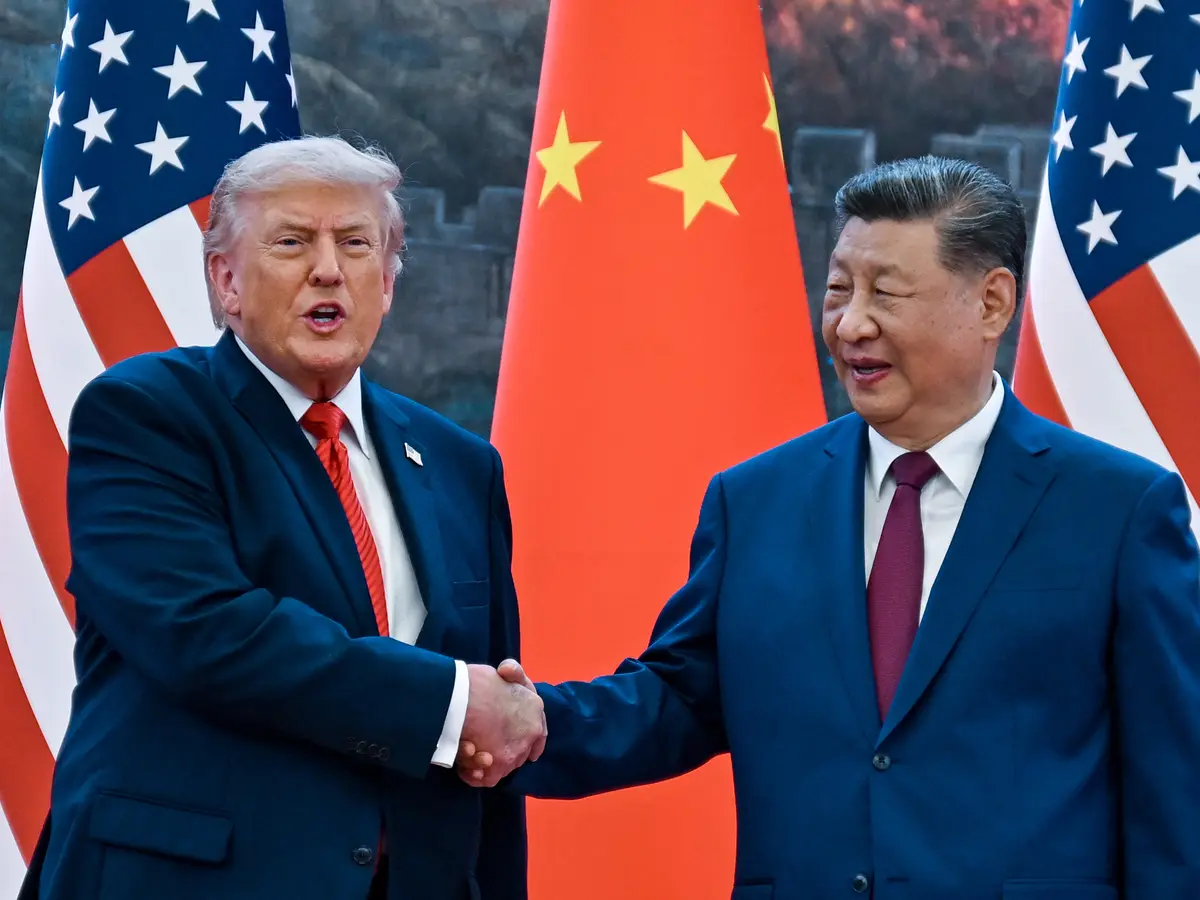
US examines how China rents Nvidia chips it cannot buy
US Moves to Close Cloud Loophole for Banned AI Chips

OpenAI Signs 20-Year 10-Gigawatt Ohio Data Center Lease

Nvidia to Lease Land and Power for AI Factories
PM Modi Concludes Two-Nation Tour After Bishkek SCO Summit
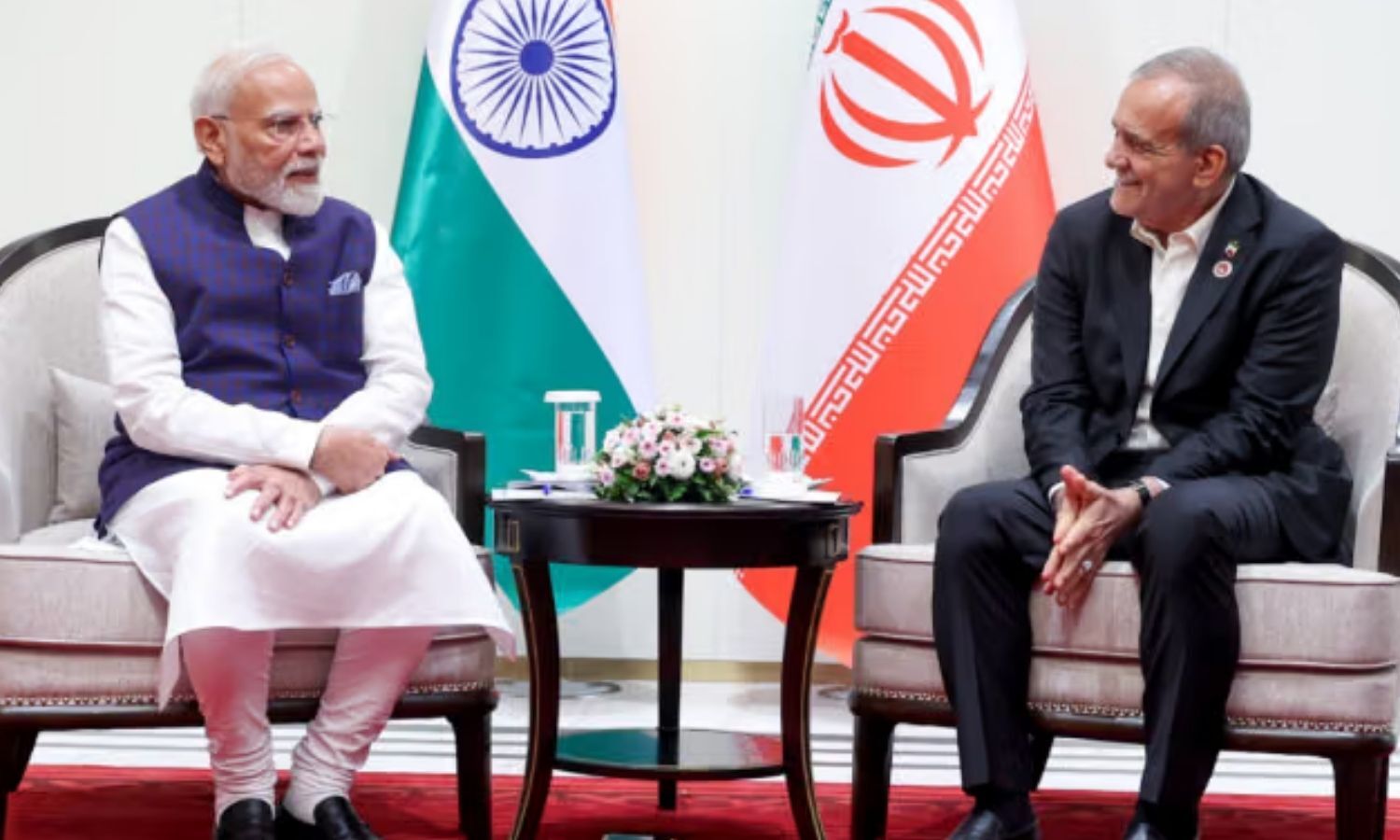
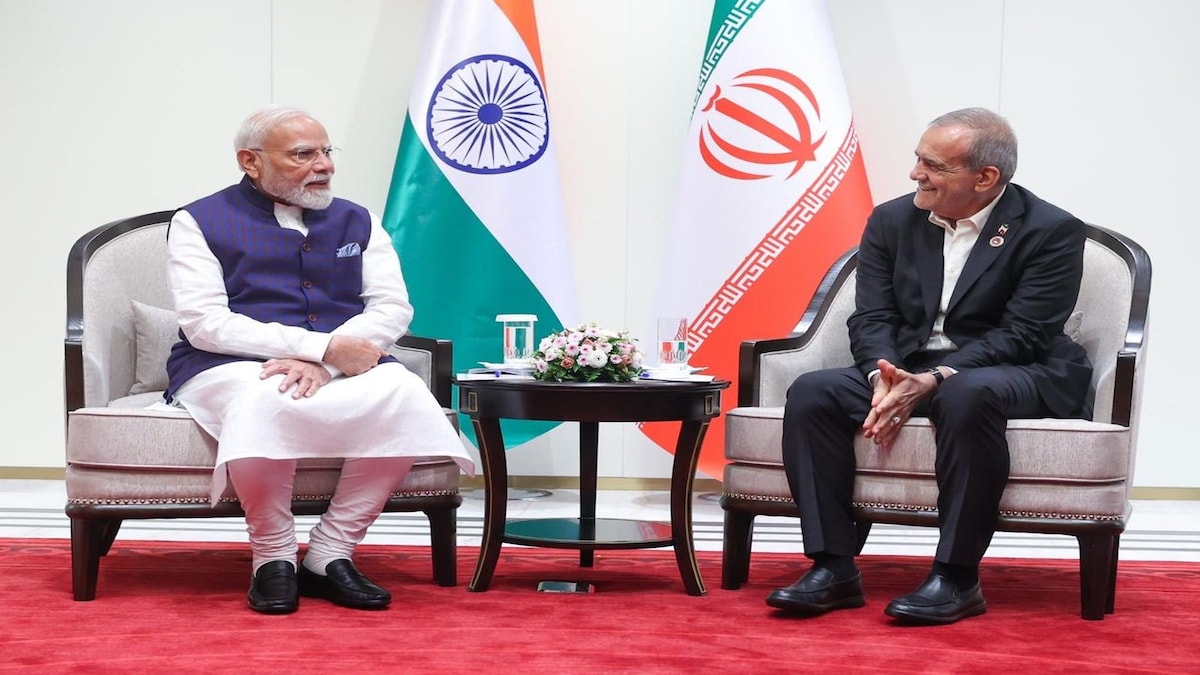
Modi Meets Iran's Pezeshkian on Trade, Peace and Shipping

Modi, Pashinyan Discuss Bilateral Ties During Bishkek SCO Summit
Modi Meets Iranian and Armenian Leaders at Bishkek SCO Summit
