1 hr ago
Meat-Derived Neu5Gc Linked to Higher Type 2 Diabetes Risk
Researchers studied whether a sugar molecule called Neu5Gc might be connected to type 2 diabetes.
Humans do not make this molecule, but it is found in most mammals.
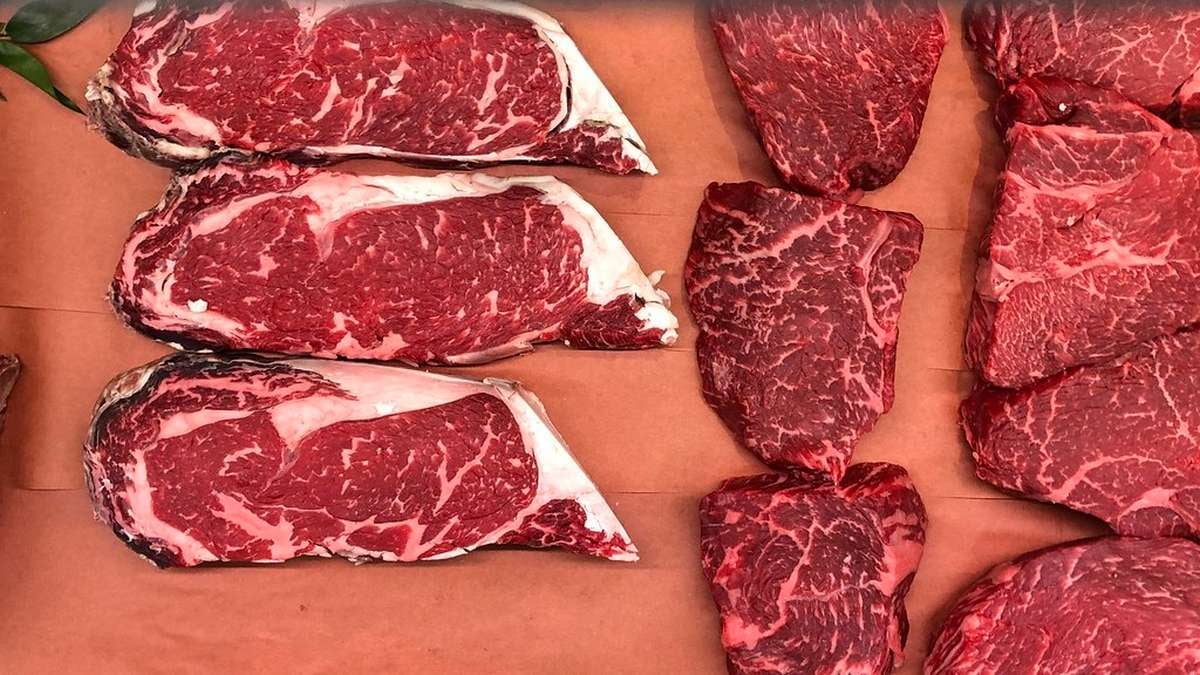
It can enter the human diet through red meat and, in smaller amounts, dairy products.
The study followed nearly 90,000 adults who did not have diabetes at the beginning.
People with the highest intake of Neu5Gc had a higher chance of developing type 2 diabetes than people with the lowest intake.
The difference was still seen after researchers considered factors such as body weight, exercise, smoking, and other foods.
The researchers think long-term inflammation might help explain the connection.
However, this was an observational study, so it cannot prove that Neu5Gc or red meat directly caused diabetes.
The preliminary findings were presented at a diabetes meeting in Milan.

A preliminary observational study linked higher intake of Neu5Gc from red meat with increased type 2 diabetes risk.
Participants in the highest Neu5Gc-intake group had a 63% higher risk than those in the lowest group.
The association remained significant after researchers accounted for BMI, diet, physical activity, smoking, and other health conditions.
The study included 89,953 adults from France’s NutriNet-Santé cohort and identified 966 diabetes cases over 7.2 years.
Researchers said the findings support chronic inflammation as a possible mechanism, but the study does not prove that Neu5Gc causes diabetes.
- Who
- Researchers led by Dr Leopold Fezeu at Université Sorbonne Paris Nord studied 89,953 adults from the NutriNet-Santé cohort.
- What
- The study examined the relationship between dietary Neu5Gc from red meat and the risk of developing type 2 diabetes.
- Where
- The meeting was held in Milan, Italy; the participants came from a French prospective cohort.
- When
- The preliminary results were presented at the European Association for the Study of Diabetes annual meeting, which ran through 2 October.
- Why
- Researchers investigated whether Neu5Gc and related chronic inflammation could help explain the previously observed connection between red meat consumption and type 2 diabetes.
Researchers’ Interpretation
Evidence Caution
Meaning of the association
Researchers’ Interpretation
The researchers said the findings support chronic inflammation as a mechanism linking meat-derived Neu5Gc with type 2 diabetes, partly beyond meat quantity and independently of body fat.
Evidence Caution
Because the study was observational, the association cannot establish that Neu5Gc or red meat directly causes type 2 diabetes.
Strength of the finding
Researchers’ Interpretation
Risk increased substantially at higher Neu5Gc exposure, reaching 63% in the highest intake group after accounting for several diabetes-related factors.
Evidence Caution
The results are preliminary, and the article says researchers do not yet know what Neu5Gc levels trigger an immune response.
Key facts
- Molecule studied
- Dietary N-glycolylneuraminic acid, or Neu5Gc
- Study population
- 89,953 adults; average age 42, with 79% women
- Follow-up
- Median of 7.2 years
- Diabetes cases
- 966 cases of type 2 diabetes
- Highest-risk group
- 63% higher type 2 diabetes risk than the lowest-intake group
- Second-highest group
- 41% higher risk than the lowest-intake group
- Foods assessed
- Red meat, processed meat, and dairy products
- Study limitation
- The observational design shows an association, not proof of causation
Quotes
Dr Leopold Fezeu
Lead author of the European Association for the Study of Diabetes study and researcher at Université Sorbonne Paris Nord
“Our findings support chronic inflammation as a specific mechanism linking red meat consumption with T2D, partly beyond the amount of red meat a person eats and partly independent of body fat, although we do not know exactly what levels of Neu5Gc trigger an immune response, our data suggest that higher intakes of meat-derived Neu5Gc are associated with a progressively higher risk of T2D.”
 theprint.in
Sources
Related news

Study Links Ultra-Processed Foods to Major Health Risks

Study Finds Type 2 Diabetes Affects Men and Women Differently

Diabetes Care Must Address Different Risks in Men and Women

Novo Defends Semaglutide as Regulators Flag Rare Vision Risk

AIIMS Study Links Metabolic Health to Fat Around Kidneys