1 hr ago
Curiosity and Evidence Drive Scientific Discovery, Scholar Says
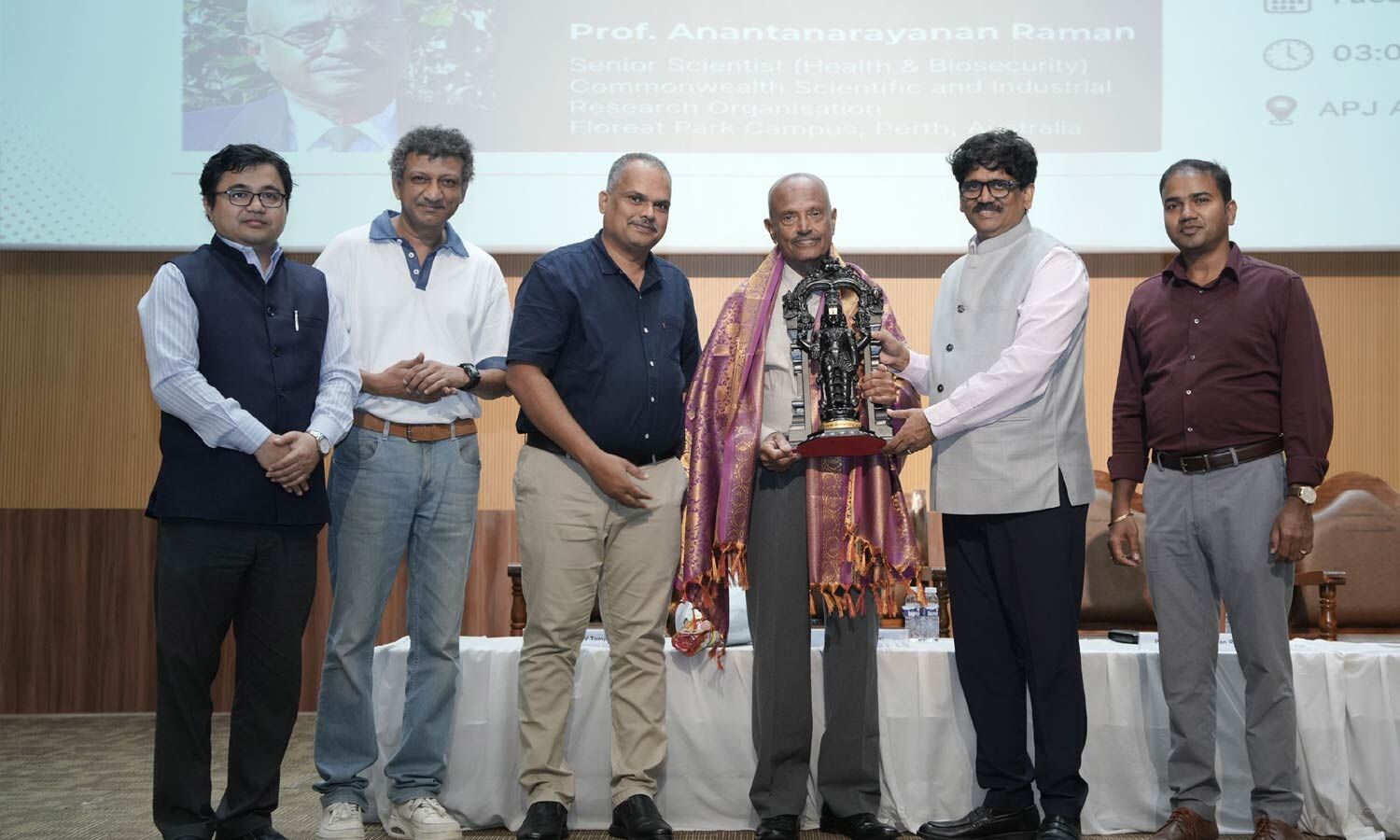
Prof Anantanarayanan Raman spoke to students about how science works.
He said curiosity is an important starting point for discoveries.
Scientists then ask questions and observe what happens.
They use logic and evidence to test their ideas.
They also need to be willing to change their minds when new evidence appears.
Raman said this process helps turn curiosity into reliable knowledge.
He gave the lecture at SRM University-AP in Amaravati.
University leaders said such talks let students learn directly from experienced scholars.

Prof Anantanarayanan Raman delivered SRM University-AP’s 26th University Distinguished Lecture.
The lecture, held in Amaravati on Tuesday, focused on scientific inquiry and discovery.
Raman said curiosity, rationality, reasoning and evidence underpin meaningful scientific research.
He explained that systematic observation, questioning, reasoning and evidence transform curiosity into knowledge.
University officials said the lecture series helps students and researchers learn from eminent scholars.
- Who
- Prof Anantanarayanan Raman, a senior scientist and academician at the Commonwealth Scientific and Industrial Research Organisation, delivered the lecture.
- What
- He delivered the 26th University Distinguished Lecture on “From Curiosity to Discovery — The Power of Scientific Inquiry.”
- Where
- SRM University-AP in Amaravati.
- When
- The lecture took place on Tuesday.
- Why
- The lecture explained how curiosity, systematic inquiry, reasoning and evidence support scientific discovery.
Key facts
- Speaker
- Prof Anantanarayanan Raman
- Affiliation
- Commonwealth Scientific and Industrial Research Organisation, Perth, Australia
- Event
- 26th University Distinguished Lecture
- Lecture theme
- From Curiosity to Discovery — The Power of Scientific Inquiry
- Location
- SRM University-AP, Amaravati
- Core principles
- Curiosity, rationality, reasoning and evidence
Sources
Related news
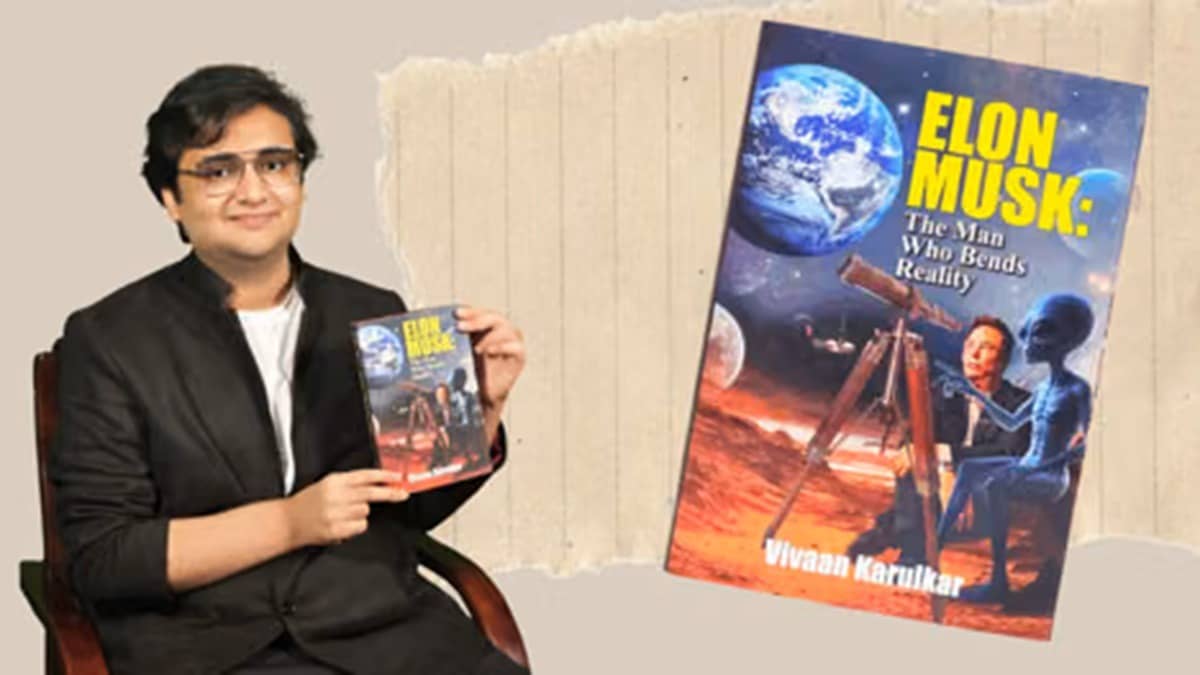
Vivaan Karulkar Connects Ancient Knowledge, Science And Modern Innovation

J&K L-G Urges Gurukul to Balance Values, Science and AI
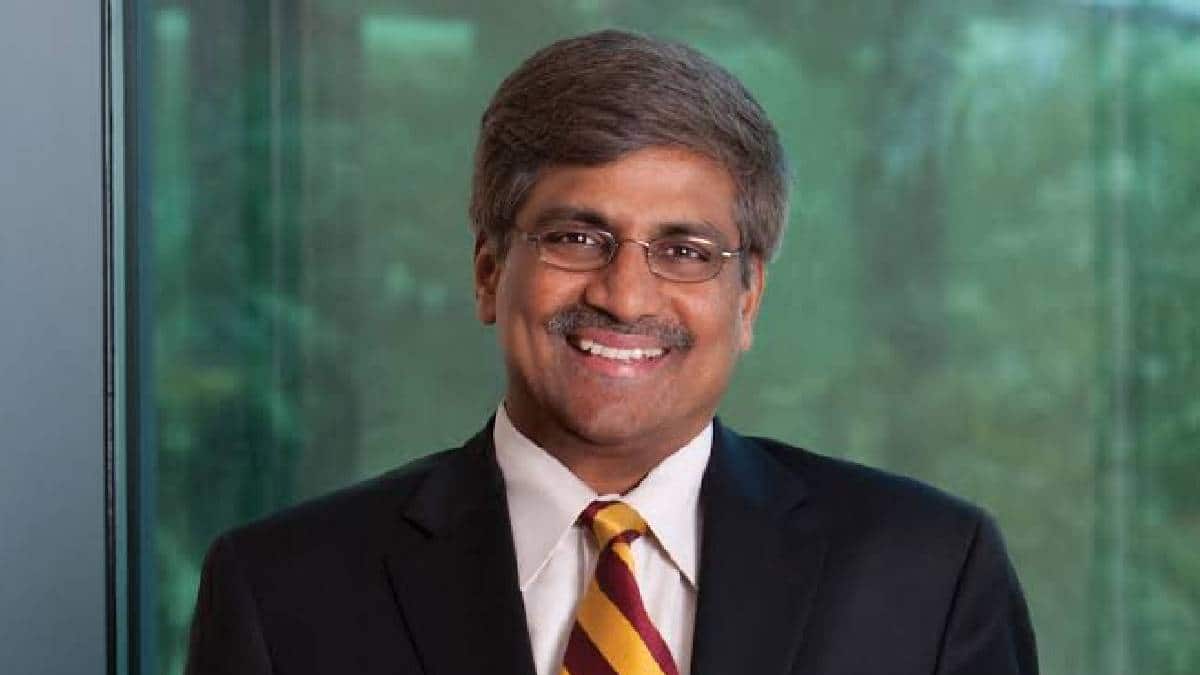
Sethuraman Panchanathan Wins 2026 Arthur M. Bueche Award
SRM AP Launches UNITES Society for Sustainable Solutions
Devdutt Pattanaik Urges Schools to Prioritise Understanding and Curiosity
10-Year-Old Founders Showcase Curiosity Venture at IIT Delhi

ICC Plans More T20Is, Fewer ODIs for 2027–2031 Cycle
India's Tarang Shakti 2026 to Bring Together Global Air Forces

India Showcases Rafale, Tejas, Su-30 in Tarang Shakti

Australia Tightens Student Visa Rules Without Closing Study Route