1 week ago
Rahul Gandhi’s Manusmriti Speech Draws Criticism Over Selective Scripture
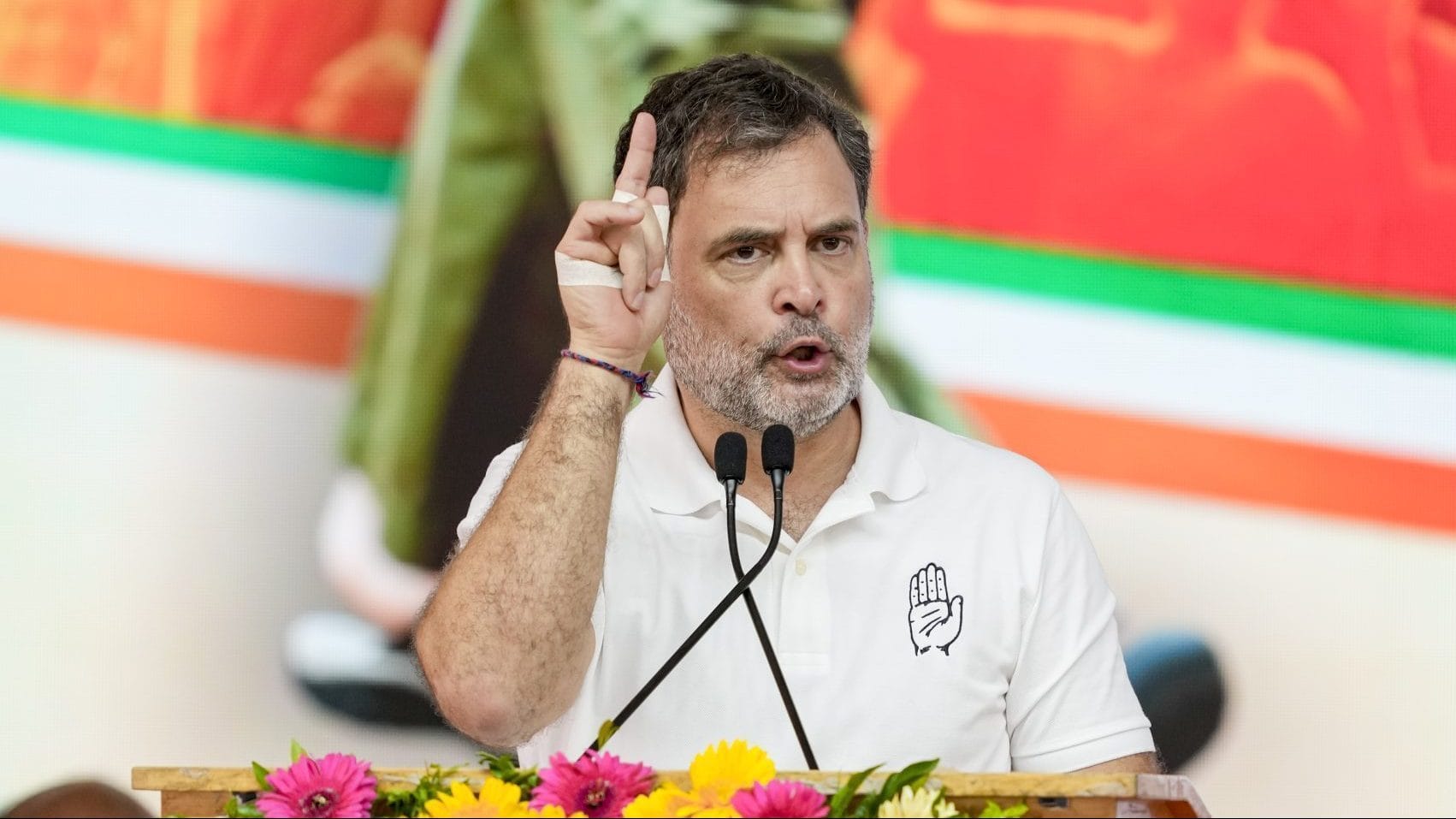
Rahul Gandhi spoke about women fighting patriarchy, or unfair systems that give men more power than women.
He used a passage from the Manusmriti to make his point.
The passage says women should be guided by their fathers, husbands, and sons at different stages of life.
The author says Rahul chose this example unfairly because it singled out Hindu tradition.
The author also says many religious texts were written by men and may reflect older social arrangements.
According to the article, patriarchy probably existed in society before religious texts recorded or supported it.
The article explains that Hindus do not generally treat Manusmriti as an unchangeable or perfectly authoritative text.
It concludes that opposing patriarchy should not mean blaming one religion or community alone.

Rahul Gandhi cited Manusmriti verse 9(3) while discussing women challenging patriarchy at a Pune event.
The article argues that focusing on Manusmriti selectively targets Hindus and functions as a political dog whistle.
It says religious scriptures generally codified or reinforced social practices rather than originating patriarchy independently.
The author argues that Manusmriti is a human, non-infallible text that modern Hindus can reinterpret or disregard.
The article contends that criticizing one Hindu text overlooks patriarchy across societies and does little to advance gender equality.
- Who
- Rahul Gandhi, whose speech is criticized by R. Jagannathan, the article’s author.
- What
- Gandhi cited Manusmriti verse 9(3) while discussing women and patriarchy.
- Where
- Pune, India.
- When
- At a party-organized Chhatron ki Goonj event described as taking place recently; no specific date is provided.
- Why
- Gandhi used the verse to discuss women fighting patriarchy; the author says the selective citation unfairly targeted Hindus.
Rahul Gandhi’s Stated Argument
The Article’s Criticism
Using Manusmriti to discuss patriarchy
Rahul Gandhi’s Stated Argument
Gandhi cited a Manusmriti passage to illustrate restrictions placed on women and support discussion of women challenging patriarchy.
The Article’s Criticism
The author argues that selecting only Manusmriti unfairly places Hindus on the defensive and ignores similar patriarchal elements in other religious texts.
Responsibility for patriarchy
Rahul Gandhi’s Stated Argument
The speech is presented as connecting a religious text with the reinforcement of patriarchal attitudes.
The Article’s Criticism
The author argues that patriarchy likely developed through older social divisions of labor and that scriptures mainly codified or reinforced existing structures.
Meaning of Manusmriti today
Rahul Gandhi’s Stated Argument
The cited verse is treated as relevant evidence in a contemporary discussion about gender inequality.
The Article’s Criticism
The author says Manusmriti is a human, non-infallible text that modern Hindus can reinterpret or partially disregard.
Key facts
- Speaker criticized
- Rahul Gandhi
- Text cited
- Manusmriti
- Passage cited
- Verse 9(3), concerning women’s authority relationships across childhood, adulthood, and old age
- Event
- Chhatron ki Goonj
- Location
- Pune
- Author
- R. Jagannathan, identified as an editor and former editorial director at Swarajya
- Central criticism
- The article says Gandhi selectively targeted Manusmriti and Hindu tradition while discussing patriarchy.
Quotes

Mahatma Gandhi
Indian independence leader quoted criticizing Katherine Mayo’s book Mother India
“a female must be subject to her father’s rule in childhood, in youth to her husband’s, and in old age to her sons”
 theprint.in
“a drain inspector’s report”
theprint.in
Sources
Related news

Rahul Gandhi’s Manusmriti Remarks Trigger BJP Patriarchy Debate

Swami Challenges Rahul Gandhi’s Manusmriti Remarks Over Women’s Rights
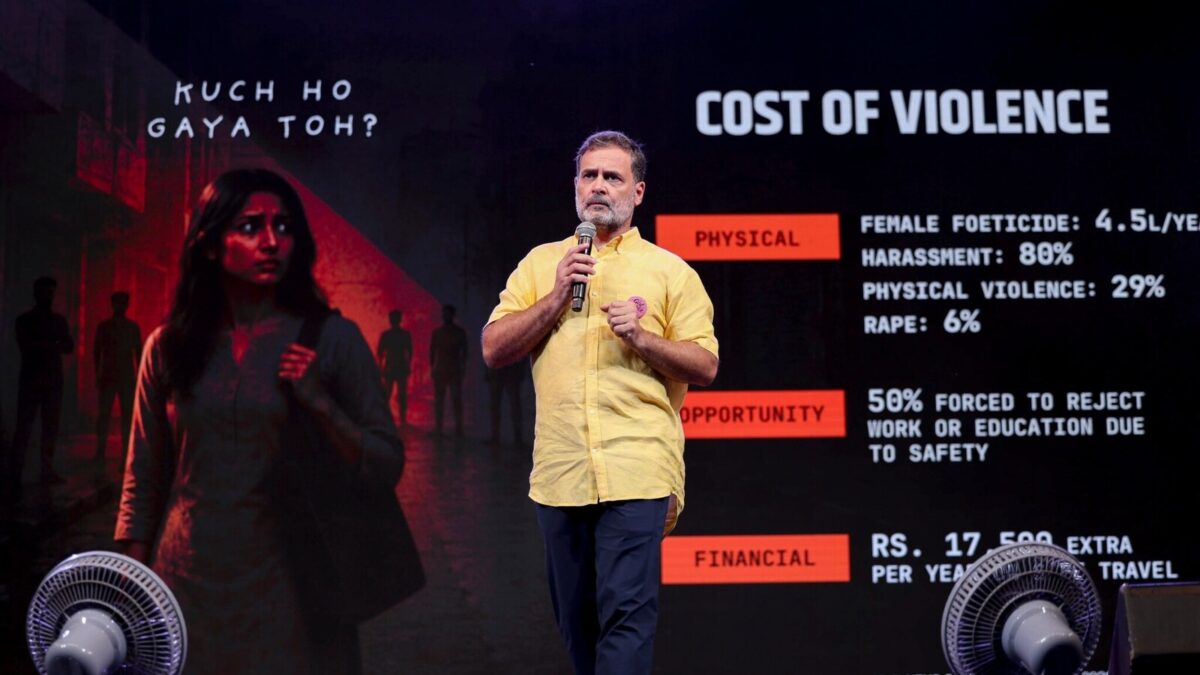
Rahul Gandhi Urges Women to Break Social Cages

Rahul Gandhi’s ‘Break the Cage’ Call Draws BJP Criticism
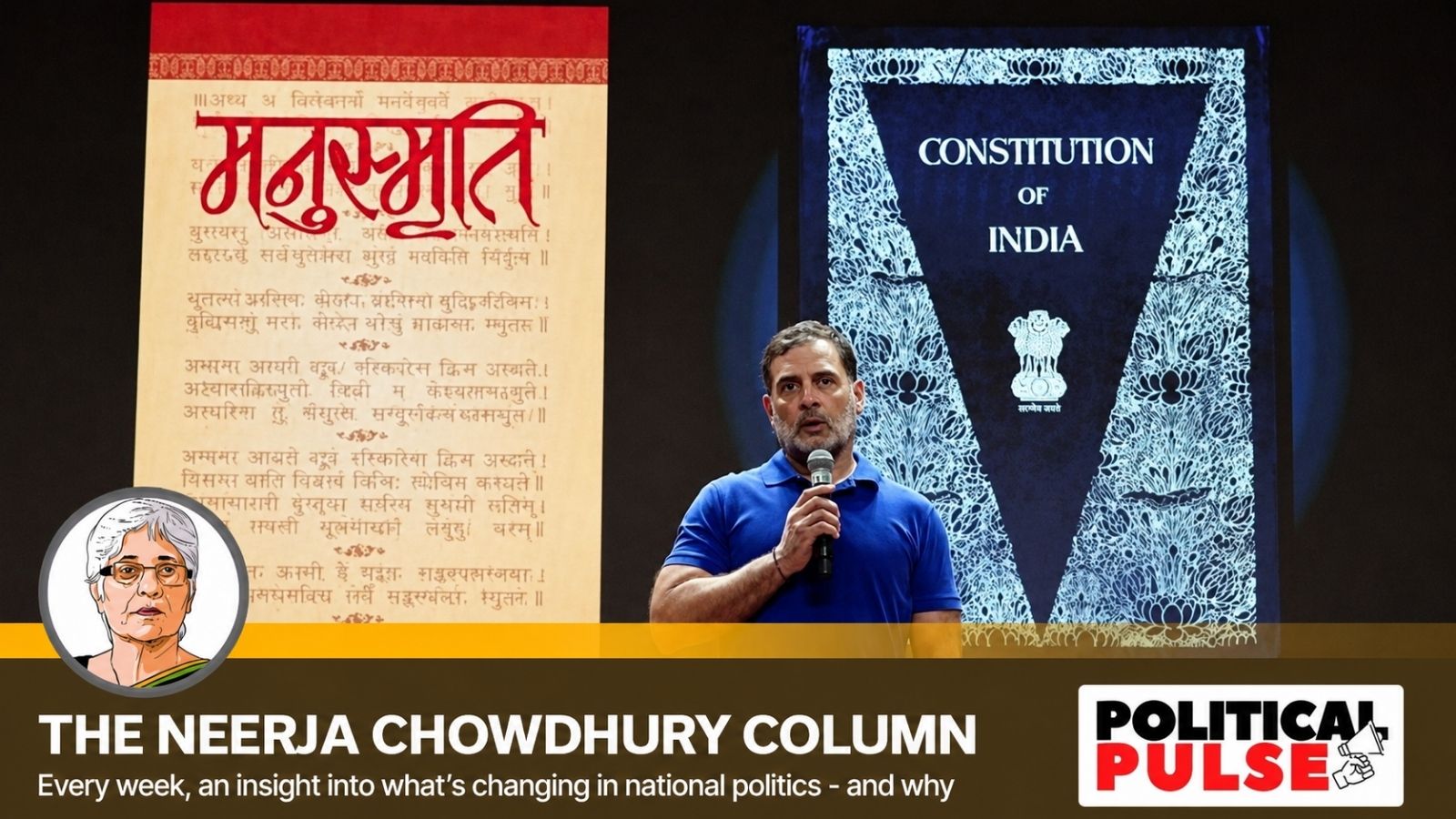
Rahul Gandhi Builds Caste, Gender Pitch Ahead of 2027 Elections

Former Twitter Staffer Launches Twitter.now Against Elon Musk’s X

Late-Night DM Helped JEE Aspirant Reach ₹1 Crore by 22

Divine revives Vine’s six-second loops with open social platform

Vine-Inspired Divine Video App Opens To Public In 2026