11 hrs ago
Scorching Heat Leaves Thane’s Urban Birds Facing Water Crisis
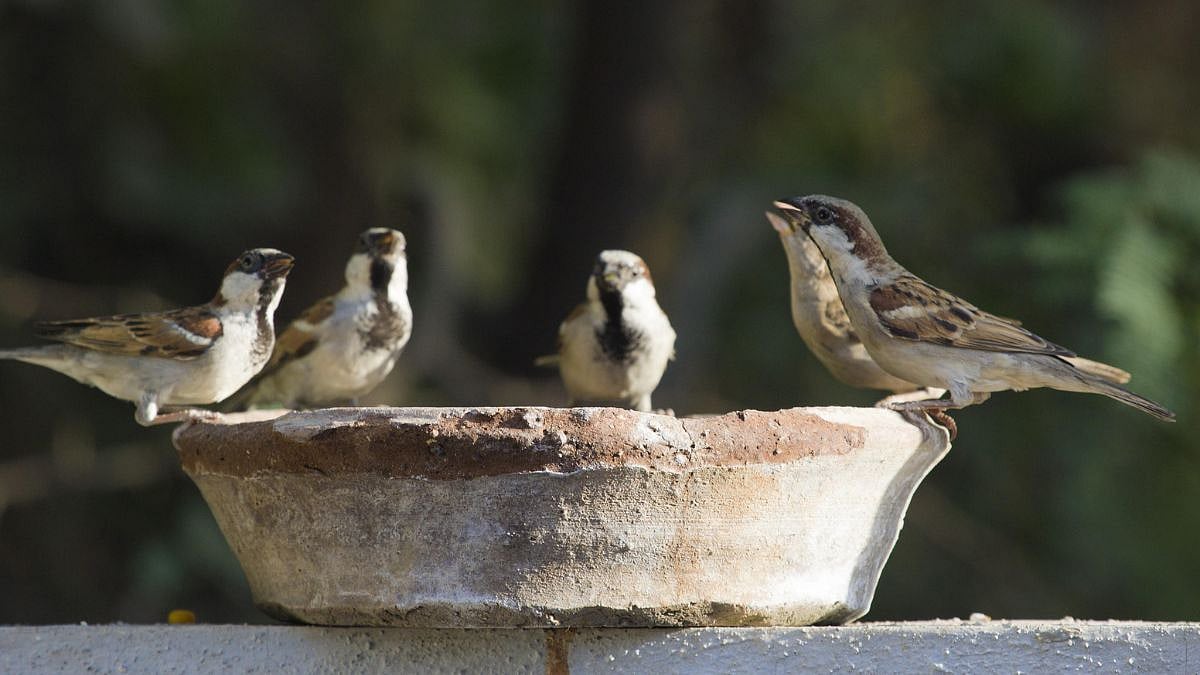
Thane is very hot, and it stays warm even at night.
Birds need water and shade to cope with the heat.
As the city grows, some green spaces and natural places where birds find water are disappearing.
Environmentalist Dr. Prashant Sinkar says people should put shallow bowls of water in safe, shady places.
He also says the city should plan for trees, shade and water as it develops.
Conservationists want the Thane Municipal Corporation to set up and maintain bird water stations.
Protecting lakes, creeks and old trees can also help birds.
Residents and civic authorities are being asked to work together.

Daytime temperatures in Thane are hovering between 36°C and 37°C, while nighttime temperatures remain around 30°C to 31°C.
Urbanization and shrinking green spaces have reduced natural water sources and shelter for birds.
Environmentalist Dr. Prashant Sinkar says providing water for birds in summer is a necessity.
Sinkar urges residents, schools, offices, parks and housing societies to place shallow water bowls in shaded, safe locations.
Conservationists call on the Thane Municipal Corporation to maintain bird water stations and protect natural water bodies and trees.
- Who
- Thane’s urban birds, residents, conservationists and the Thane Municipal Corporation.
- What
- A call to provide water and protect shade and habitat for birds facing heat stress.
- Where
- Thane, Maharashtra.
- When
- During the summer heat, with daytime temperatures of 36°C–37°C and nighttime temperatures of 30°C–31°C.
- Why
- High temperatures and urban development have made natural water sources and shelter harder for birds to find.
Development pressures
Wildlife protection needs
Urban growth and bird habitat
Development pressures
Rapid urbanization, concrete construction and shrinking open green spaces are restricting natural water sources and shelter.
Wildlife protection needs
Environmentalists say development should include water, shade and trees, while natural water bodies and nesting sites are protected.
Who should respond to the water crisis?
Development pressures
Residents, housing societies, schools, offices and parks can provide water bowls in safe, shaded places.
Wildlife protection needs
Conservationists also call for municipal action, including maintained bird water stations across every ward.
Key facts
- Daytime temperature
- 36°C to 37°C
- Nighttime temperature
- 30°C to 31°C
- Environmental advocate
- Dr. Prashant Sinkar
- Suggested household action
- Place shallow or earthenware water bowls in safe, shaded spots.
- Municipal recommendation
- Establish and regularly maintain bird water stations in every ward.
- Habitat priorities
- Protect lakes, stormwater channels, creeks, old-growth trees and natural nesting sites.
Quotes
Dr. Prashant Sinkar
Environmentalist in Thane
“In rising temperatures, providing water for birds is not a luxury; it is a necessity. Alongside urban development, we must plan for water, shade, and trees for birds. Only then can Thane's development truly be called environmentally friendly.”
 freepressjournal.in
Sources
Related news
Thane Water Crisis Worsens Amid Delayed Projects and High-Rise Approvals
Navi Mumbai Citizens Plan Human Chain to Protect Green Spaces
Maharashtra Plans Water Cuts as Mayor Urges Conservation
Satara-Deolai Residents Protest as Wells and Borewells Run Dry
Thunderstorm Batters Thane Areas, Damaging Trees, Vehicles and Power Lines

Sanpada Ozone Day Human Chain Postponed Over Permission Requirements
Thane Marks World Alzheimer’s Day With Awareness Programme
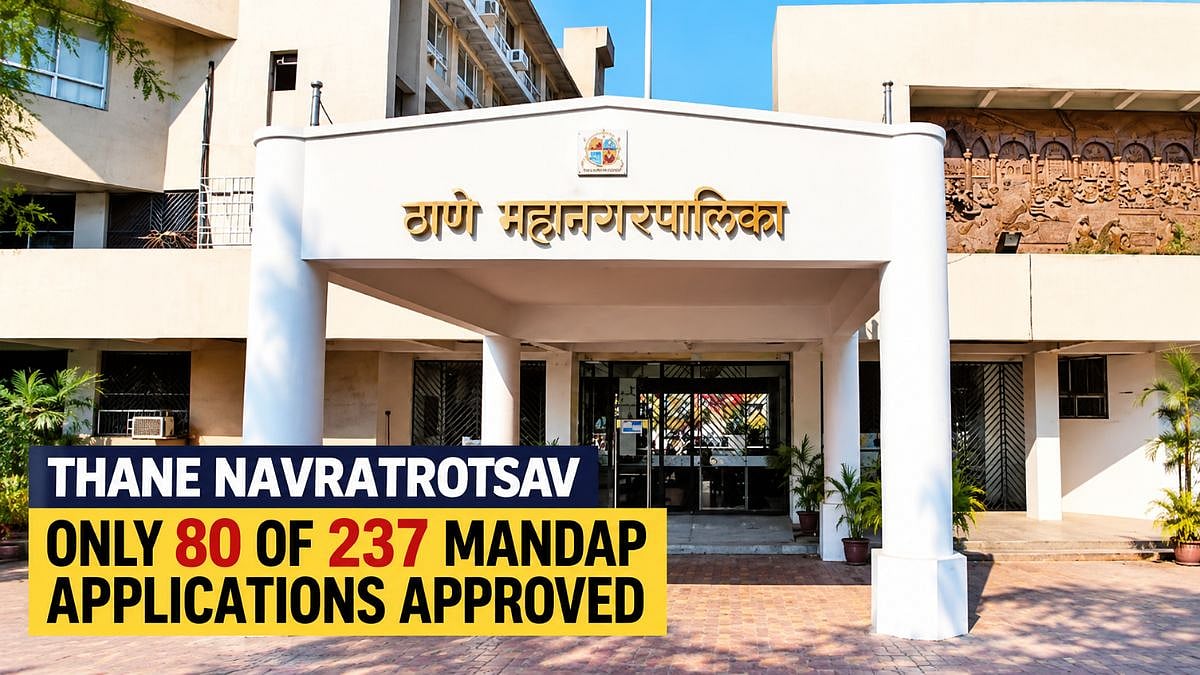
Thane Approves 80 of 237 Navratrotsav Mandap Applications
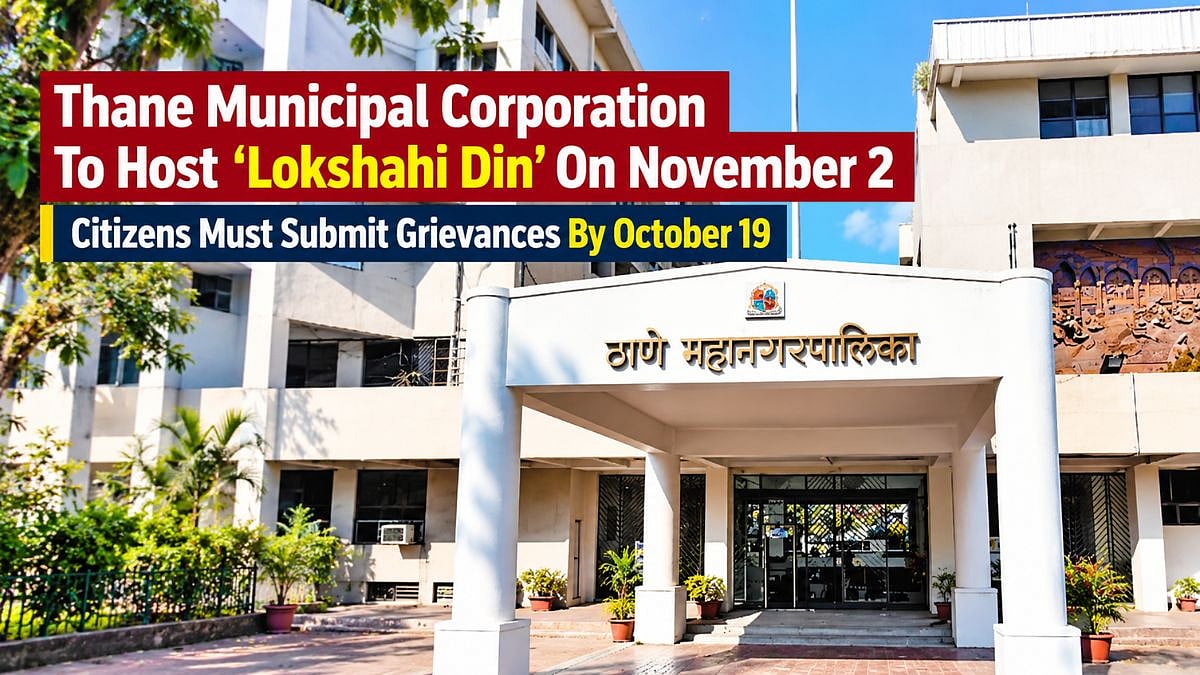
Thane Sets November 2 Lokshahi Din, Grievances Due October 19
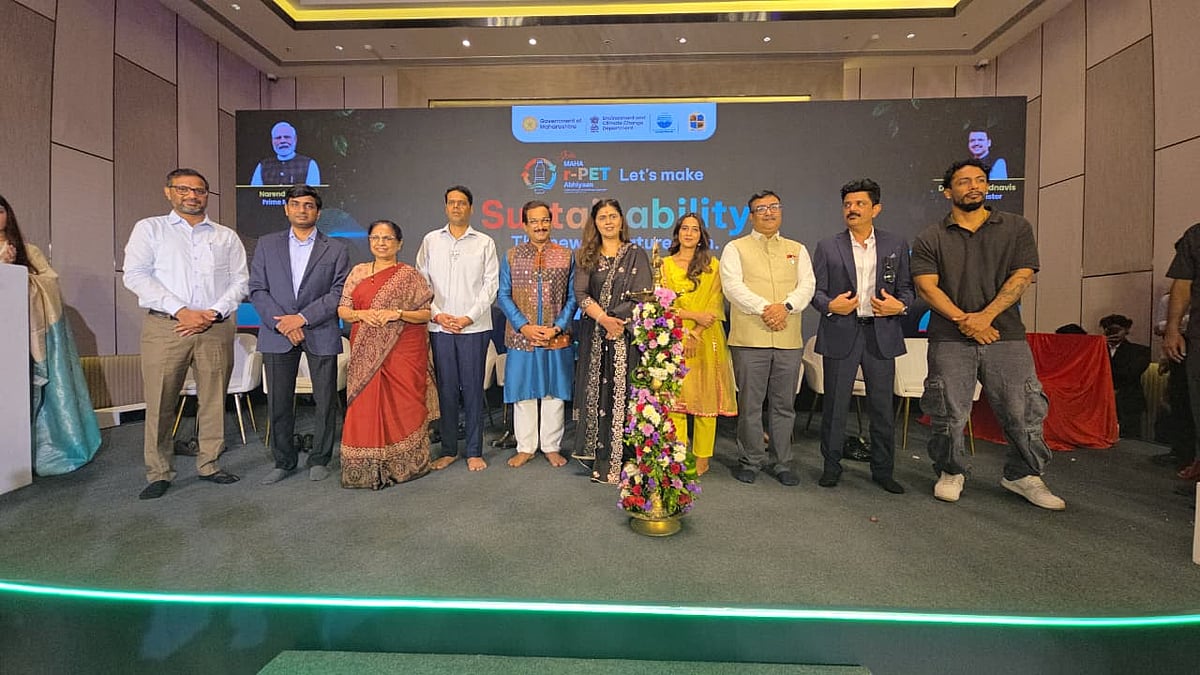
Maharashtra Launches Maha R-PET Initiative Across 13 Locations