1 hr ago
India-China Ties Thaw, but Deep Strategic Problems Remain
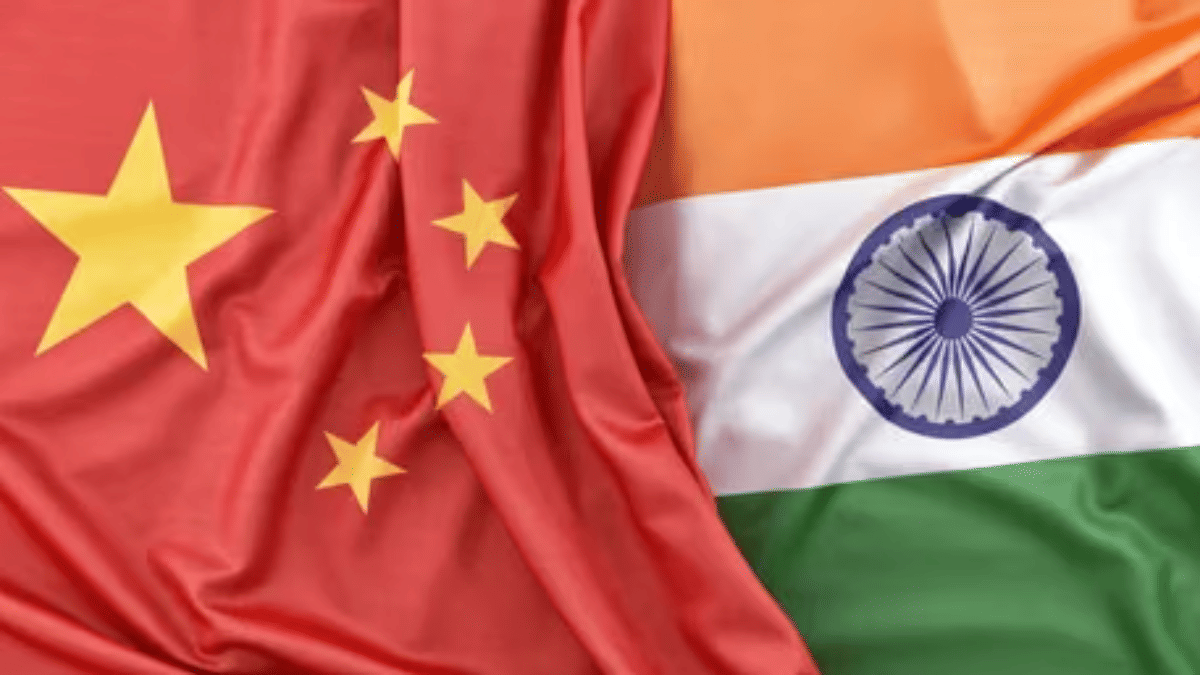
India and China have started talking and working together more again.
Their relationship became much more tense after soldiers clashed in 2020.
Since then, the countries have taken some steps to reduce tensions and restore travel and diplomacy.
But they have not settled their disagreement over where the border should be.
They also trade a lot, even though India buys much more from China than it sells there.
This creates a challenge for India, which wants useful trade without relying too heavily on China.
The article says the two countries may cooperate in some areas while competing in others.
It describes the goal as managing their rivalry, not making it disappear.

The September 12, 2026, Modi-Xi meeting continued efforts to normalise India-China relations after the 2020 Galwan clash.
Steps since the October 2024 patrolling agreement include resumed direct flights, the return of the Kailash Mansarovar Yatra, eased visa restrictions and more diplomatic exchanges.
The article says disengagement reduced immediate border tensions, but negotiations over the wider boundary dispute continue.
Bilateral goods trade reached about $151 billion in 2025-26, while India recorded a trade deficit of more than $112 billion.
The article argues India will pursue practical engagement while seeking to limit economic vulnerabilities and manage continuing strategic competition.
- Who
- Indian Prime Minister Narendra Modi and Chinese President Xi Jinping, with officials from both countries involved in border talks.
- What
- A meeting and broader steps toward normalising relations, while major border and economic challenges remain.
- Where
- New Delhi, India.
- When
- The leaders met on September 12, 2026; the article also cites developments in October 2024, August 2026 and the 2025-26 trade year.
- Why
- To improve relations and discuss border issues, trade, supply chains and people-to-people exchanges; the article frames this as managing rivalry rather than resolving it.
Case for engagement
Reasons for caution
Restoring practical ties
Case for engagement
Resumed flights, the return of the Kailash Mansarovar Yatra, eased visa restrictions and increased diplomatic exchanges indicate a meaningful improvement.
Reasons for caution
The article says these steps amount to a gradual thaw, not a reset to the pre-2020 relationship.
Border stability
Case for engagement
Disengagement and continued talks have reduced immediate military tensions and provide ways to prevent misunderstandings.
Reasons for caution
The boundary question remains unsettled; disengagement is not the same as a lasting resolution.
Trade and dependence
Case for engagement
Trade and supply-chain engagement can support economic needs, and both leaders discussed trade and market access.
Reasons for caution
The large trade imbalance and reliance on Chinese inputs could create strategic vulnerabilities, the article argues.
Key facts
- Modi-Xi meeting
- September 12, 2026, in New Delhi, according to the article.
- Previous Xi visit
- The article says Xi's prior visit to India was in 2019, to Mamallapuram.
- Patrolling agreement
- An October 2024 agreement covering Depsang and Demchok was followed by disengagement from remaining friction points of the 2020 crisis.
- Boundary talks
- The 25th round of talks between Ajit Doval and Wang Yi took place in August 2026, according to the article.
- Trade
- Goods trade was about $151 billion in 2025-26; Indian exports were around $19.5 billion and imports approximately $131.6 billion.
- Trade deficit
- The article puts India's deficit with China at more than $112 billion in 2025-26.
- Article's assessment
- Relations are thawing, but the article says this is not a full reset and the boundary dispute remains unresolved.
Sources
Related news
India and China Pursue Cautious Coexistence Amid Trade Concerns

India and China Seek Border Stability, Boundary Talks
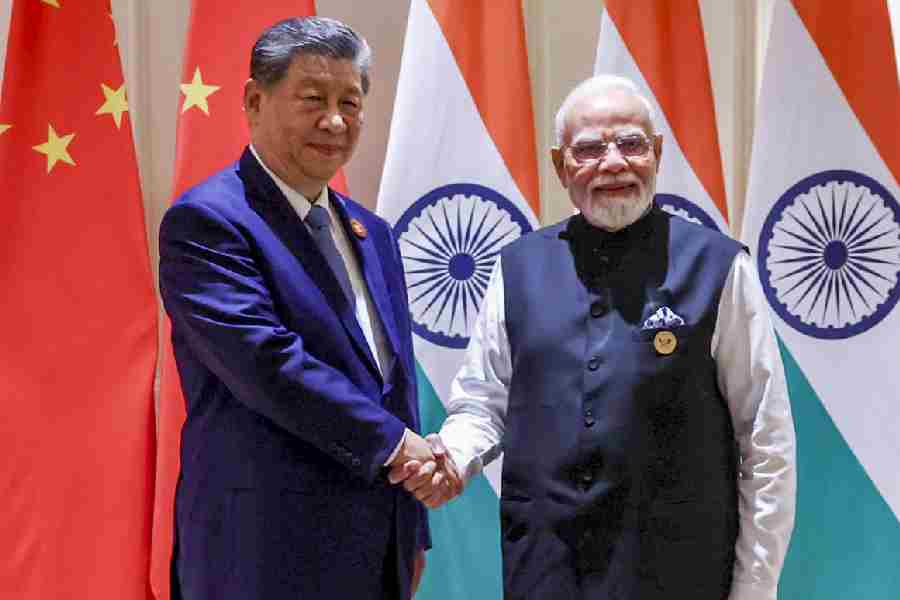
Modi and Xi Stress Border Peace, Trade and Long-Term Ties
India and China Signal Cautious Thaw Amid Persistent Fault Lines
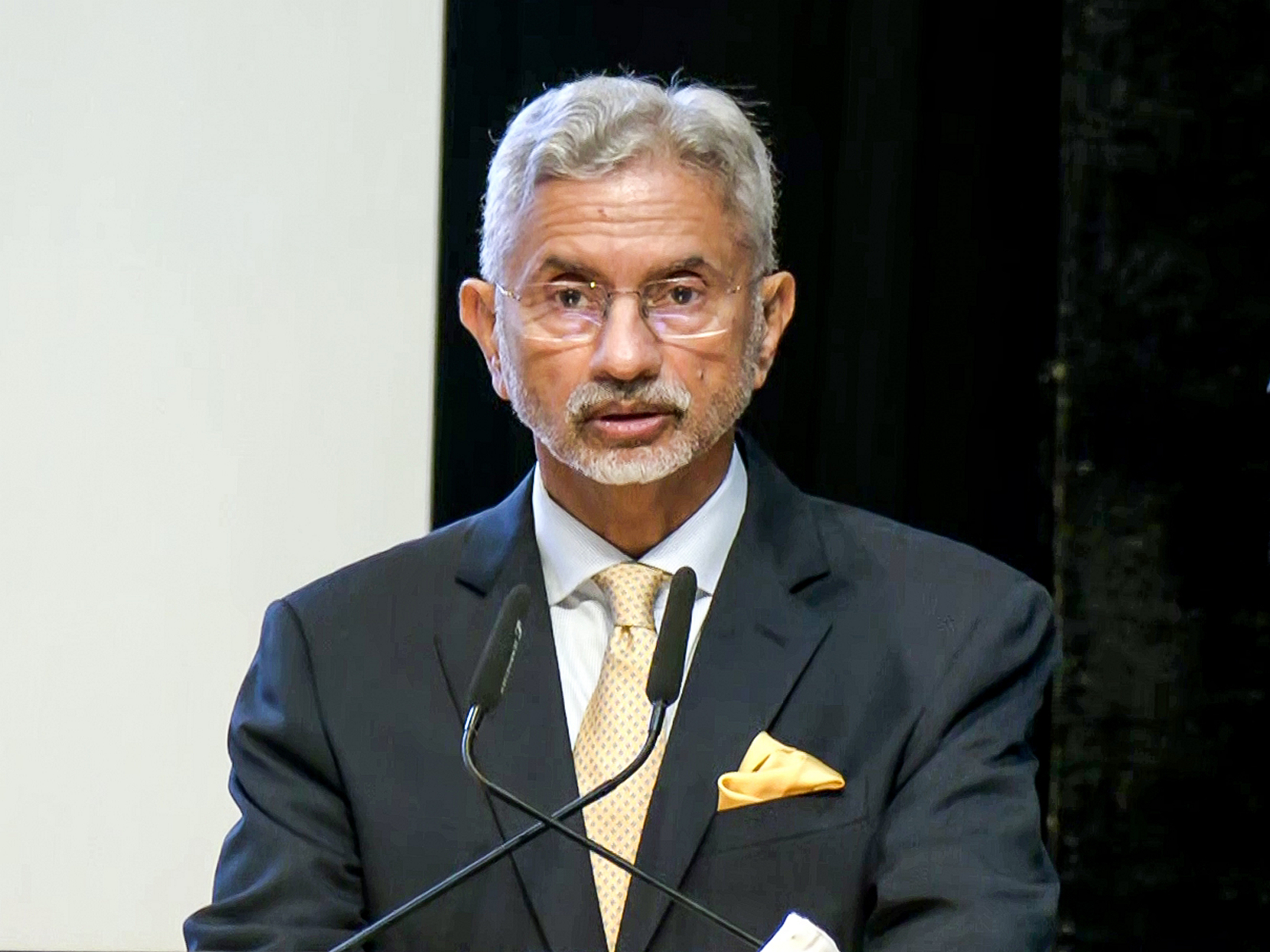
Jaishankar Says India-China Ties Improve as Border Remains Key

Modi and Xi push business links as India-China ties revive
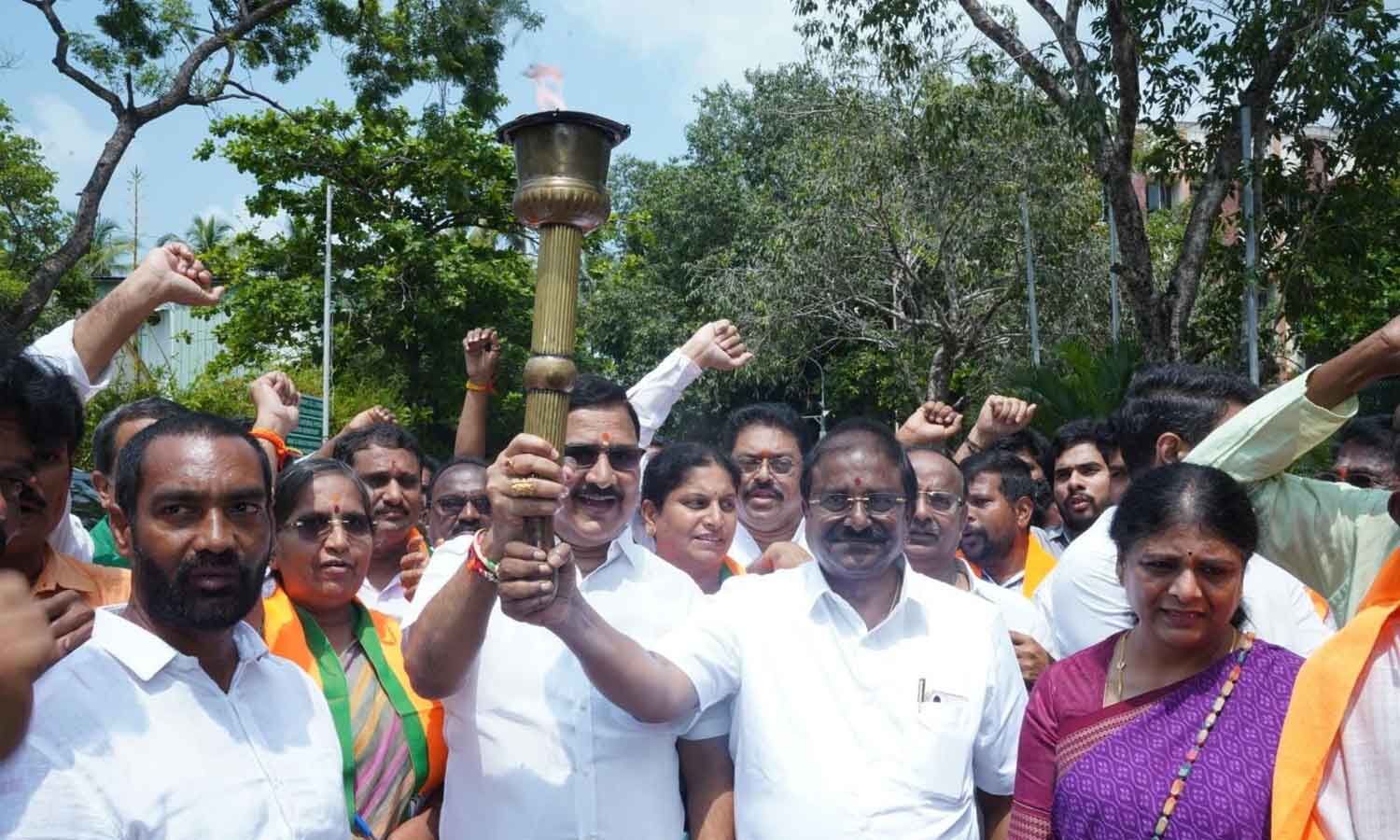
BJP Leaders Launch Seva Jyothi Yatra in Bhimavaram
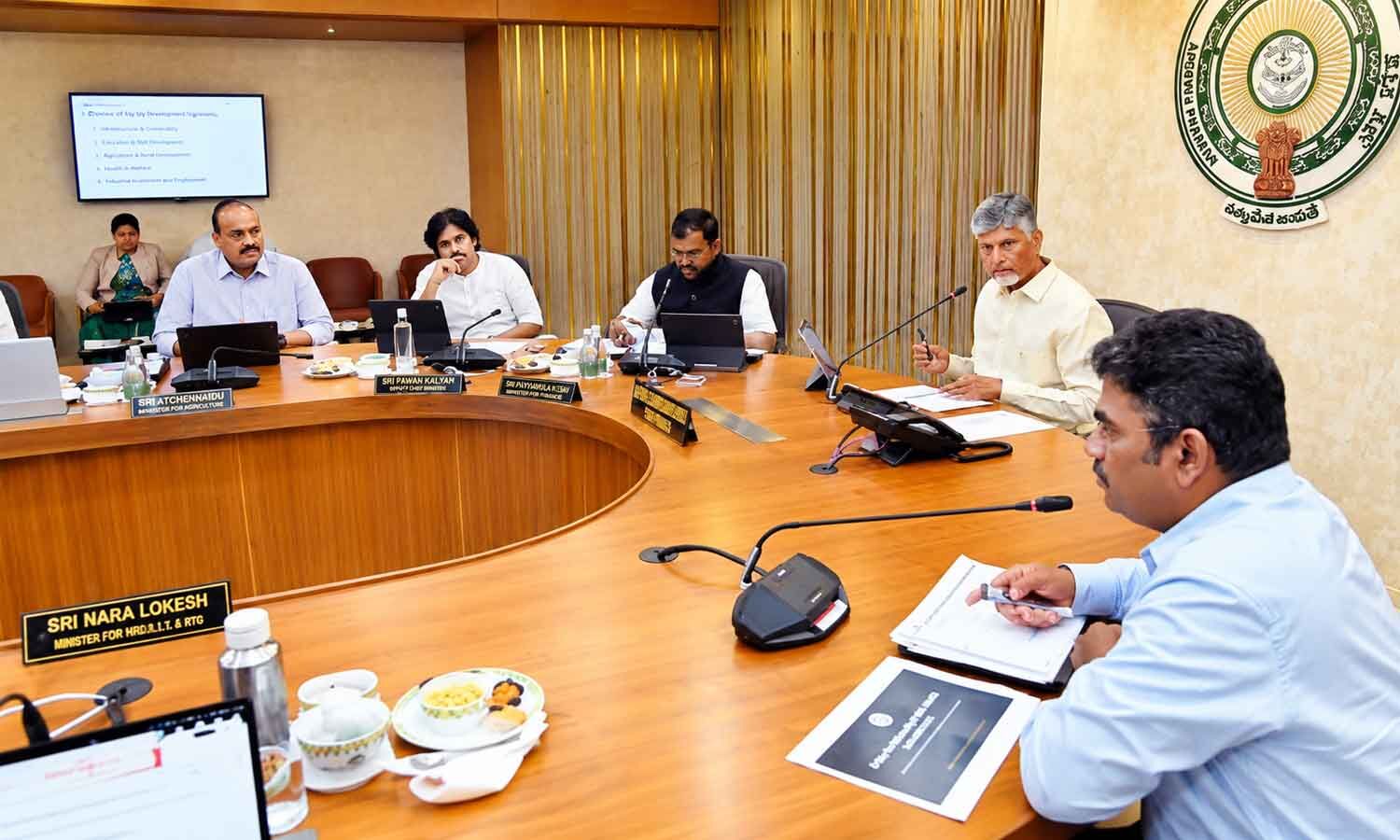
Andhra Pradesh Cabinet Expands Talliki Vandanam to 68.06 Lakh Students
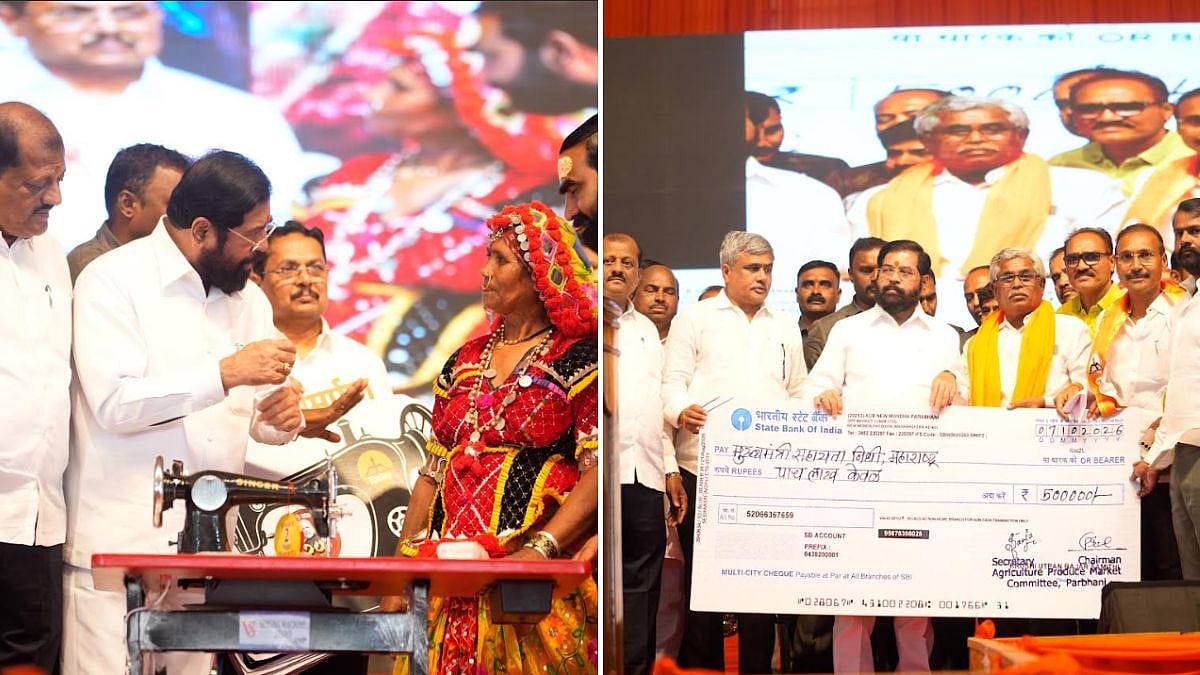
Shinde Promises Drought Relief and Welfare Support in Maharashtra
Nitin Nabin Accuses Rahul Gandhi of Defending SIR-Deleted Infiltrators