3 weeks ago
ARPA-H Invests $150 Million in 'Immune Systems' for Buildings
Scientists want to protect us from tiny germs that float in the air inside buildings.
These germs can make people sick, like when you catch a cold or the flu.
A group called ARPA-H is spending a lot of money to build 'immune systems for buildings.'
Just like your body fights off germs, these buildings would detect germs in the air and clean them away.
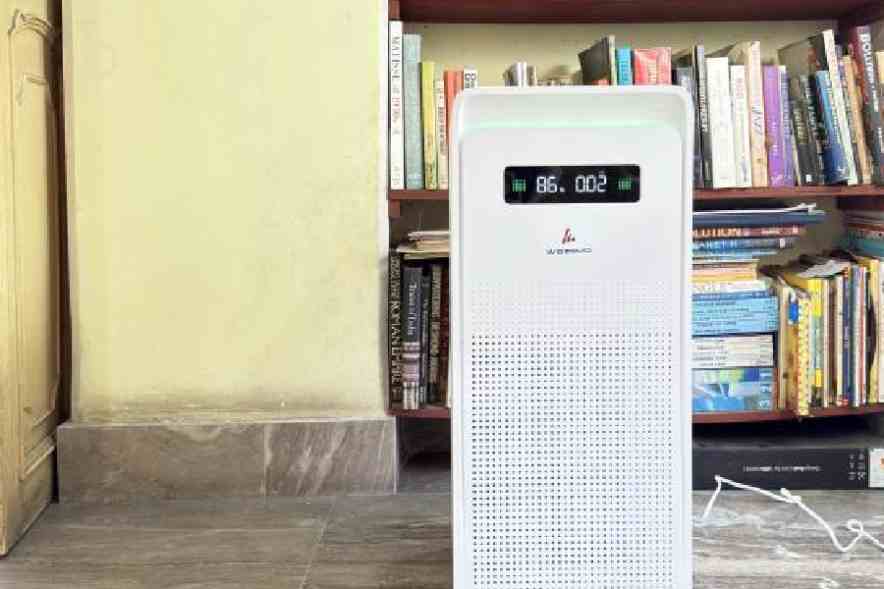
One machine can find things like dust mite allergens, which can cause asthma attacks.
The machine uses sensors to spot viruses, bacteria, and allergy triggers.
When a building detects a threat, it can turn on air purifiers or ultraviolet lights to kill the germs.
This could help keep children in daycare, students in school, and patients in hospitals healthy.
Right now, these systems are too expensive, so scientists want to make them cheaper and energy-efficient.
That way, every building can keep us safe from germs in the air.

ARPA-H is spending $150 million on a program to create 'an immune system for every building.'
Environmental engineer Linsey Marr demonstrated a prototype that detected dust mite allergen Der f 1 at 843 picograms per cubic metre of air.
The evolving technology can already detect 10 threats, including influenza, coronavirus, and E. coli, with 25 planned by the program's end.
Four teams won contracts, including SafeTraces, Poppy, and a group led by Marr, each targeting settings such as hospitals, schools, and daycare centers.
The goal is for buildings to respond automatically to airborne threats, such as by activating UV lamps or air purifiers, similar to fire-response systems.
- Who
- Environmental engineer Linsey Marr, ARPA-H programme manager Jessica Green, and four contractor teams including SafeTraces and Poppy.
- What
- A $150 million ARPA-H program to build technology that detects and responds to airborne viruses and allergens, acting as an 'immune system for every building.'
- Where
- Washington office building event; systems are being developed by teams in California (SafeTraces), Florida (Poppy), and at Virginia Tech, targeting daycare centers, schools, and hospitals.
- When
- Exact date not specified; the program is described as rapidly evolving, with a showcase event held recently in a Washington office building.
- Why
- Indoor air can harbor airborne viruses such as Covid-19 and measles, as well as allergens and mold, and current detection methods are too slow and expensive to protect people.
Key facts
- Program
- ARPA-H 'immune system for every building' initiative
- Funding
- $150 million
- Program Manager
- Jessica Green
- Current detection capability
- 10 threats (influenza, coronavirus, E. coli, dust mite allergens); 25 planned by program's end
- Demonstrated detection
- 843 picograms per cubic metre of dust mite allergen Der f 1
- Contractor teams
- 4 teams, including SafeTraces (California), Poppy (Florida), and Linsey Marr's daycare-focused group
- Target settings
- Daycare centers, schools, and hospitals
- Goal
- Buildings fight disease automatically, the way they fight fires
Quotes

Jessica Green
ARPA‑H programme manager
“What we need are solutions that can be both energy‑efficient and healthy.”
 telegraphindia.com
“We have the right to be breathing healthy indoor air.”
telegraphindia.com

Linsey Marr
Environmental engineer at Virginia Tech
“We’d spend a day collecting samples onto a filter, we would take it to the lab and the next day it would take us several hours to figure how much is in there, and by the time you have that number, it’s too late to do anything about it.”
telegraphindia.com