

2 hrs ago
Delhi Police Enforce Sweeping Lockdown Ahead of Protest
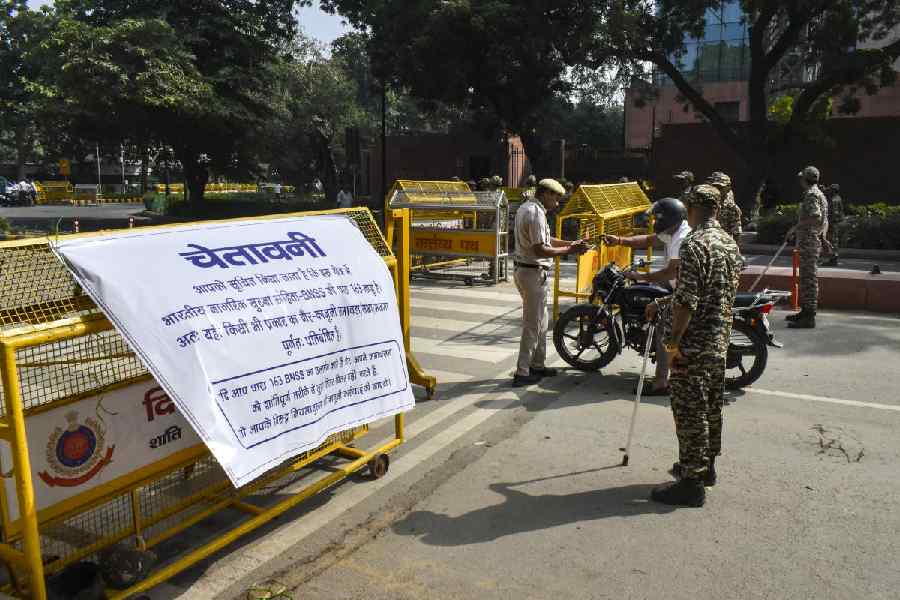
A group called the Cockroach Janta Party planned a protest in Delhi on Saturday.
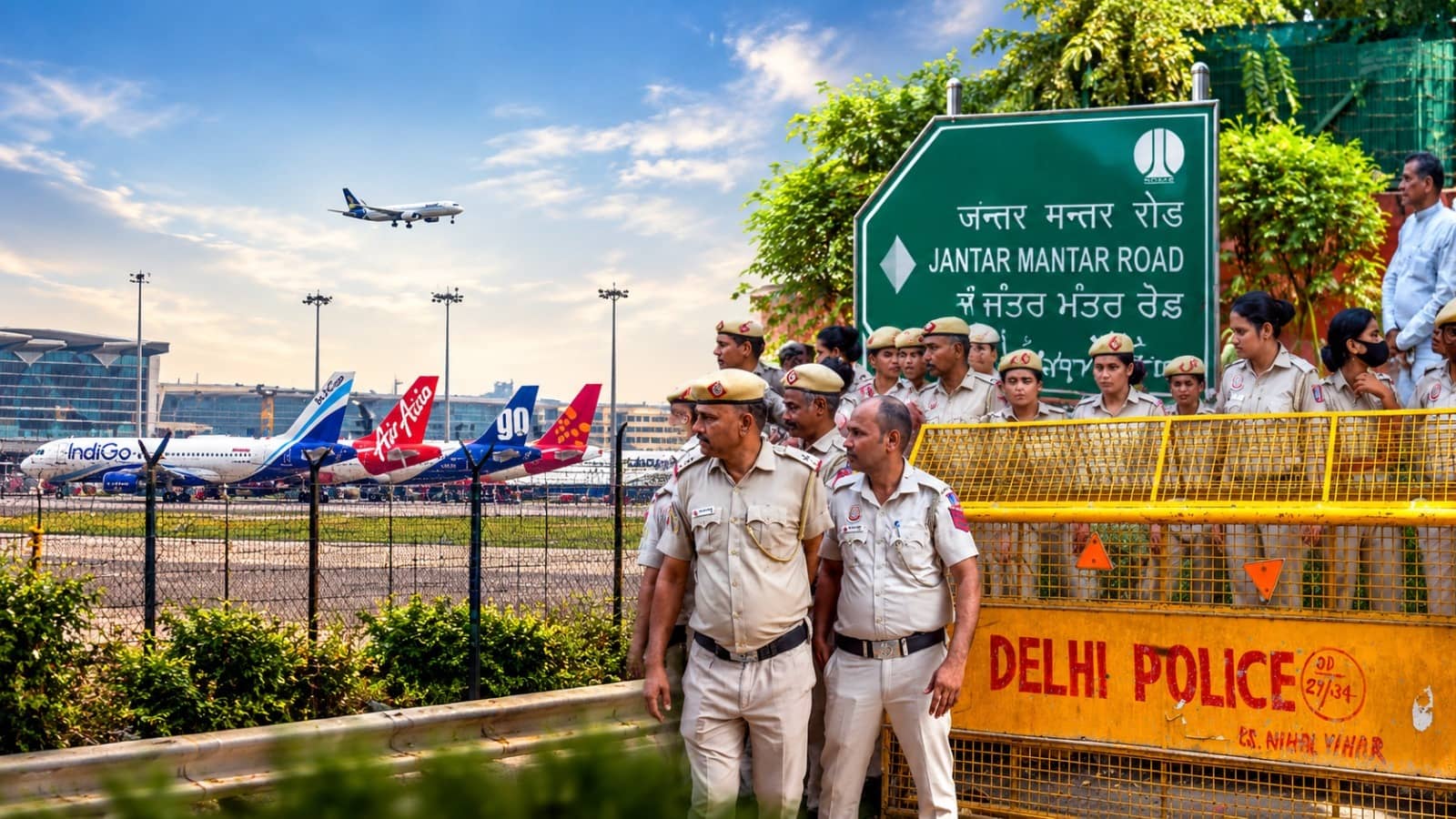
Police did not give permission for it to happen at Jantar Mantar.
They said they wanted to avoid a repeat of a large protest in July.
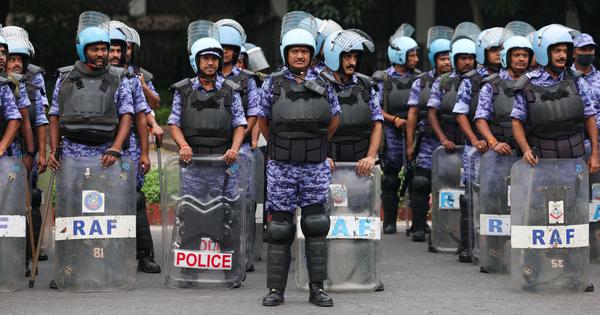
Police placed many officers around the city and closed 45 Metro stations overnight.
They also set up roadblocks and restricted internet access in parts of central Delhi.
Officers stopped some people travelling toward the protest site and detained others.
The police said they had learned from problems during the July protest.
Critics had raised concerns about force used against protesters during that earlier demonstration.

Delhi Police denied the Cockroach Janta Party permission to demonstrate at Jantar Mantar on Saturday.
Police said the denial and extensive security measures were intended to prevent a repeat of July’s prolonged NEET paper-leak protest.
More than 50,000 security personnel were deployed, and 45 Metro stations were shut from Friday night.
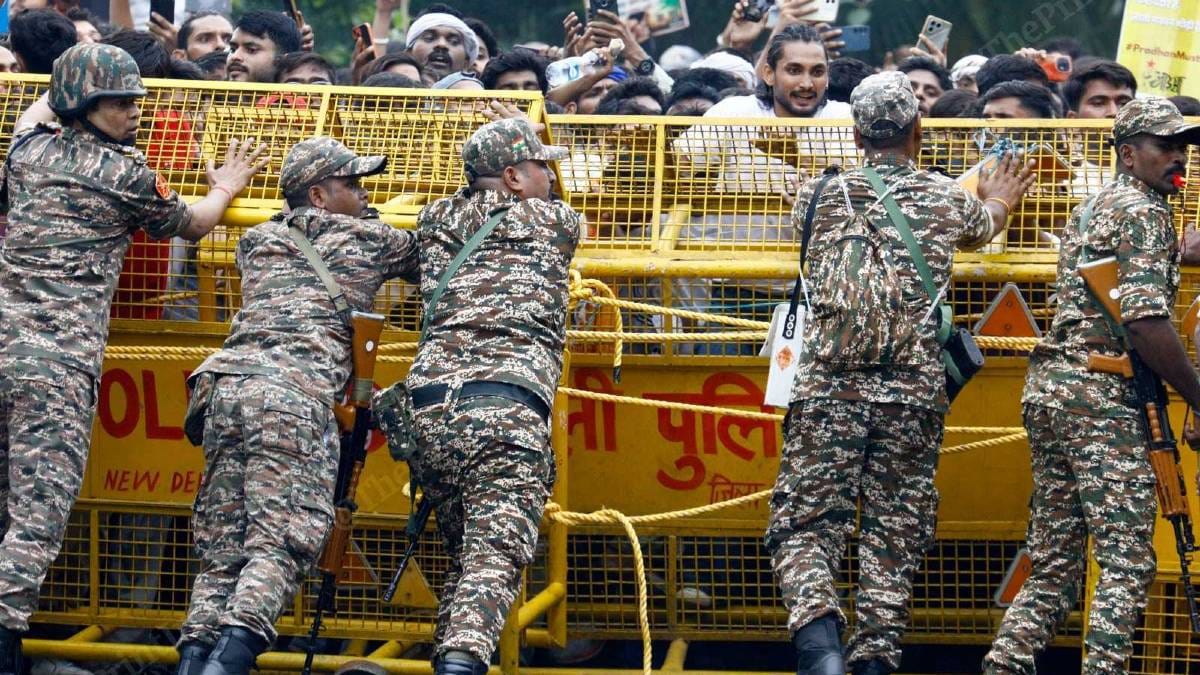
Authorities sealed interstate borders, blocked internet access in parts of central Delhi, and set up checkpoints and barricades.
Police intercepted, chased away, or detained people heading to Jantar Mantar before the demonstration could assemble.
- Who
- Delhi Police and security forces; the Cockroach Janta Party and people seeking to protest.
- What
- Police denied permission for a demonstration and used extensive security measures to stop protesters assembling at Jantar Mantar.
- Where
- Delhi, especially routes to Jantar Mantar and parts of Lutyens’ Delhi.
- When
- Saturday; 45 Metro stations were shut from 9pm on Friday.
- Why
- Police said they wanted to prevent a repeat of the prolonged July protest; the demonstration was called over alleged SIR irregularities.
Police rationale
Criticism and protest concerns
Preventing another prolonged protest
Police rationale
Police said denying permission and imposing broad security measures were necessary to avoid a repeat of July’s prolonged occupation and to prevent the demonstration from assembling.
Criticism and protest concerns
The article says the crackdown targeted a fast-growing protest over alleged SIR irregularities that had drawn thousands of young people and support from opposition groups.
Use of force and accountability
Police rationale
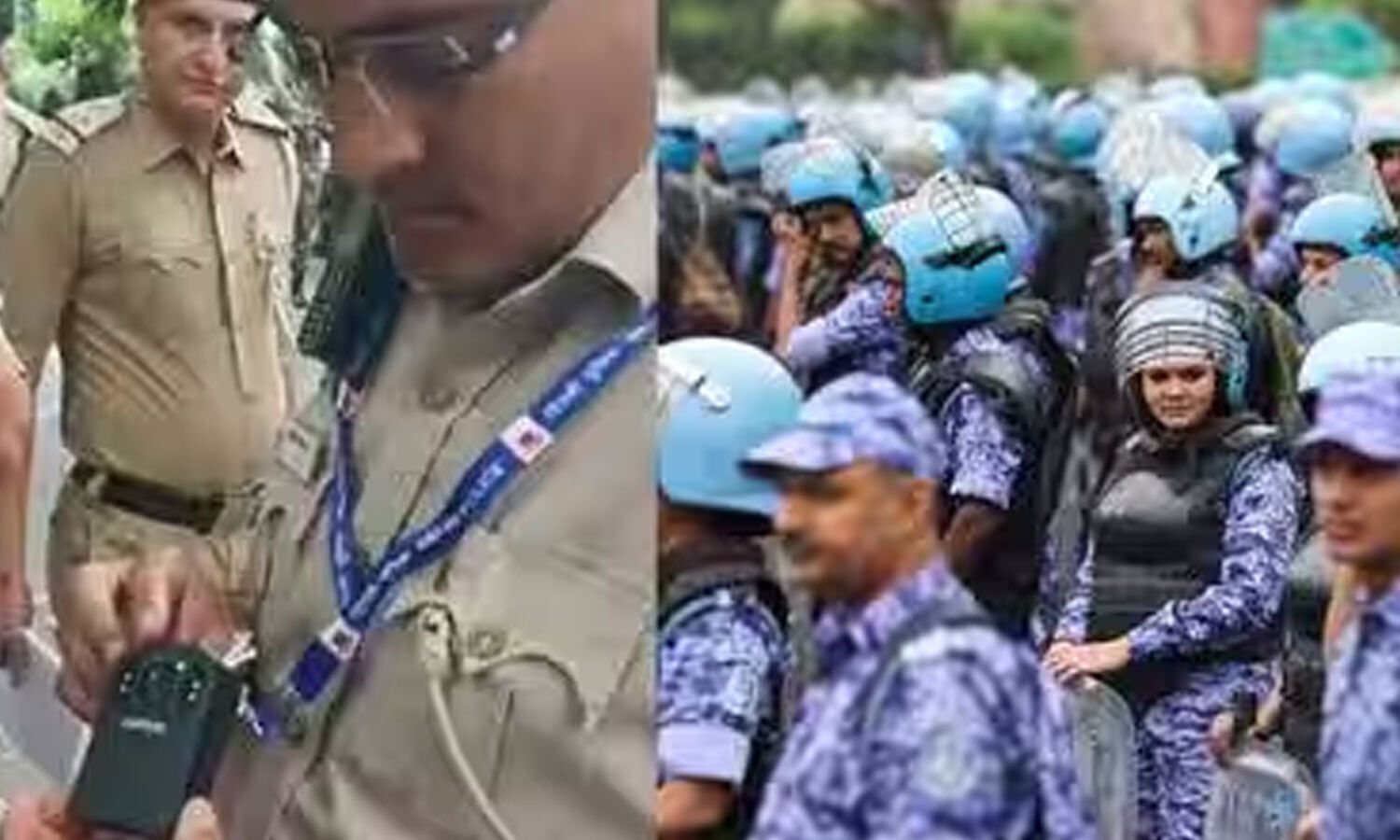
Police said officers avoided wearing name tags to protect them from online targeting and harassment after officers were identified following the July protest.
Criticism and protest concerns
The alleged use of pellet guns against protesters during the July 20 Parliament march prompted public outrage and legal scrutiny; opposition figures blamed Union Home Minister Amit Shah for the use of severe force.
Key facts
- Planned protest
- A Cockroach Janta Party demonstration at Jantar Mantar on Saturday
- Permission
- Delhi Police denied the party’s request on Friday
- Security deployment
- More than 50,000 security personnel
- Metro closures
- 45 stations shut from 9pm Friday
- Other measures
- Interstate borders were sealed, roads barricaded, and internet restricted in parts of central Delhi
- Earlier protest
- The July protest concerned alleged NEET exam paper leaks and lasted nearly a month, according to a police official
- Detentions
- Police intercepted and detained people travelling toward Jantar Mantar before they could assemble
Quotes
A Delhi police official
Police official discussing the decision to deny permission for the demonstration.
“We realised how granting even one-day or limited permissions could result in prolonged occupations (the July NEET agitation went on for nearly a month). So we were better prepared this time by enforcing blanket denial of protest along with pre-emptive fortress enforcement.”
 telegraphindia.com
“We learnt our lesson the hard way. Denying permission to the CJP was the first step in nipping the protest in the bud. We did not want a rerun of July.”
telegraphindia.com
Sources
Related news

Delhi Police Detain Thousands as CJP Protest Faces Restrictions
Delhi Tightens Security Ahead of CJP Protest Showdown
Delhi Police Denies CJP Protest Permission, Seeks Metro Restrictions

Delhi Deploys Heavy Security Ahead of CJP Jantar Mantar Protest

Delhi Police Denies CJP Protest Permit, Citing Safety Concerns
Delhi Tightens Security Ahead of Jantar Mantar Protest
Delhi Lockdown Aimed to Prevent Protest Over Election Chief
Chennai Diverts Heavy Vehicles During Modi’s Visit
Modi and Leaders Honor Jayaprakash Narayan on Birth Anniversary
Modi and Delhi Chief Minister Extend Navratri Greetings
Nagaland Cabinet Praises Modi’s Northeast Development Initiatives
