1 hr ago
Delhi Tightens Security Ahead of CJP Protest Showdown
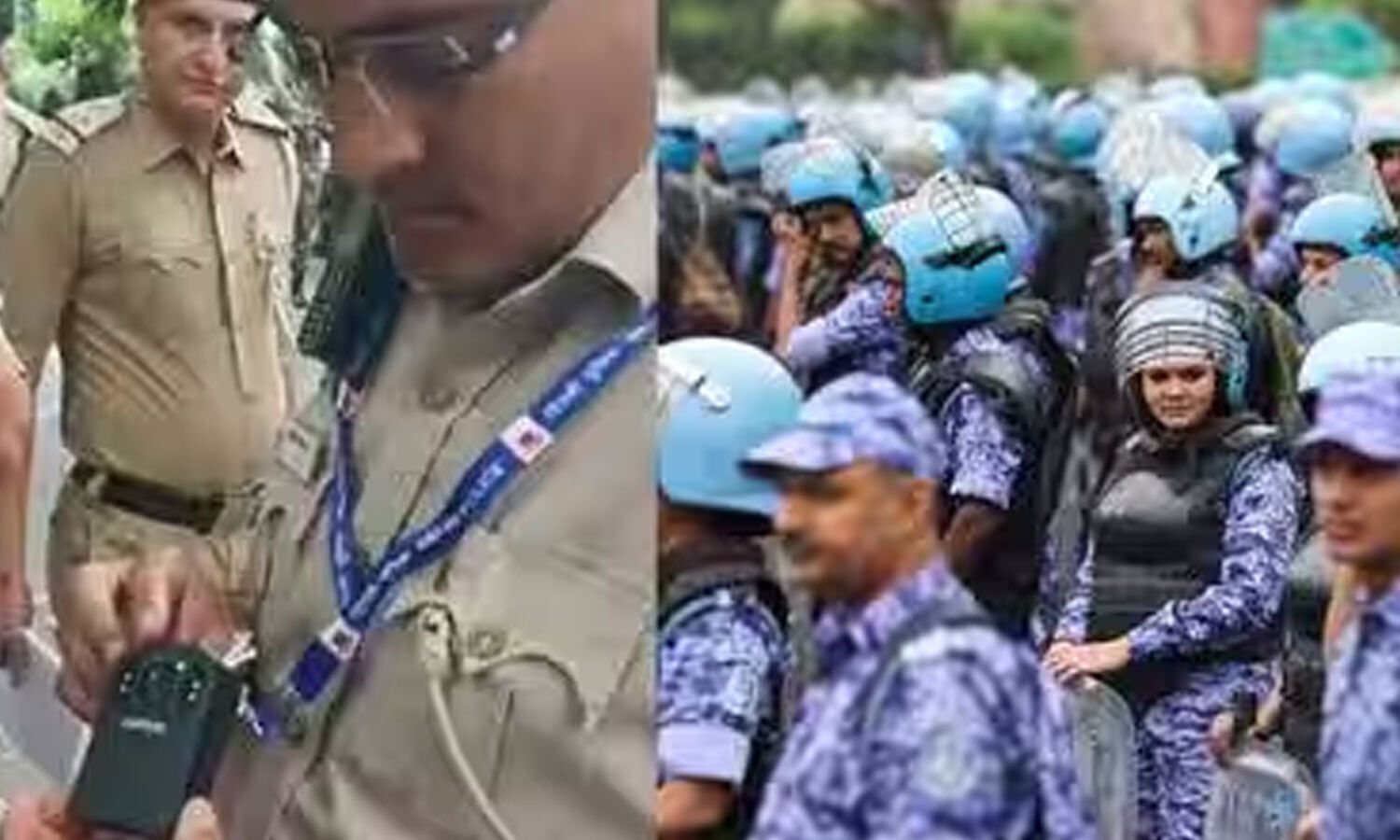
A political group called the Cockroach Janata Party planned to hold a protest in Delhi.
Its founder and spokesperson were expected to arrive in the morning.
Police prepared for the event by deploying many officers and restricting access to parts of the city.
Some activists were taken into preventive custody, and authorities monitored transport and social media.
Police said they wanted to prevent trouble and keep the peace.
CJP activists said the restrictions were unfair and that they had a right to protest.
The article also says that a previous CJP protest in July involved violence.
The protest had not yet drawn a crowd at Jantar Mantar when the article was written.

Delhi Police deployed around 26,000 police and paramilitary personnel across the city ahead of the planned protest.
CJP founder Abhijeet Dipke and spokesperson Saurav Das were expected to arrive in Delhi at 10 a.m.
Police said activists, including people described as having criminal backgrounds, were taken into preventive custody and moved to 13 detention centres.
Authorities restricted access around Jantar Mantar and Central Delhi, closed Metro stations except for passenger interchange, and reportedly cancelled more than 200 trains.
CJP activists called the security measures a panic reaction and said protesting was a fundamental right; police said their aim was to maintain peace and law and order.
- Who
- The Cockroach Janata Party (CJP), including founder Abhijeet Dipke and spokesperson Saurav Das, and the Delhi Police.
- What
- Authorities prepared extensive security measures ahead of a planned CJP protest.
- Where
- Jantar Mantar and Central Delhi, with security checks also at Delhi's entry points.
- When
- The planned protest was on Saturday; Dipke and Das were expected to arrive at 10 a.m.
- Why
- Police said the measures were intended to prevent unauthorised entry and maintain peace and law and order.
Police and authorities
CJP activists
Security restrictions
Police and authorities
Police said checks and restrictions were needed to prevent unauthorised elements from entering and to maintain peace and law and order.
CJP activists
CJP activists described the arrangements as a panic reaction and called the situation in Delhi authoritarian.
Right to protest and permission
Police and authorities
The article says the protest organisers had not applied for permission 10 days in advance and presents protest rights as subject to reasonable restrictions.
CJP activists
CJP activists said protest is a fundamental right and, according to the article, did not accept that advance permission was required.
Key facts
- Police and paramilitary deployment
- Around 26,000 personnel
- Detention centres
- 13
- New Delhi monitoring zones
- 20
- Reported train cancellations
- More than 200 trains
- Metro arrangements
- Stations were closed; passenger interchange was permitted
- Liquor shops
- Scheduled to remain closed across Delhi on Saturday
- Previous CJP protest
- The article says a July protest at Jantar Mantar involved violence and that police identified more than 2,800 participants with criminal backgrounds
Quotes
DCP Anant Mittal
Delhi Police deputy commissioner commenting on security arrangements for the protest.
“Special security arrangements are in place at inter-state and inter-district borders. We are preventing unauthorised elements from entering New Delhi and checking them. Our effort is to ensure that everything remains peaceful and law and order is maintained.”
 thehansindia.com
Sources
Related news
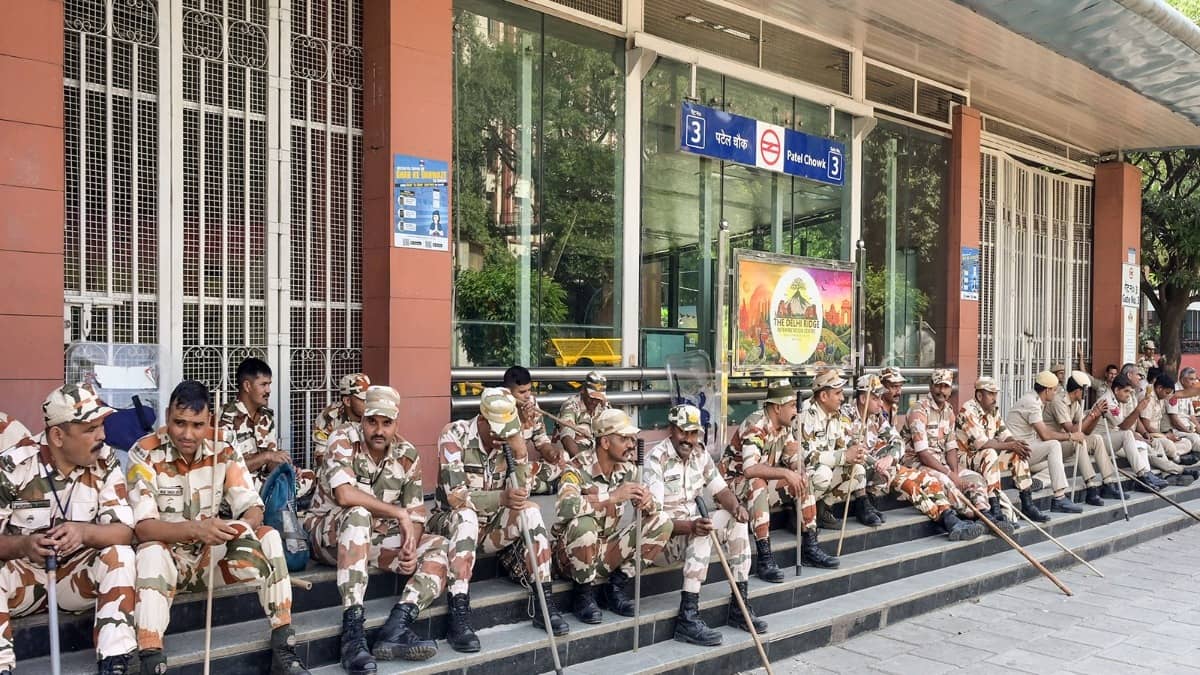
Delhi Deploys 35,000 Personnel Ahead of CJP Protest

Delhi Deploys Heavy Security Ahead of CJP Jantar Mantar Protest
Delhi Police Detain CJP Protesters, Tighten Security Ahead of Demonstration
Delhi Fortifies Jantar Mantar Ahead of CJP Protest
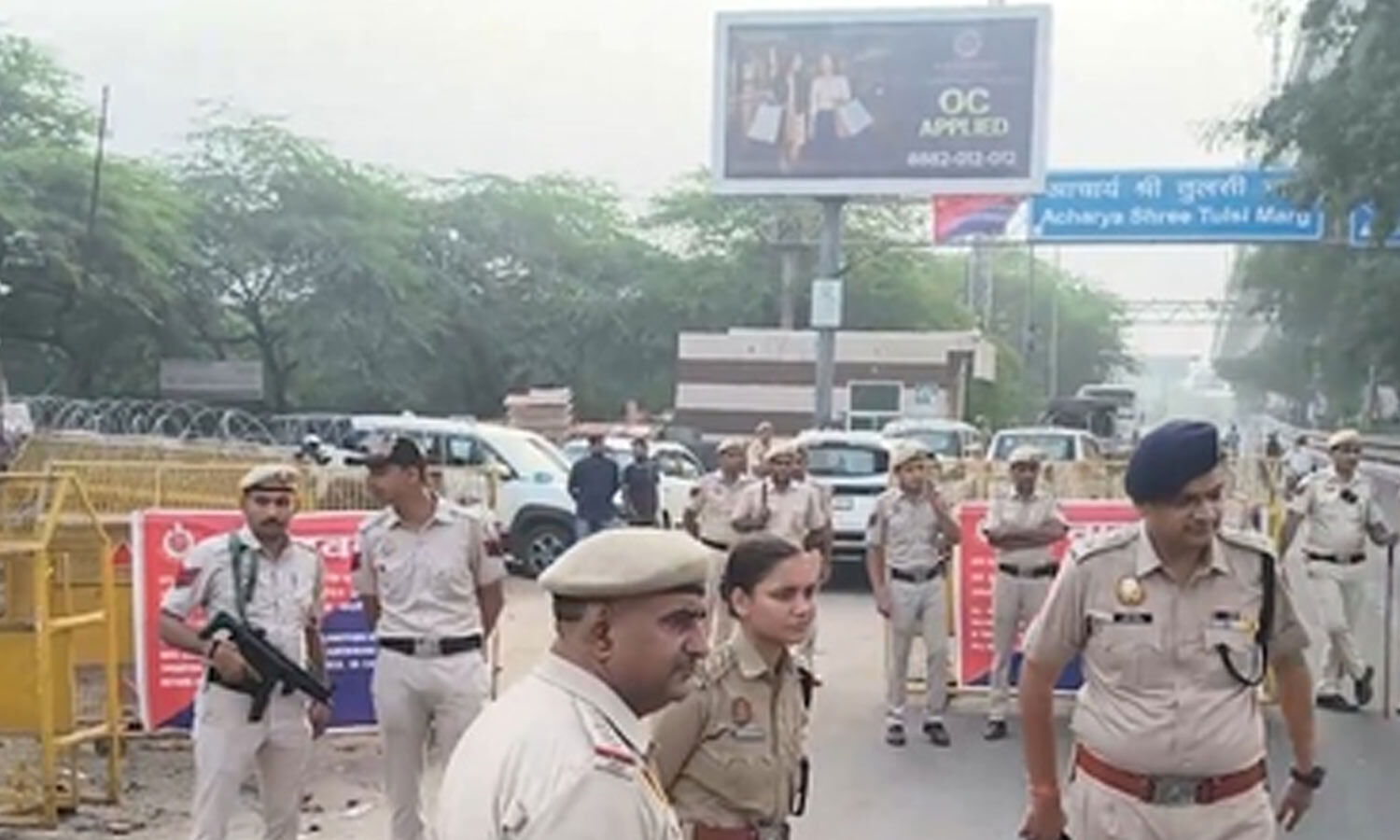
Delhi Tightens Security Ahead of Jantar Mantar Protest
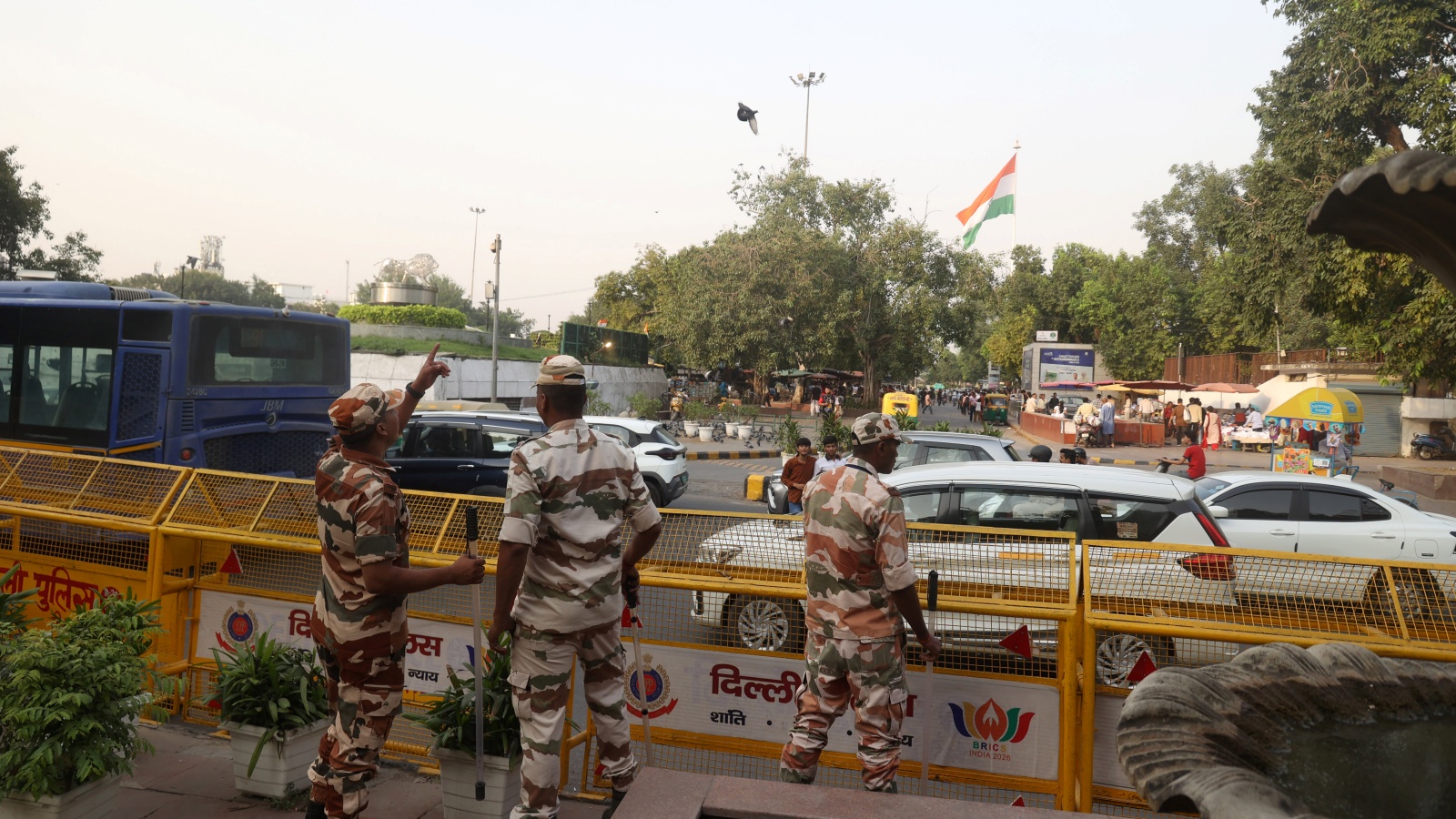
Delhi Plans Extensive Security Ahead of CJP Protest
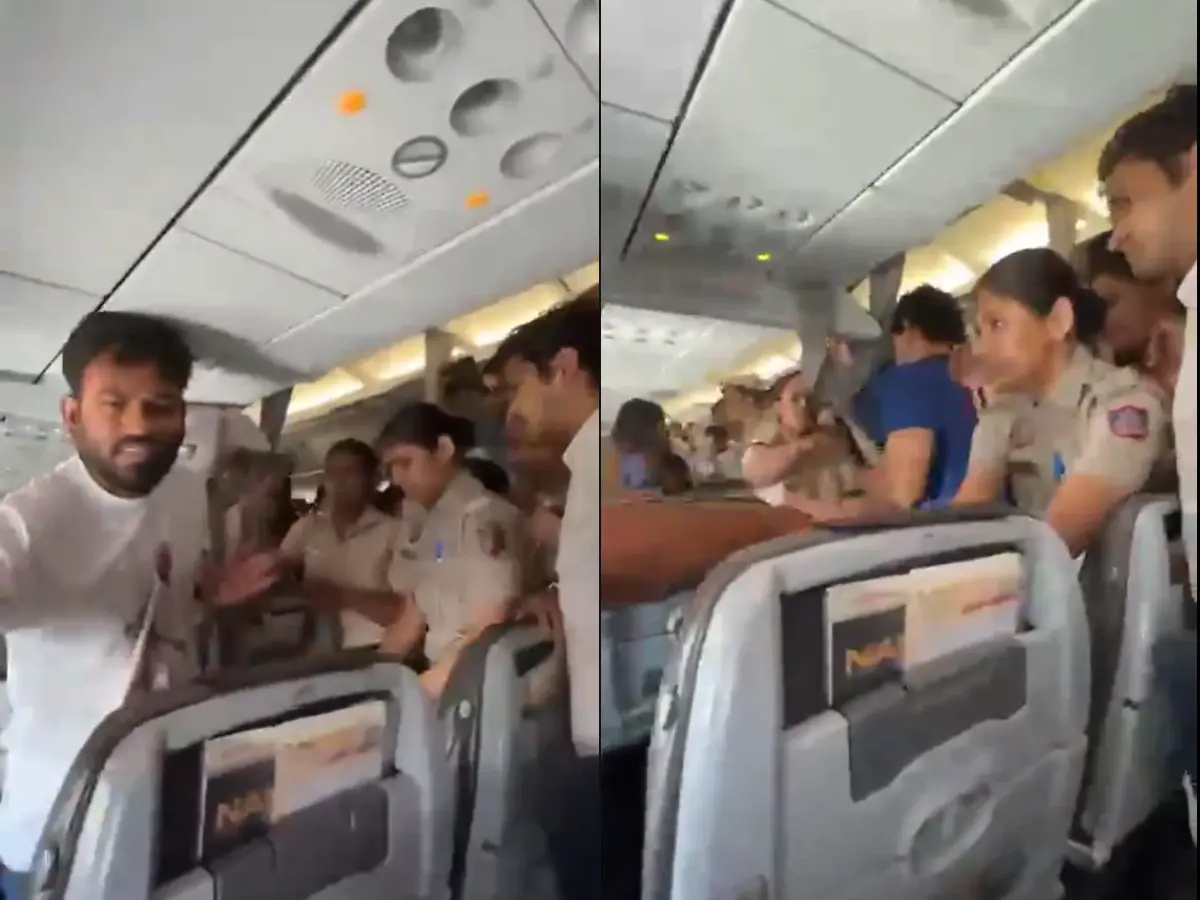
CJP Leaders Detained From Flight Ahead of Delhi Protest

Rahul Gandhi Targets Election Chief Ahead of CJP Protest
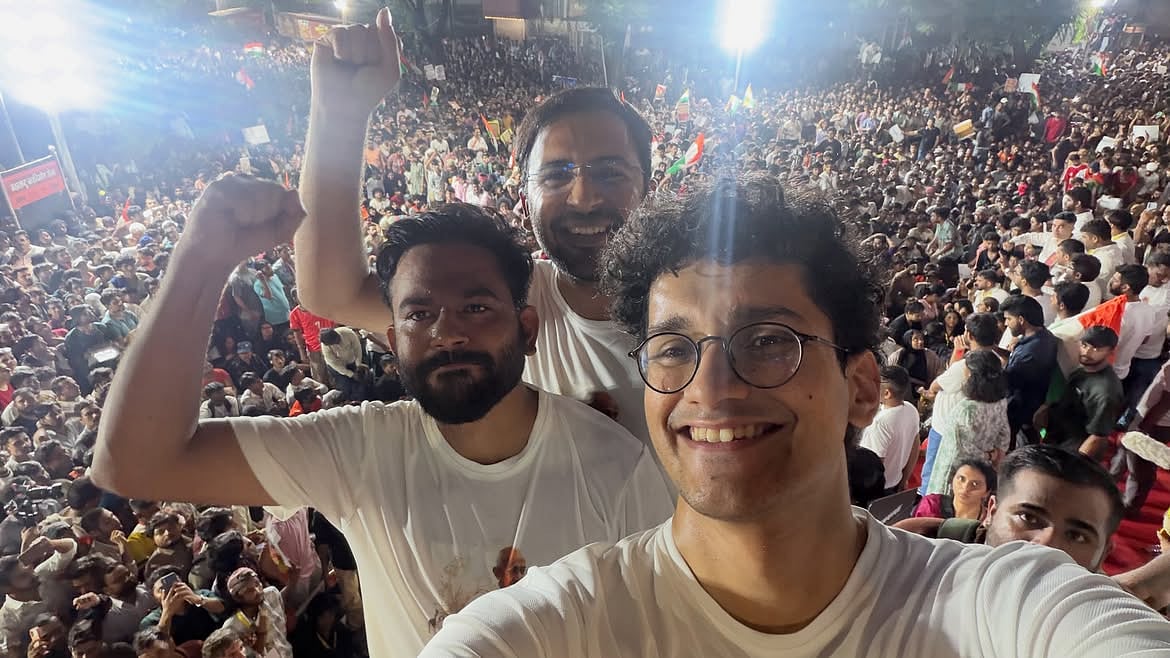
Delhi Police Detain CJP Founder Aboard Flight Ahead of Protest

CJP Leaders Detained Before Protest Against Election Chief
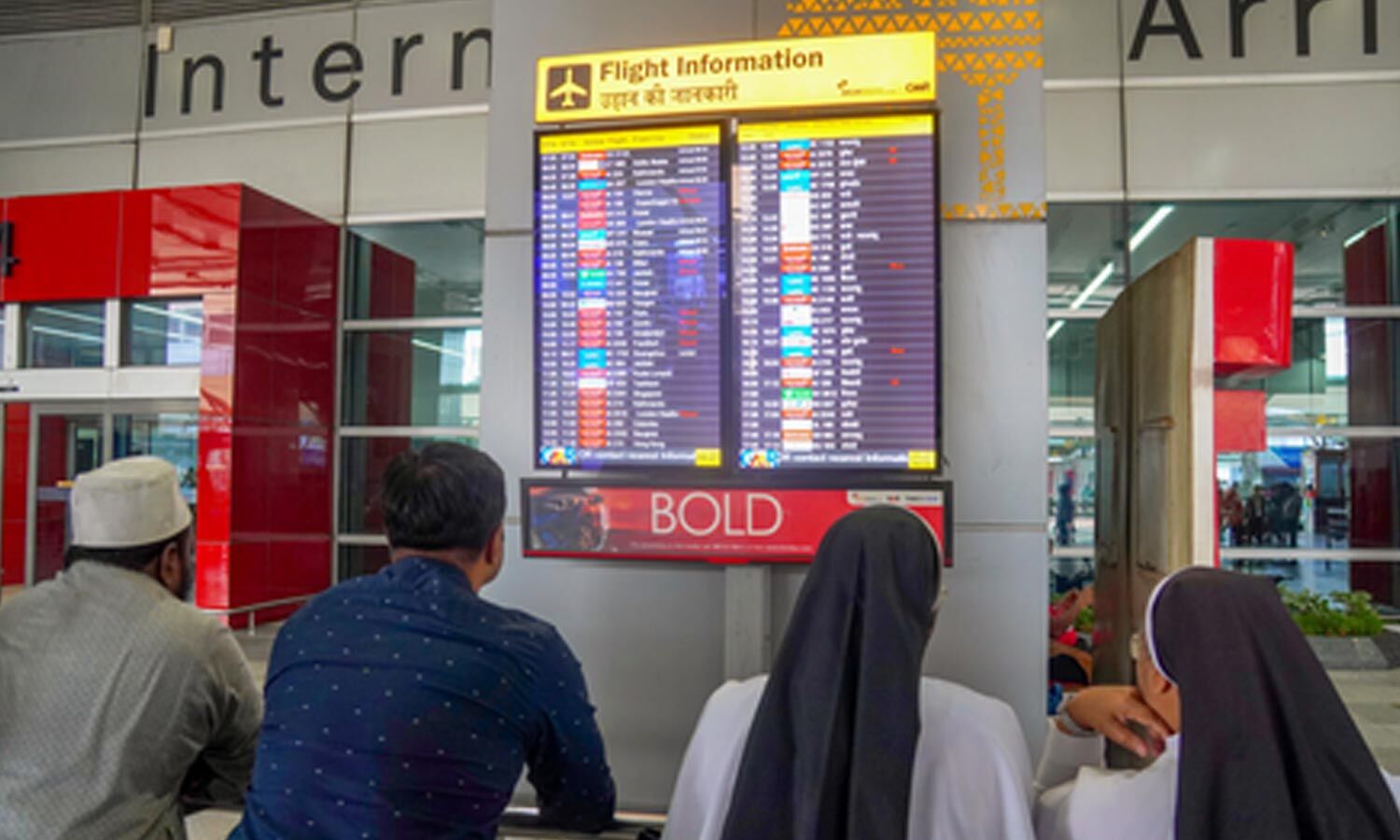
Delhi Airport Advises Passengers to Plan Ahead Amid Protest