9 months ago
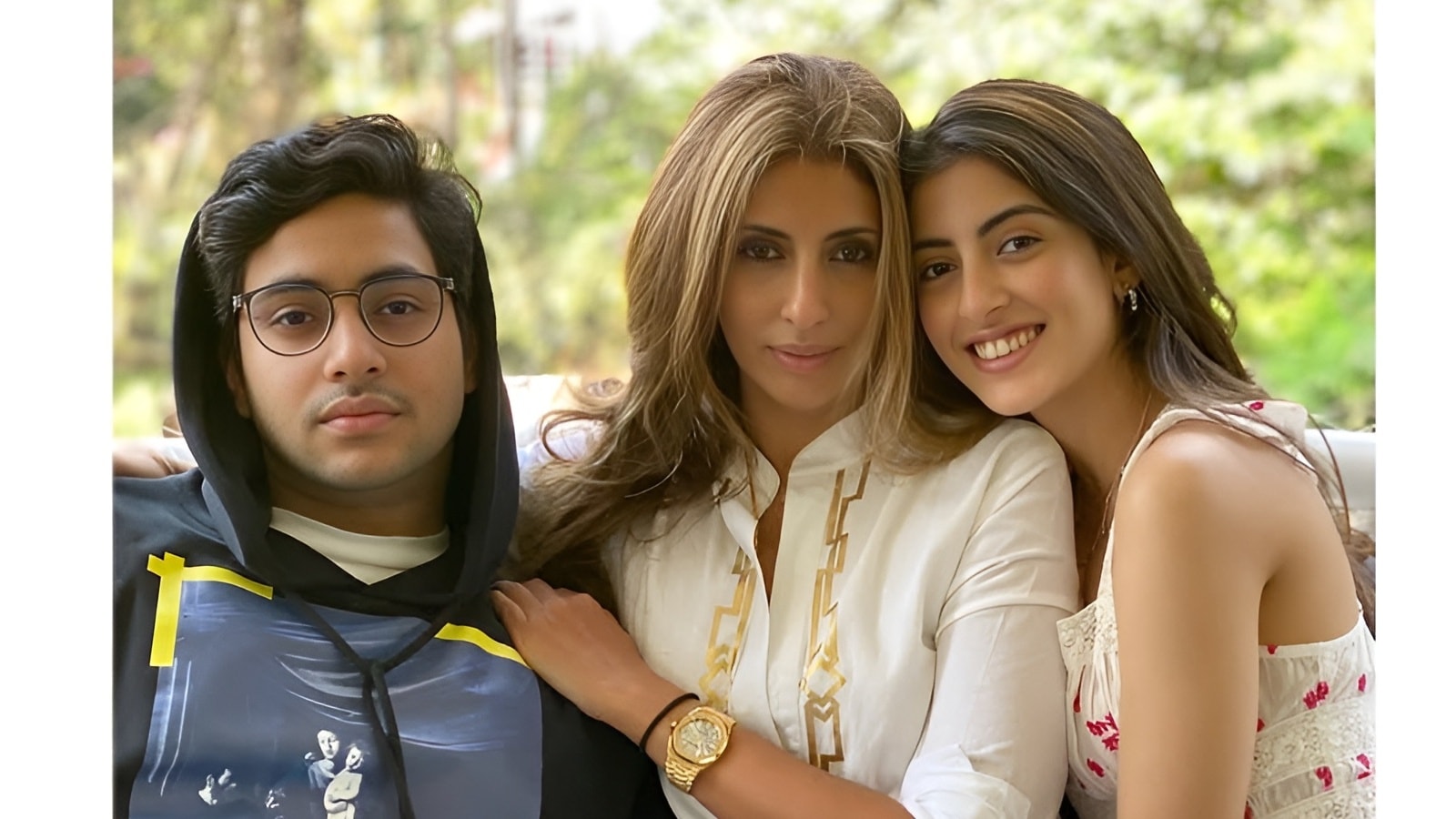
Shweta Bachchan Nanda: I'm Her Parent, Not Best Friend
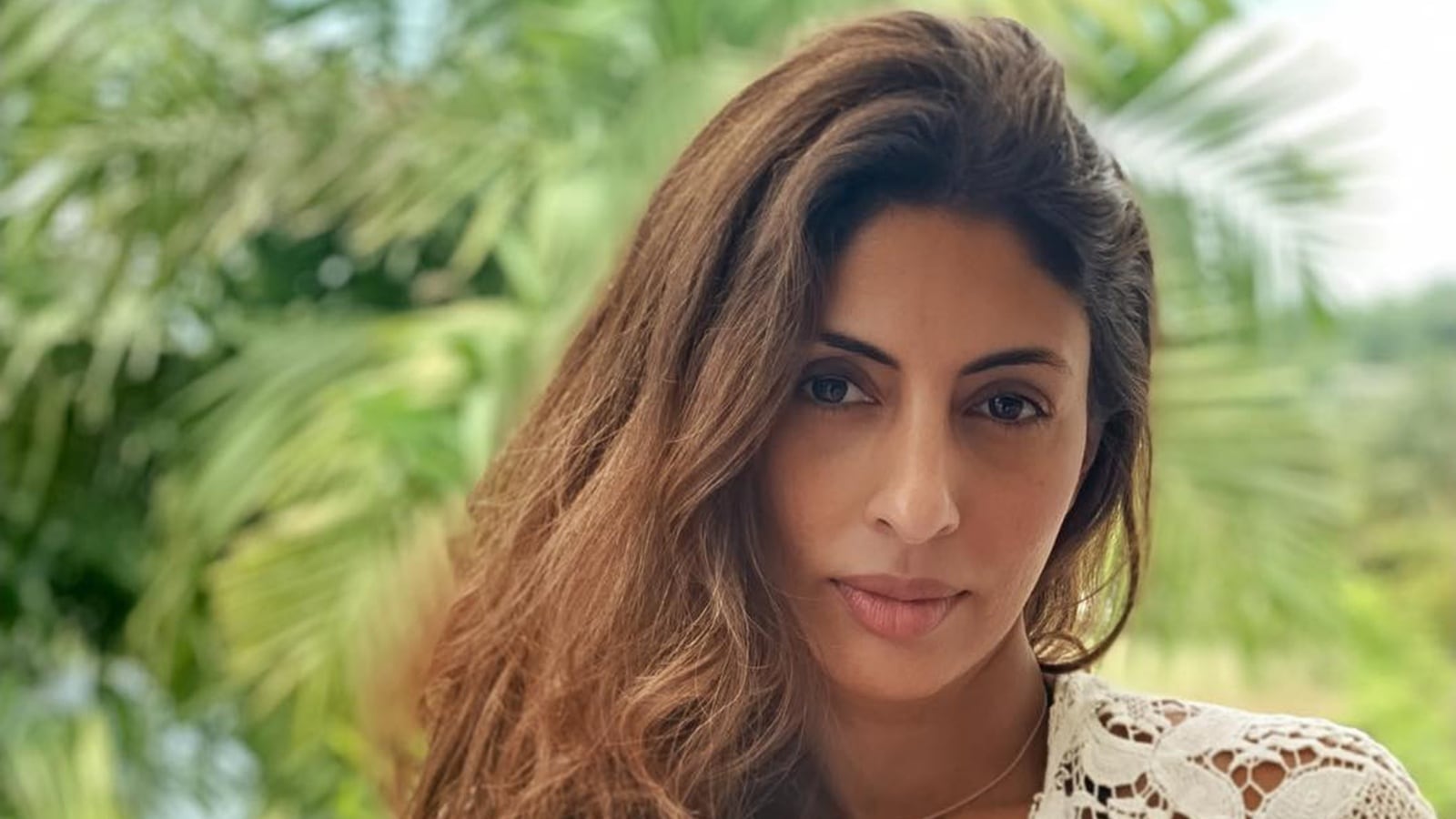
Imagine your mom or dad.
Should they be like your friend, or more like a boss who helps you?
Shweta Bachchan Nanda thinks parents should be parents, not best friends, because it’s their job to guide you and sometimes say no.
Being too much like a friend might make kids feel like they have to take care of their parents' feelings, which is not their job.
A helper called Gurleen agrees that parents are like safety nets and guides.
They should be kind and listen, but also have rules.
When kids are little, parents are like teachers, but as they grow up, they can become more like equals.
Eventually, when kids are all grown up, they can be real friends, but that's after being guided and cared for as a child.

Shweta Bachchan Nanda believes parents should prioritize their role as a parent over being a child's 'best friend.'
She stated, 'I am not her best friend, I am her parent, and that is where I’d like to be.'
An expert, Gurleen Baruah, suggests that a peer-to-peer friendship dynamic can lead to children feeling insecure or experiencing parentification.
Baruah advises parents to balance approachability with maintaining clear boundaries and authority, especially during childhood and adolescence.
The parent-child relationship can evolve into a genuine friendship in adulthood, built on a foundation of trust and balanced authority established earlier.
- Who
- Author and entrepreneur Shweta Bachchan Nanda and psychotherapist Gurleen Baruah
- What
- Discussing the complexities of parental roles versus being a child's 'best friend,' emphasizing the importance of maintaining parental authority and boundaries while fostering a trusting relationship.
- Where
- Mentioned in interviews with Times of India and Barkha Dutt, with commentary from an expert to indianexpress.com.
- When
- Recently discussed in interviews and by an expert.
- Why
- To explore differing perspectives on parenting styles and the potential psychological impact of blurring the lines between parent and friend for children.
Shweta Bachchan Nanda's Stance
Expert Perspective on Parent-Child Roles
Parental Role Definition
Shweta Bachchan Nanda's Stance
Believes parents should maintain a clear parental role and not aim to be a child's 'best friend,' stating 'I am not her best friend, I am her parent.' Finds the idea of being a best friend ridiculous as children won't share everything with a friend.
Expert Perspective on Parent-Child Roles
Acknowledges parents can share warmth and trust, but emphasizes that parent-child friendship is not peer-to-peer. Children need guidance, boundaries, and for parents to say 'no,' requiring a clear parental role over a friendship.
Impact of 'Best Friend' Dynamic
Shweta Bachchan Nanda's Stance
Implies that trying to be a best friend blurs lines, and while grateful for what children share, not all will be shared.
Expert Perspective on Parent-Child Roles
Warns that resembling an equal friendship can lead to children losing security, feeling they must manage parental emotions, or taking on adult roles (parentification), potentially leaving them unsupported or confused.
Striking a Balance
Shweta Bachchan Nanda's Stance
Her focus is on maintaining the parental role rather than on how to balance approachability with authority.
Expert Perspective on Parent-Child Roles
Suggests balance through being a safety net and guide, being approachable without judgment, while holding firm on boundaries, routines, and values. This involves open, age-appropriate communication and allowing some negotiation.
Age-Appropriate Roles
Shweta Bachchan Nanda's Stance
Does not explicitly detail how the role changes with age.
Expert Perspective on Parent-Child Roles
States children benefit from parents as authority figures in childhood/early adolescence. As teenagers mature, parents engage more as equals, and in adulthood, relationships can evolve into genuine friendships with mutual respect.
Key facts
- Key Figure
- Shweta Bachchan Nanda
- Core Belief
- Parents should maintain a distinct parental role, not be a child's 'best friend'.
- Expert Advisor
- Gurleen Baruah (Existential Coach & Psychotherapist)
- Potential Risk
- Parentification, loss of security for children.
- Recommended Approach
- Balance approachability with authority; evolve roles with child's age.
Quotes
Gurleen Baruah
Existential coach and psychotherapist
“At the same time, parents must still hold firm when it comes to boundaries, routines, and values. This balance can be managed through open, age-appropriate communication: explaining the “why” behind rules, listening to the child’s perspective, and allowing some negotiation where possible. The goal is for the child to see the parent as someone who understands their world but still provides stability and direction”
 indianexpress.com
“In adulthood, many parent-child relationships naturally evolve into genuine friendships, where both people relate to each other with mutual respect and equality. This transition works best when authority in the early years was balanced with love and trust, creating the foundation for a healthy, lasting bond”
indianexpress.com

Shweta Bachchan Nanda
Author and entrepreneur
“I find it ridiculous, because I’m not her friend. She’s not going to tell me everything. But I am grateful for what they do share with me.”
indianexpress.com
“I am not her best friend, I am her parent, and that is where I’d like to be”
indianexpress.com
Navya Naveli Nanda
Daughter of Shweta Bachchan Nanda
“No, now that she’s told me again and again that she doesn’t want to be called my friend… I mean, I might have, and I get that look, so then I stopped.”
indianexpress.com