1 week ago
Why Everyday Life Can Feel Like More Work India
Paula Simpson is a New Zealand woman living in Bengaluru, India.
She says daily life there can feel more tiring than it did in New Zealand.
In New Zealand, she cooked, cleaned and drove herself but still felt she had more free time.
Indian meals may require several fresh dishes and ingredients each day.
Homes may also need more frequent cleaning because of dust.
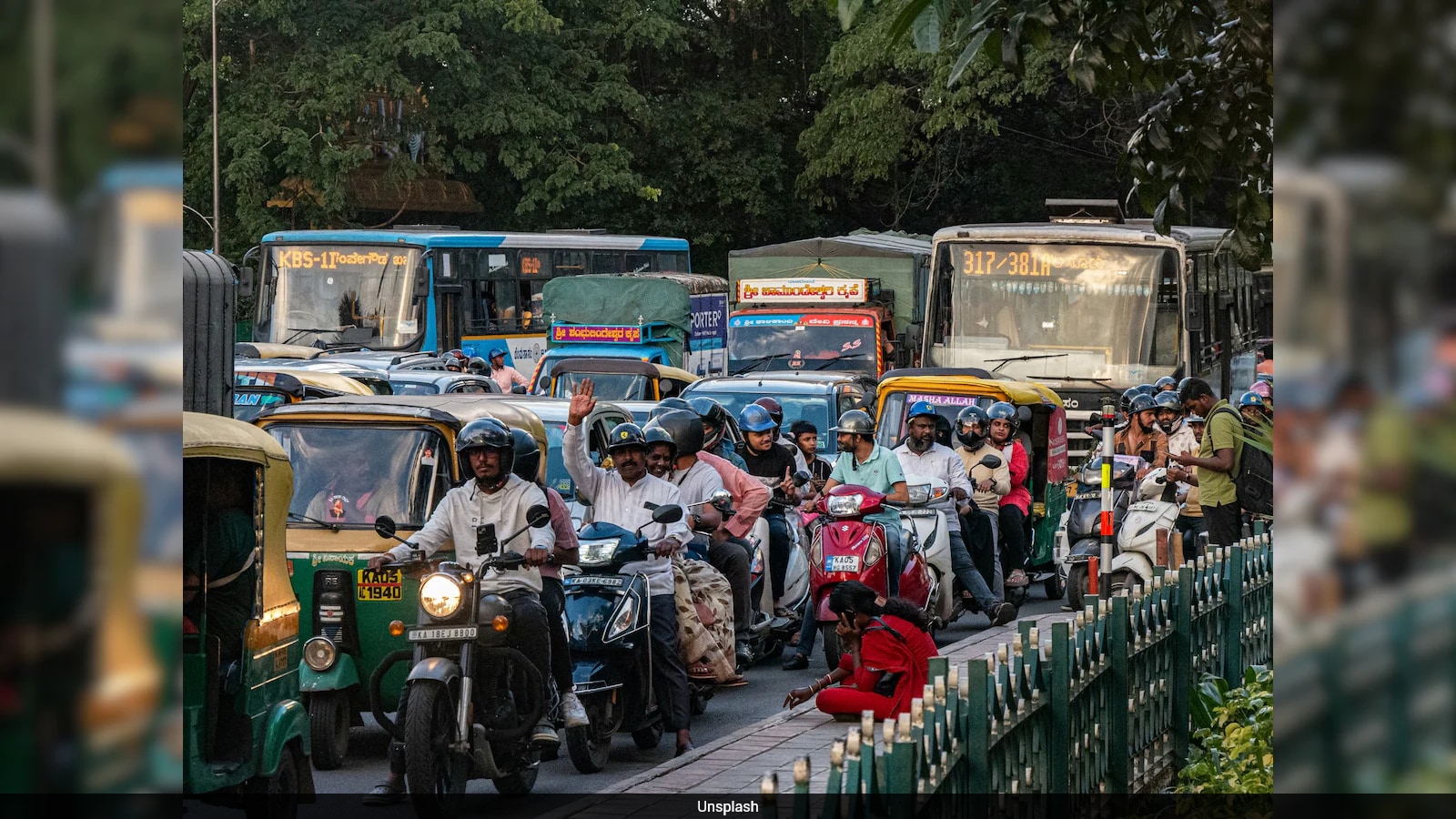
Driving can require constant attention because of traffic, pedestrians, animals, potholes and unpredictable vehicles.
Household help can do chores, but someone still has to explain and manage the work.
Shopping several times a week and dealing with noise and complicated systems can add more effort.
Her experience raises questions about whether routines, expectations and infrastructure matter as much as the chores themselves.

Paula Simpson, a New Zealand expat in Bengaluru, said she had more free time in New Zealand despite doing her own cooking, cleaning and driving.
She attributed the difference partly to expectations for three freshly prepared meals, including multiple components for dishes such as masala dosa.
Domestic help may reduce physical chores but can add work through instructions, coordination and follow-up.
Frequent cleaning, repeated grocery trips and stressful driving can make routine tasks more time-consuming in India.
Simpson said traffic, noise, crowded streets and complex systems may add mental strain to everyday life.
- Who
- Paula Simpson, a New Zealand woman living in Bengaluru, and people discussing household work in India.
- What
- Simpson questioned why everyday life can feel more demanding in India even when domestic help is available.
- Where
- Bengaluru, India, compared with New Zealand.
- When
- She recently shared her observations on LinkedIn.
- Why
- She said fresh-meal expectations, dust, difficult driving, frequent shopping, household-help management, noise and complex systems can add physical and mental work.
Key facts
- Observer
- Paula Simpson, a New Zealand expat living in Bengaluru
- Main comparison
- She reported having more free time in New Zealand despite doing her own cooking, cleaning and driving.
- Food expectations
- Three freshly cooked meals a day may be considered normal in many Indian homes.
- Household help
- Domestic workers can reduce physical chores but may require instructions and coordination.
- Shopping pattern
- Simpson contrasted weekly grocery shopping in New Zealand with more frequent fresh-ingredient purchases in India.
- Environmental pressures
- Traffic noise, horns, loudspeakers, construction and crowded streets can create ongoing stimulation.
- Broader issue
- The discussion questions whether household workload is shaped by chores themselves or by surrounding expectations, systems and conditions.
Sources
Related news
Indian Woman in UK Stunned by Roof Drain Cleaning Bill

NRI Woman’s Cafe-Culture Critique Sparks Debate Over India’s Social Spaces
Indian Households Face Growing Gender Gap in Domestic Labour

Doctor’s India-UK Healthcare Comparison Sparks Debate Over Access
NRI Couple Moving From Ireland to Pune After 11 Years

Woman Living Between India And Sweden Says India Feels Costlier
Tata Elxsi, Sarla Aviation Partner on India’s Electric Air Taxi

India-Brazil Friendly Tickets Sell Out as Kolkata Anticipates Clash
Advocate Seeks Removal of Burial Sites from Bengaluru Kala Grama
Shivakumar Calls BJP Padayatra Cover-Up for Internal Crisis

Futura MedTech Appoints Abhishek Bhargava as Group CEO