8 hrs ago
Delhi Audit Raises Six Lessons About SIR Voter Deletions
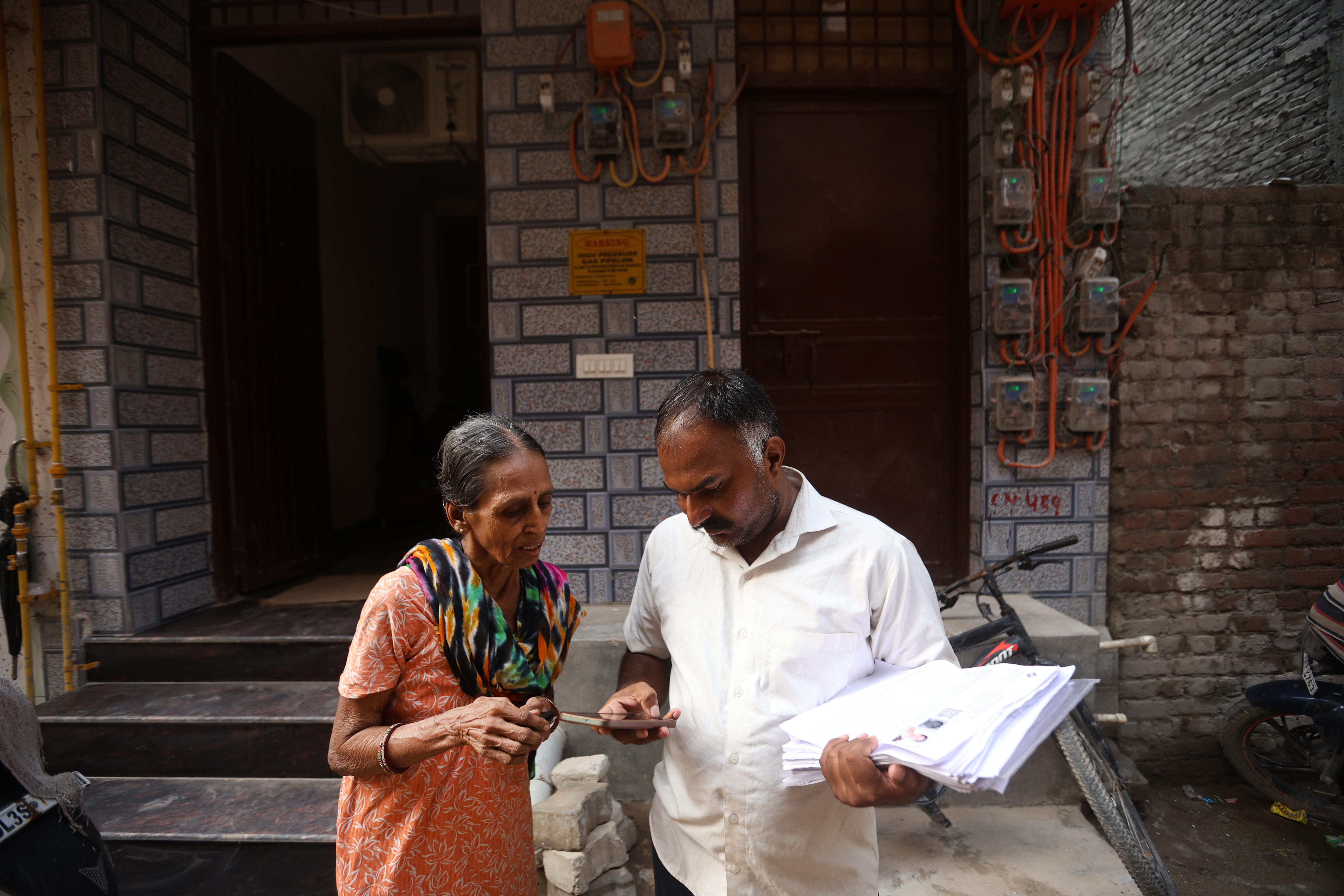
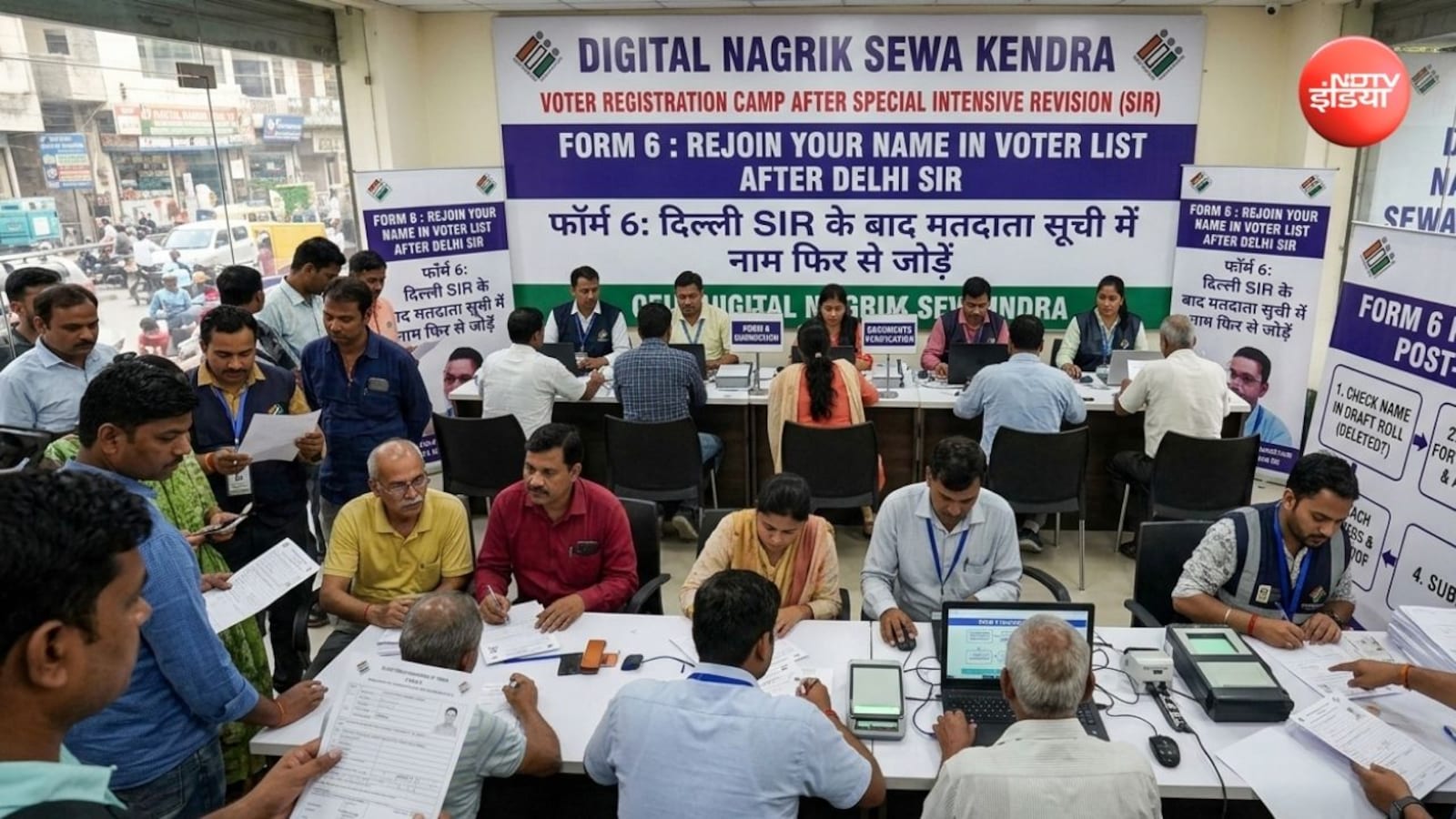
Delhi carried out a new check of its voter list called the Special Intensive Revision, or SIR.
After the draft list was released, many people found that their names had been removed or marked with incorrect information.
Civil society groups held a public hearing in Mangolpuri so residents could show their voter cards and explain problems.
They said many homes were not visited as required.
They also said voters were made to fill out new forms and prove links to an old 2002 voter list.
This was especially difficult for migrants and women who had moved after marriage.
The audit found examples of married couples receiving different voter-list statuses and one living man being marked dead.
Election officials defended the deletions they reviewed, saying some were based on information from families or field workers.
The article argues that public hearings and audits should happen before anyone is removed from the voter list.

A public audit in Mangolpuri examined alleged wrongful deletions from Delhi’s draft SIR voter list.
The draft list marked over 47 lakh voters as absent, shifted, dead, or duplicate, while another 11 lakh were dropped entirely.
Residents reported that house visits, fresh enumeration requirements, and citizenship mapping created major barriers to remaining on the rolls.
The audit found errors including spouses receiving different statuses and Kanta Prasad being listed as dead while attending the hearing.
The article calls for scrapping SIR or requiring public hearings and audits before electoral-roll additions or deletions.
- Who
- Residents of Mangolpuri, civil society groups, Booth Level Officers, the Election Commission of India, and the Chief Electoral Officer of Delhi.
- What
- A public audit examined alleged wrongful exclusions and deletions in Delhi’s draft Special Intensive Revision voter list.
- Where
- Mangolpuri, Delhi, at a public hearing covering one polling-station block.
- When
- The public hearing took place on September 5, four days after the draft list was published.
- Why
- The audit aimed to identify incorrect exclusions and demonstrate safeguards for eligible voters’ electoral rights.
Audit Criticism
Election Officials’ Position
Reliability of deletions
Audit Criticism
The public audit found wrongful deletions across all ASDD categories and described the process as arbitrary and flawed.
Election Officials’ Position
The Chief Electoral Officer’s office said the cases it reviewed were supported by field-level information or verification inputs.
Responsibility for registration
Audit Criticism
The article argues that requiring every voter to submit a new enumeration form improperly shifts the burden of maintaining the rolls from the Election Commission to citizens.
Election Officials’ Position
The SIR process proceeded through fresh forms, notices, field-level information, and procedures for voters seeking inclusion.
Appeals and remedies
Audit Criticism
The article says the same machinery implementing SIR is handling grievances and calls for public hearings or audits before deletions.
Election Officials’ Position
Chief Election Commissioner Gyanesh Kumar said zero appeals had been filed against deletions in 12 states where SIR was completed.
Key facts
- Voters marked ASDD
- Over 47 lakh were marked absent, permanently shifted, dead, or duplicate.
- Additional deletions
- About 11 lakh voters were dropped from the voter list altogether.
- Notices planned
- About 32 lakh voters were to receive notices.
- House visits
- The article says Booth Level Officers were required to make three visits, but many homes were not visited even once.
- 2002 voter list
- Voters were required to map themselves or their direct lineage to the 2002 list to prove citizenship.
- Audit finding
- In 95 houses, one spouse was marked shifted while the other remained on the SIR list.
- Official response
- The Delhi Chief Electoral Officer’s office defended the six deletions it addressed in a press note.
Quotes

Election Commission of India
India’s constitutional election management body
“In the case of Kanta Prasad, the elector was included in the ASDD list (under dead category) on the basis of information furnished by his family member, namely Shivanshu.”
 indianexpress.com
“No eligible voter to be left out, while no ineligible voter to be included in the Electoral Roll”
indianexpress.com
Sources
Related news
Delhi SIR Exclusions Exceed 2025 Winning Margins in 68 Seats
Delhi Draft Voter Roll Excludes 47 Lakh Names, Sparks Row
Congress Challenges Delhi SIR Over VIP Notices and Deletions
Delhi SIR Draft Roll Leaves 47.6 Lakh Voters Unlisted

Delhi BJP Defends Electoral Roll Revision Amid Kejriwal Criticism

CEC Voter Record Questioned; Office Says No Anomaly

TMC Leader Questions CEC Gyanesh Kumar’s Voter-Registration History

Dipke Alleges Money Power Behind ABVP’s DUSU Victory
Sibal Accuses Election Commission of Manipulating Electoral Rolls