10 hrs ago
India’s Gold Imports Fall as ETF Demand Surges
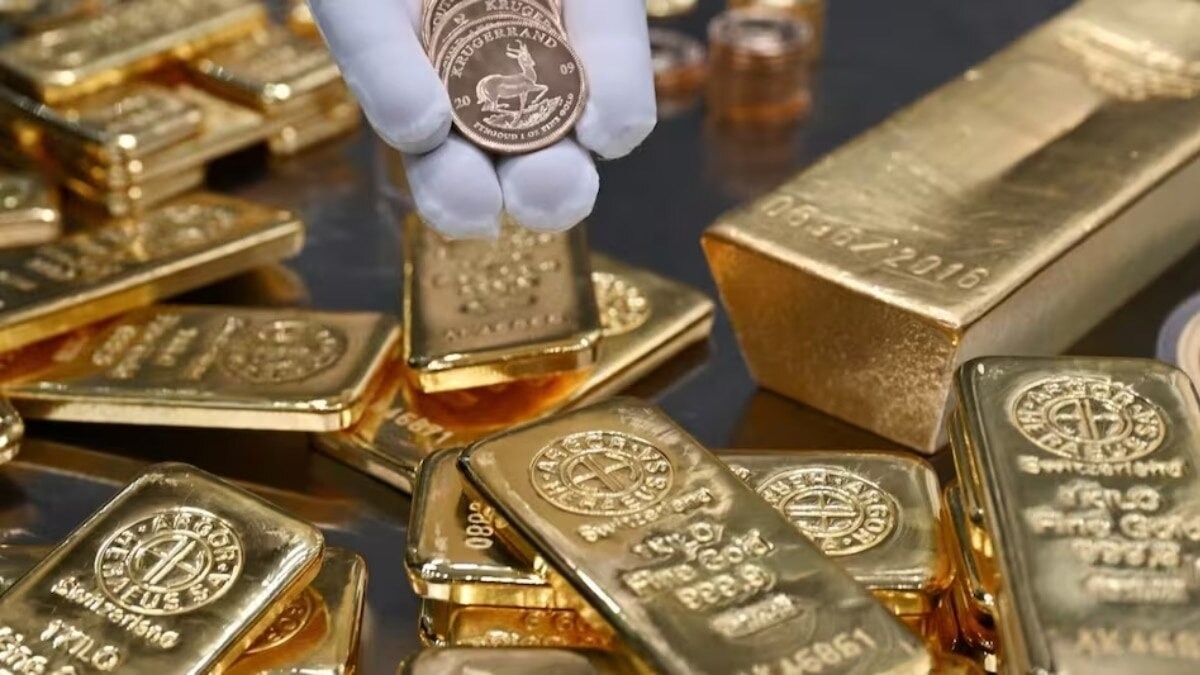
People in India buy gold mainly as jewellery or through investment funds.
Jewellery buying has slowed because gold prices are still expensive.
Wedding purchases have held up better than festive-season purchases.
Some shoppers are waiting for prices or import-duty changes before buying.
Gold exchange-traded funds, or ETFs, let people invest in gold without storing physical pieces.
These funds attracted strong investment in India and around the world.
This means people may still want gold as an investment even when they buy less jewellery.
Falling official imports do not necessarily show the full amount of gold households are buying.
Demand may be moving toward financial gold or unofficial channels.

India’s official gold imports have declined as elevated prices weigh on jewellery purchases.
Wedding-related demand has remained relatively resilient, while festive buying has become more cautious.
Indian gold ETF inflows reached ₹2,600 crore in August, according to Association of Mutual Funds in India data cited by ICICI Bank.
Global gold ETF inflows totaled $17.8 billion in August, with third-quarter 2026 demand reaching 144.7 tonnes.
Lower imports may reflect weaker household demand, buyers awaiting duty changes, or a shift toward unofficial channels.
- Who
- Indian jewellery buyers, gold investors, ICICI Bank, the Association of Mutual Funds in India, and Kotak Institutional Equities.
- What
- Official gold imports have fallen while demand for gold ETFs has increased.
- Where
- India, with additional global gold ETF data.
- When
- The divergence was reported alongside August data and expectations for the remainder of 2026; a May 13 import-duty increase was also cited.
- Why
- High gold prices are discouraging some jewellery purchases, while ETFs provide price exposure without requiring investors to buy or store physical gold.
Physical Gold Demand
Financial Gold Demand
Current buying behavior
Physical Gold Demand
Jewellery purchases are under pressure because gold prices remain high, although wedding demand has held up.
Financial Gold Demand
Investors continue using gold ETFs to gain exposure to gold prices without buying or storing physical metal.
Meaning of falling imports
Physical Gold Demand
Lower official imports may indicate weaker household purchases after the May 13 import-duty increase.
Financial Gold Demand
The decline may not represent total household demand because buyers could be delaying purchases or using unofficial channels.
Near-term outlook
Physical Gold Demand
Festive and wedding demand could support physical buying, but elevated prices may continue to limit discretionary purchases.
Financial Gold Demand
Strong ETF inflows and continued central-bank purchases may continue supporting gold prices despite higher US yields and a stronger dollar.
Key facts
- Domestic price movement
- ICICI Bank said Indian gold prices fell about 8% over the previous month but remained elevated.
- Indian ETF inflows
- Gold ETF inflows in India reached ₹2,600 crore in August.
- Global ETF inflows
- Global gold ETFs recorded $17.8 billion of inflows in August.
- Third-quarter demand
- Global gold ETF demand reached 144.7 tonnes in the third quarter of 2026.
- Price outlook
- ICICI Bank expects domestic gold prices to remain between ₹1.40 lakh and ₹1.60 lakh per 10 grams through the remainder of 2026.
- Demand pattern
- Wedding-related demand has been relatively resilient, while festive-season demand has been more cautious.
- Possible import explanations
- Kotak Institutional Equities cited weaker household purchases, buyers awaiting possible duty changes, or a shift toward unofficial channels.
Sources
Related news

Gold Sales Weaken During Ganesha Chaturthi as Prices Surge
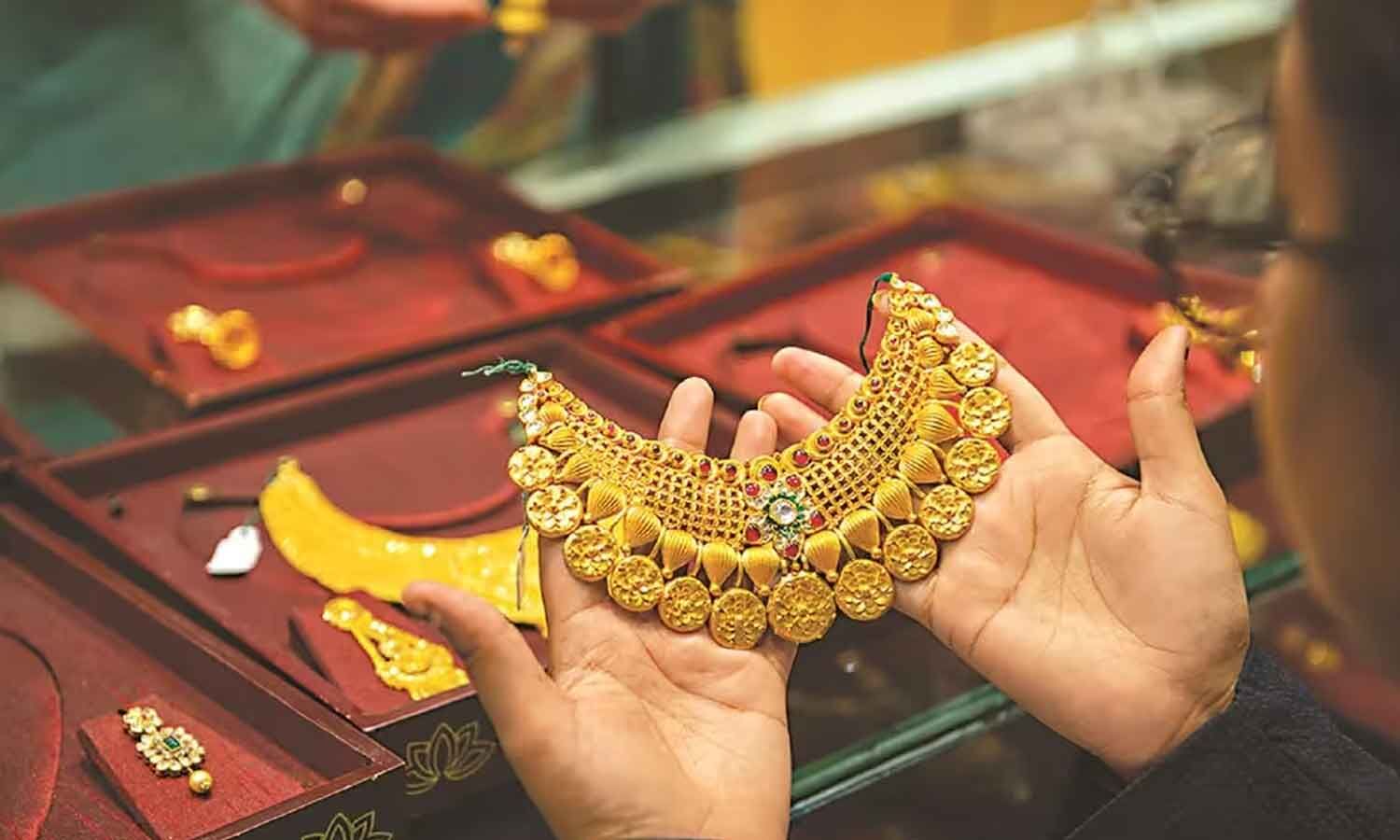
High gold prices prompt jewellery buyers to defer purchases
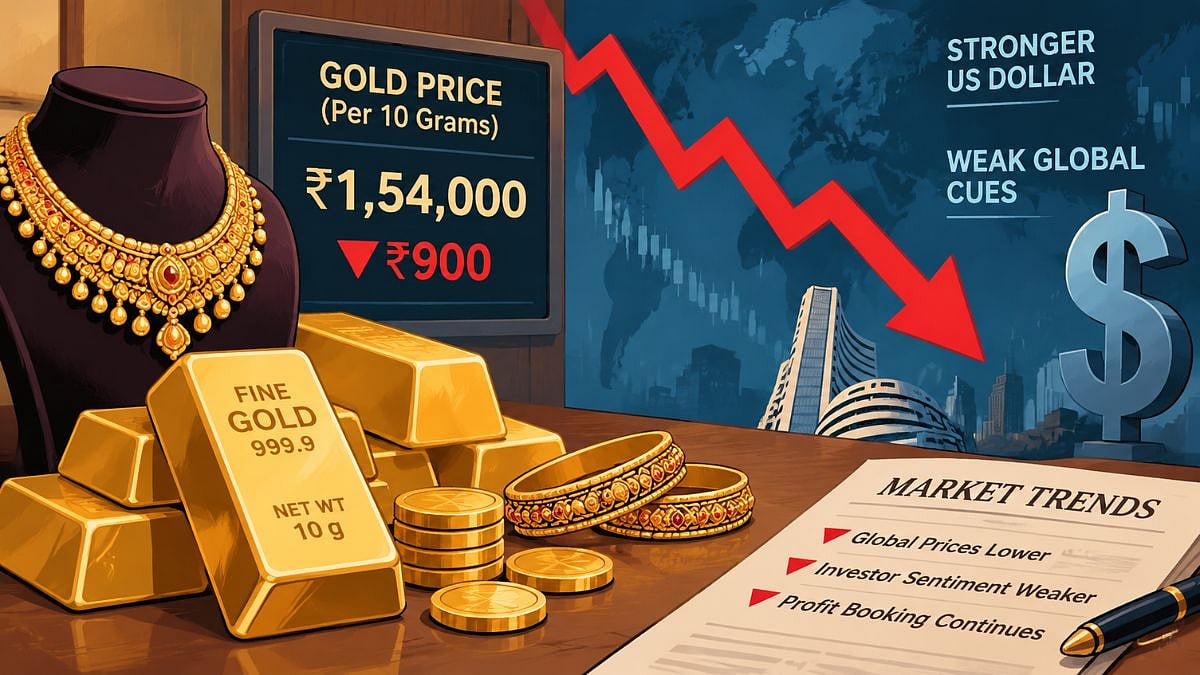
Gold Falls ₹900 as Strong Dollar Weighs on Bullion
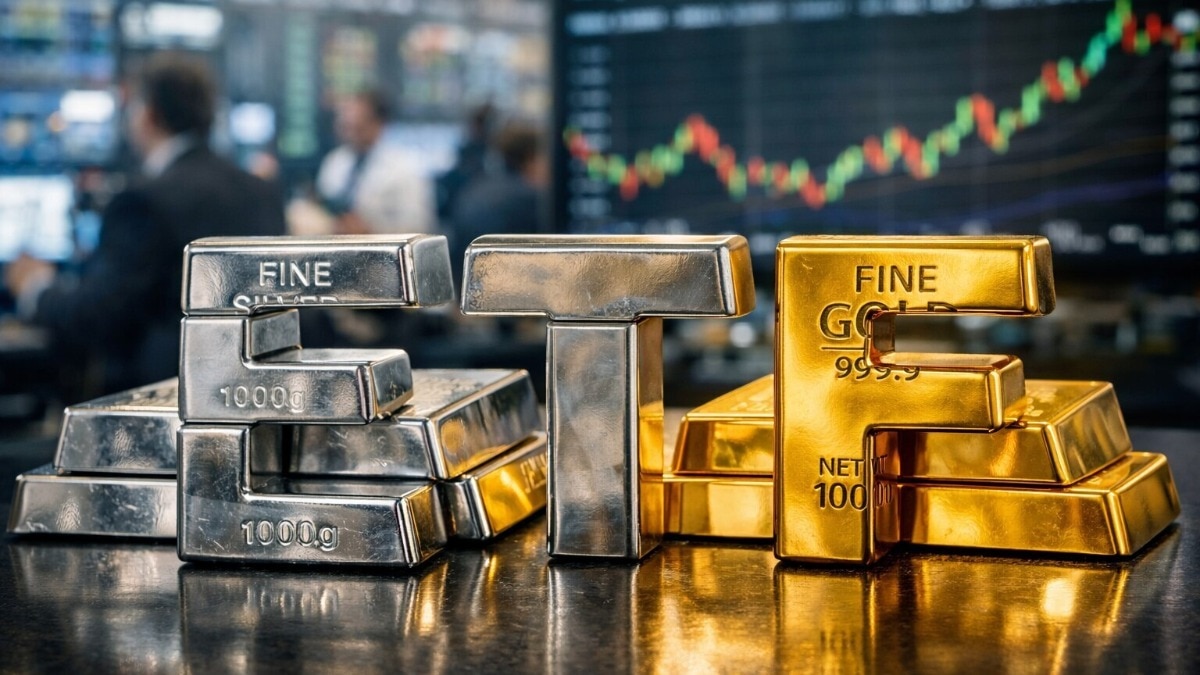
China, India and Japan Boost Asian Gold ETF Demand
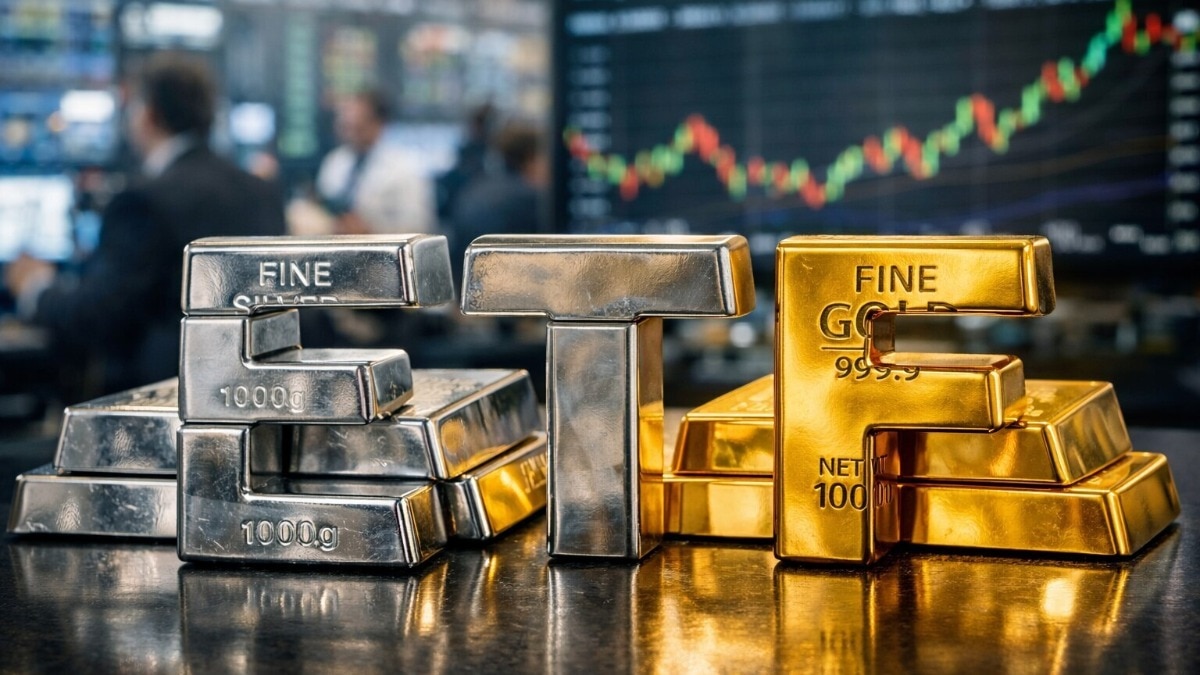
Combined Gold and Silver ETFs Outpace Equity ETFs in FY26
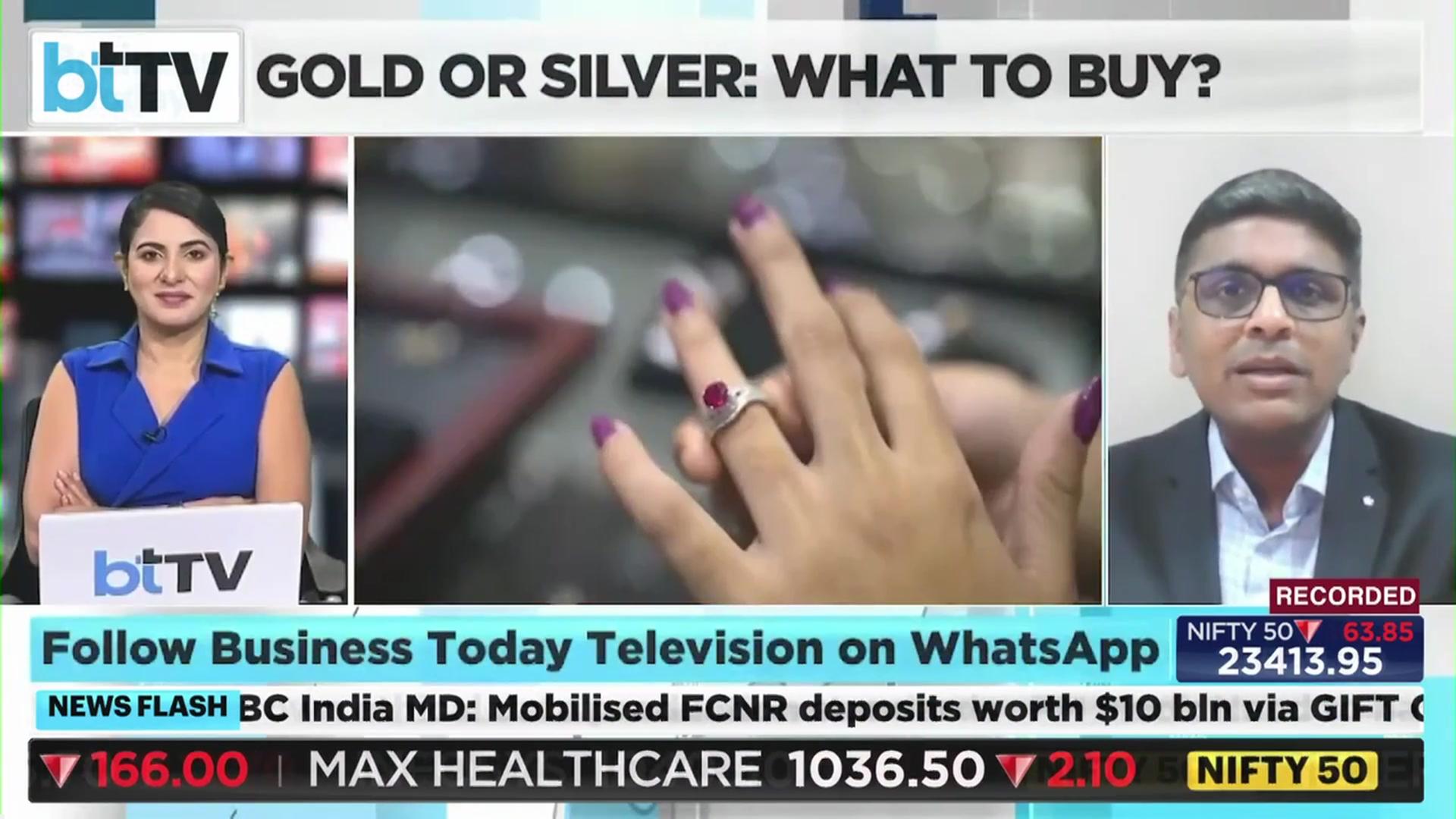
Navneet Damani Urges Festive Investors Toward ETFs, Bars and Coins

IWG Plans to Triple India Workspaces Within Three Years

Kotak Says Mid-Cap Rebalancing Erodes Historical Investment Relevance
Kotak Upgrades Mankind Pharma as Domestic Business Recovery Emerges

Analysts Split on Ather, PhysicsWallah and Indo-MIM Stocks