2 hrs ago
ICC Updates Cricket Rules on Time-Wasting, Balls and Fielding
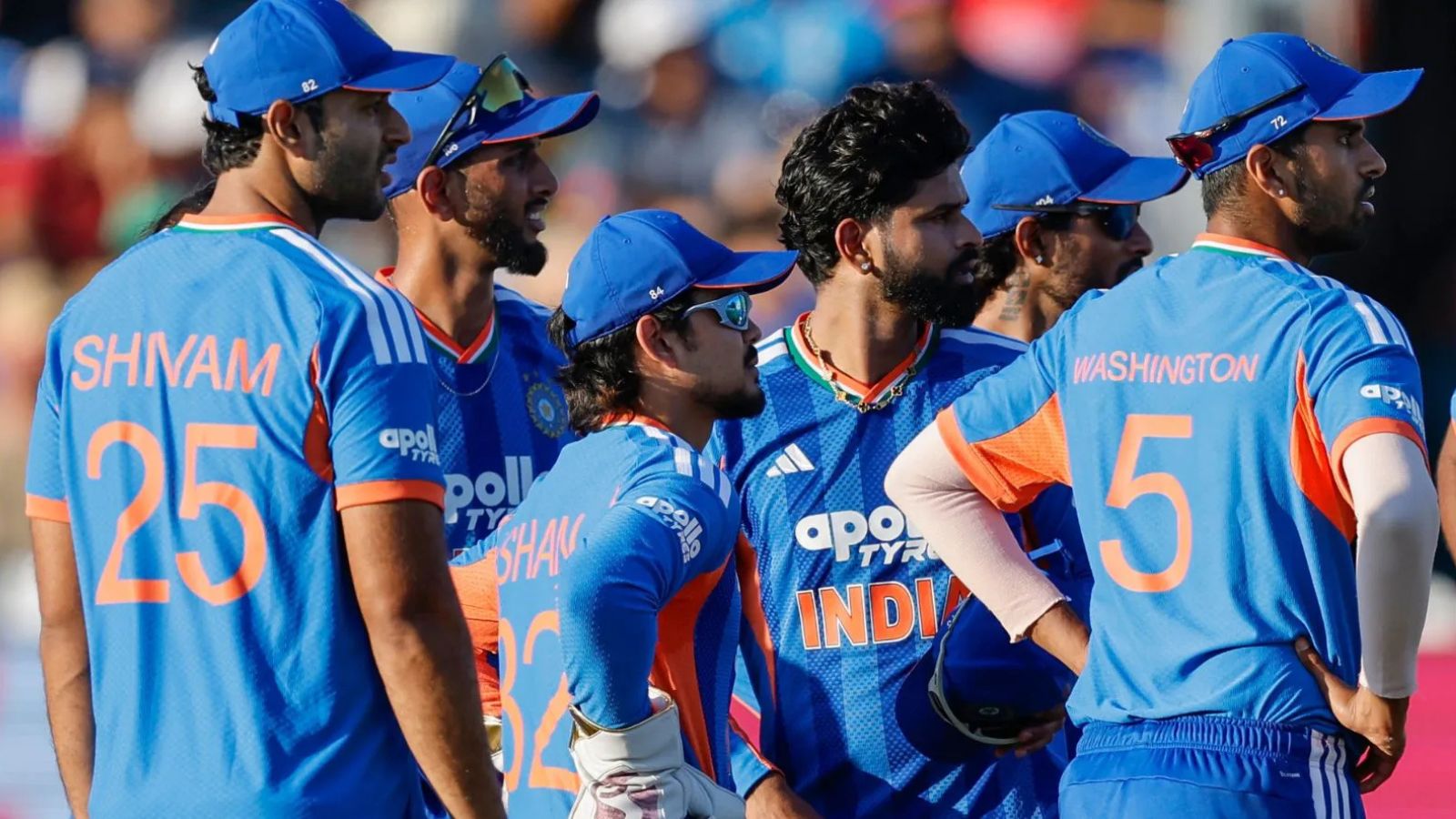
The International Cricket Council has changed several cricket rules.
The new rules begin with international series starting on 1 October or later.
A batter who is not ready in time gets a warning first and a final warning second.
A third time-wasting offence gives the other team five penalty runs, and later offences can also bring five runs.
Cricket balls will now have separate size and weight limits for men, women and juniors.
The rules explain more clearly what counts as an overthrow and when a fielder has properly controlled the ball.
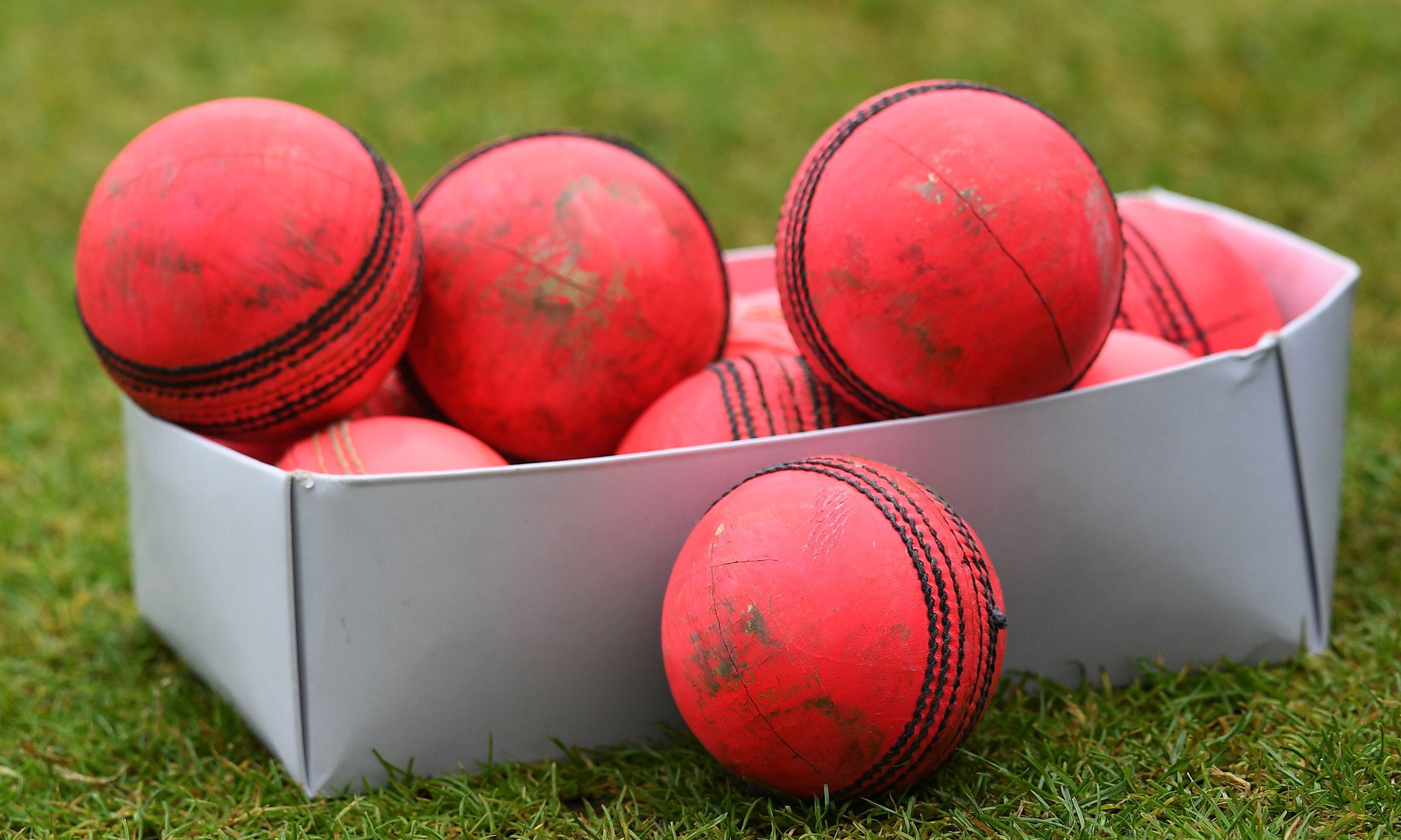
Teams may agree to use a pink ball for an entire daytime Test to help when bad light stops play.
In Tests, an incomplete final over of the day may continue after a wicket if conditions are safe.
Other changes affect T20I intervals, coaches attending drinks breaks and leg-side wides in limited-overs cricket.

The International Cricket Council introduced updated playing conditions for international cricket, covering time-wasting, balls, fielding and match procedures.
The changes apply to international series beginning on 1 October or later, while ongoing series continue under previous regulations.
In men’s cricket, batters receive a warning for a first time-wasting offence, a final warning for a second, and five penalty runs for the third and each later offence.
New rules set separate size and weight specifications for men’s, women’s and junior cricket balls and clarify overthrows, settled balls and fielder control.
The changes also allow mutually agreed pink balls in daytime Tests, keep play going after an incomplete final over, and revise ODI and T20I intervals, drinks access and wides.
- Who
- The International Cricket Council introduced the changes, affecting international teams, batters, fielders, umpires and match officials.
- What
- The ICC updated playing conditions covering time-wasting penalties, ball specifications, fielding decisions, Test procedures and ODI and T20I procedures.
- Where
- The rules apply to international cricket, including Tests, ODIs and T20Is, for both men and women where specified.
- When
- The changes apply to international series beginning on 1 October or later; ongoing series continue under the previous regulations.
- Why
- The ICC said the changes are intended to improve the pace of the game, clarify regulations, standardise equipment and reduce lost play from bad light.
Key facts
- Rule authority
- International Cricket Council
- Implementation
- The revised conditions apply to series starting on 1 October or later.
- Time-wasting penalty
- In men’s cricket, the third and each subsequent batter time-wasting offence brings five penalty runs to the fielding side.
- Ball specifications
- Separate size and weight specifications now apply to men’s, women’s and junior cricket balls.
- Pink-ball trial
- Teams may mutually agree before a daytime Test to use a pink ball for the entire match.
- Test final over
- An incomplete final over of the day may continue after a wicket if weather and conditions permit.
- T20I interval
- The interval is fixed at 15 minutes but may be reduced to a minimum of 10 minutes when time has been lost.
- Limited-overs changes
- The head coach or designate may enter during ODI and T20I drinks intervals, and the leg-side wide trial is now permanent in both formats.
Quotes

International Cricket Council (ICC)
The international governing body for cricket
“There are some important changes to the Playing Conditions, including provisions relating to cricket balls, greater clarity around certain aspects of fielding and measures aimed at improving the pace of the game. These changes have been carefully considered to ensure the Playing Conditions continue to reflect the needs of the modern game while maintaining its integrity and consistency. I am pleased with the quality of the discussions throughout the process and the constructive approach taken by8”
 republicworld.com
“As a trial, pink balls may be used in daytime Tests by mutual agreement to reduce loss of play due to bad light. The use of a pink ball must be agreed before the start of the Test and once agreed, must apply for the duration of the match.”
 indianexpress.com
Sources
Related news
ICC Approves Trial of Pink Balls in Daytime Tests

ICC Allows Pink Ball in Daytime Tests, Changes End-of-Day Rule

Cricket Law Changes Seek Better Balance Between Bat and Ball
DDCA Hosts MCC Workshop Ahead of New Cricket Laws
Pakistan Faces ICC Punishment After England Test Series Whitewash
Red Line Explains ICC’s New Leg-Side Wide Rule

Bigg Boss Bangla Evicts Sohini Paul, Welcomes Anuska Ghosh

Joe Root Recalls Tendulkar, Dravid and Ganguly at Headingley

CAB Plans Centenary Celebrations, Seeks Special India Game