3 days ago
Nepal Issues Fresh Flood Warning as Bhote Koshi Rises Further

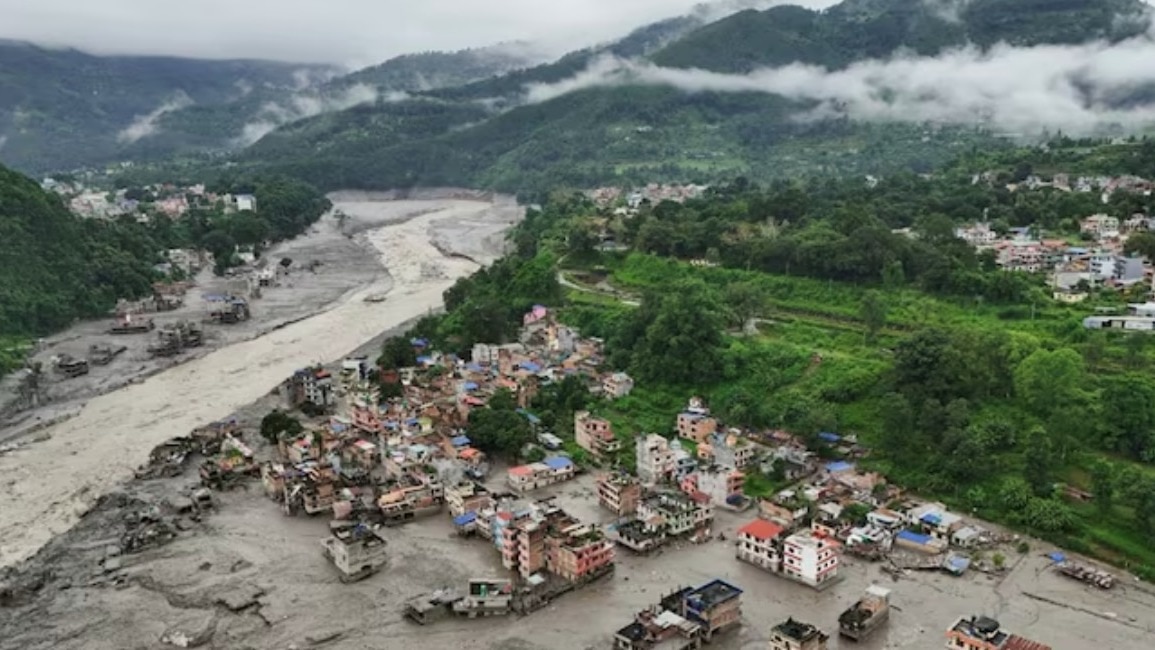
Nepal has issued another warning because the Bhote Koshi River is carrying more floodwater.
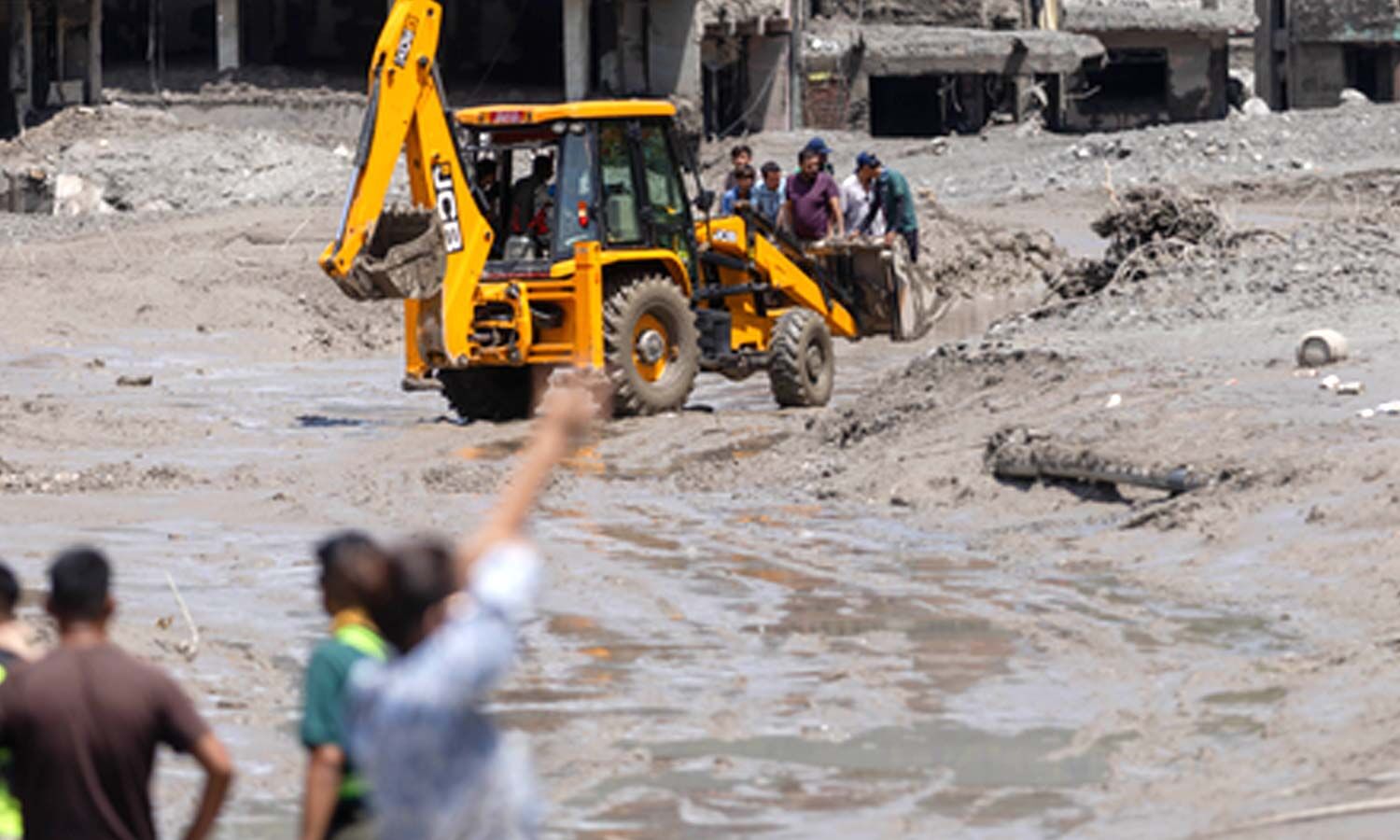
People who live near rivers and workers helping with rescues have been told to stay alert.
The Trishuli River farther downstream is also much higher than usual.
Officials say a blocked stream has created a lake behind a natural wall of debris.
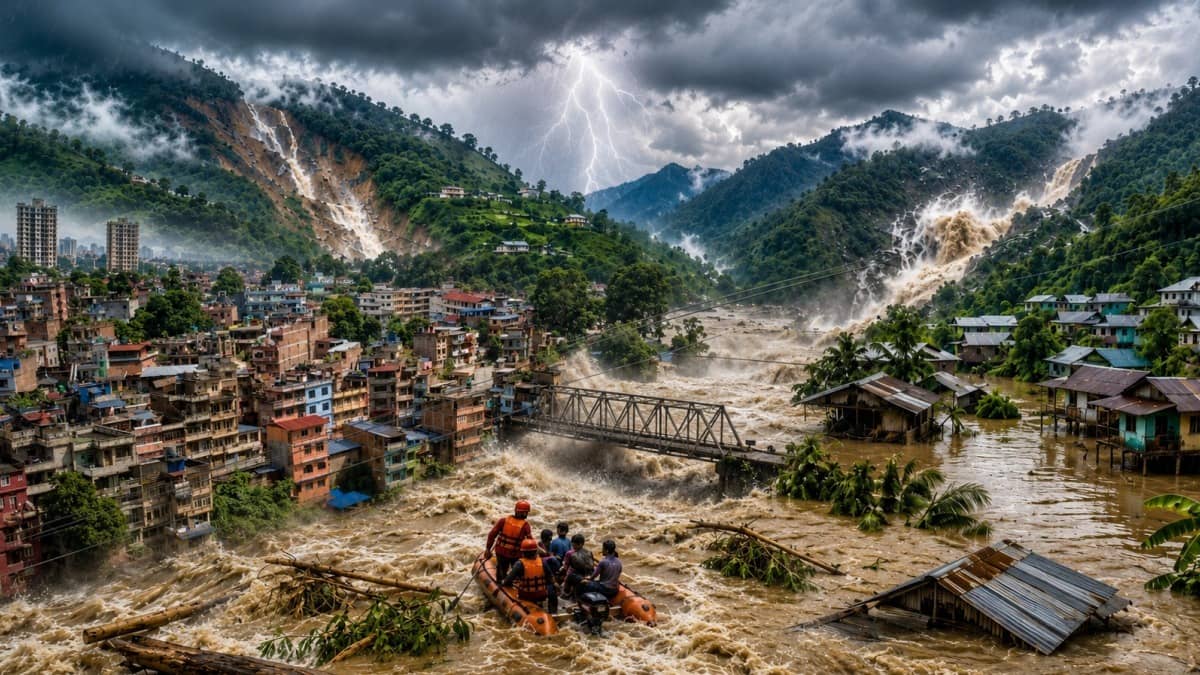
If that wall breaks, a large amount of water could rush downstream and cause another flood.
Reports place the risky lake near the Lhende Khola, while another report describes a barrier lake at the meeting point of two other rivers.
China said as much as 3 million cubic metres of water could enter the lake over three days.
Officials in Nepal and China are monitoring the situation and asking people to stay away from riverbanks.

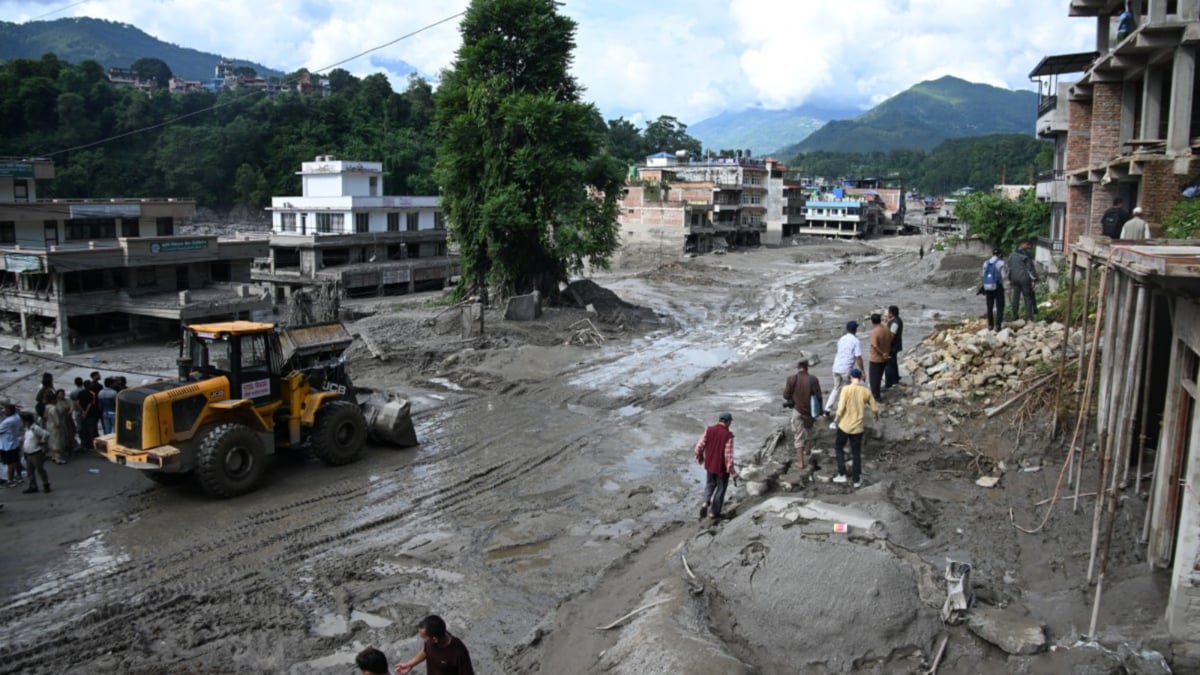
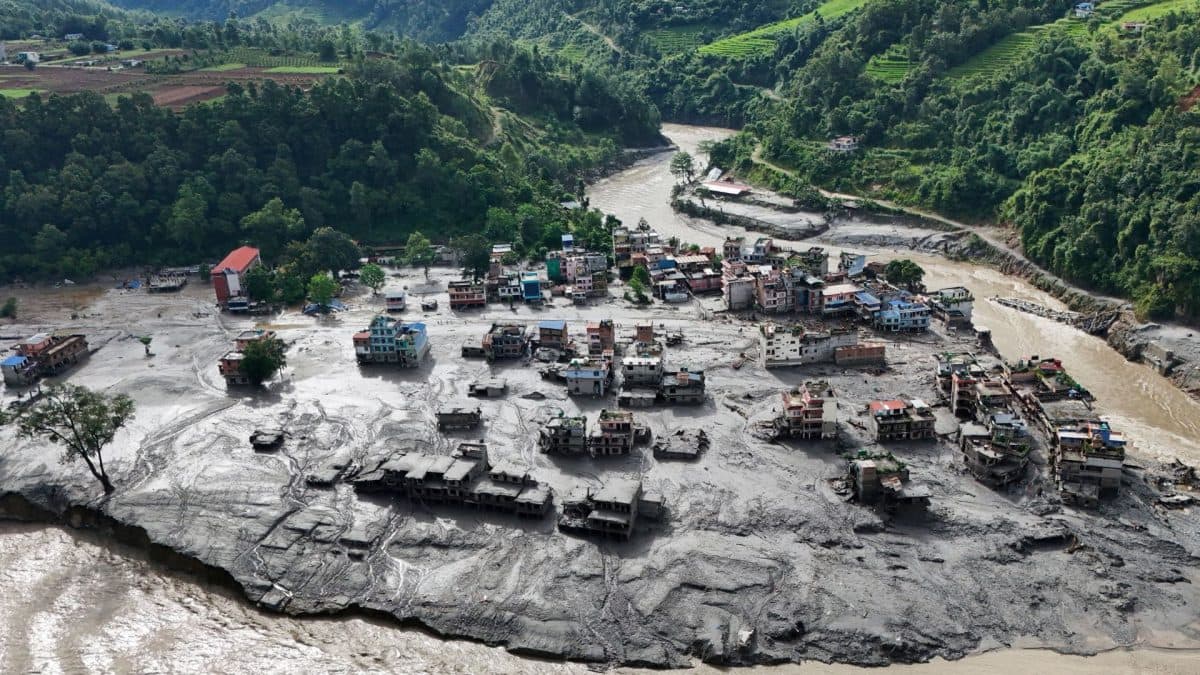
Nepal’s disaster authority warned that flooding in the Bhote Koshi River in Rasuwa had increased further.
Search, rescue, and relief personnel and riverside residents in Rasuwa, Nuwakot, Dhading, Chitwan, and nearby areas were urged to remain alert.
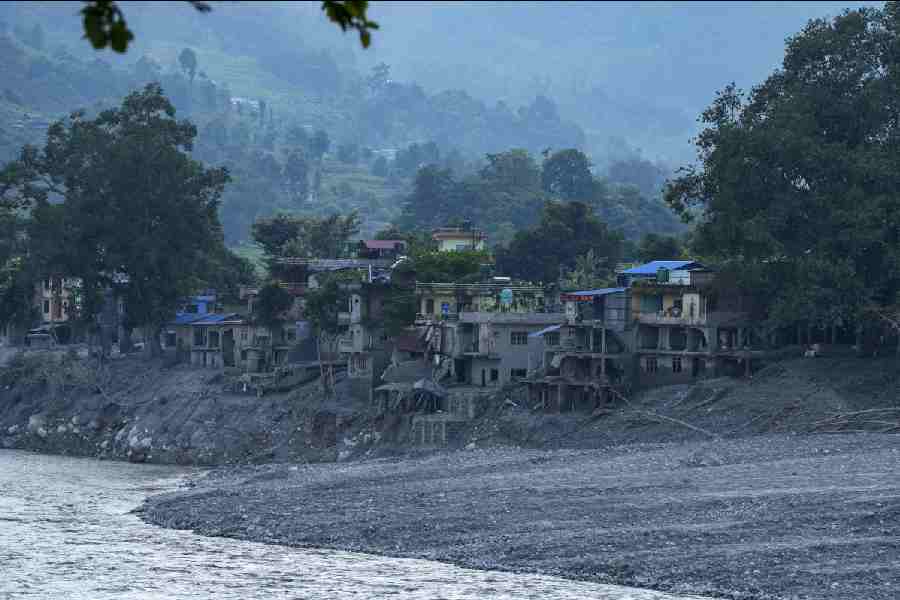
The Trishuli River in Dhading’s Galchhi area was reported to be 3 metres above its usual level after flooding from the Bhote Koshi area.
Authorities said an obstruction on the Lhende Khola, about 18 kilometres from Rasuwagadhi, had formed a lake covering approximately 0.11 square kilometres.
Reports also described a debris-blocked barrier lake near the Chhochen Khola and Purepu Tsangpo rivers, with about 2.5 million cubic metres of water accumulated by Friday and a risk of breaching.
- Who
- Nepal’s National Disaster Risk Reduction and Management Authority, hydrology officials, rescue personnel, riverside residents, and Chinese water authorities.
- What
- A fresh flood warning was issued as Bhote Koshi flooding increased, while authorities monitored one or more potentially dangerous debris-blocked lakes.
- Where
- Rasuwa, Nuwakot, Dhading, Chitwan, and downstream areas in Nepal, including the Galchhi area of Dhading; the reported barrier lakes are near the Nepal-China border and Gyirong Port.
- When
- The latest warning was issued on Sunday morning; reports also refer to events and assessments from August 26–27, 2026, with peak lake inflow expected around September 1.
- Why
- River levels were rising, and natural debris dams were holding back lakes that could breach and trigger additional flooding.
Lower Immediate Risk
Potential Major Flood Risk
Assessment of danger
Lower Immediate Risk
A Department of Hydrology and Meteorology official said there was not much risk because people had already moved away from riverside areas.
Potential Major Flood Risk
The National Disaster Risk Reduction and Management Authority warned that a natural dam could burst and trigger another major flood.
Extent of the lake threat
Lower Immediate Risk
The available reports do not establish that a breach is imminent.
Potential Major Flood Risk
Nepal and China reported that water levels were continuing to rise; China also warned that forecast rainfall could further increase the breaching risk.
Key facts
- River under warning
- Bhote Koshi River
- Downstream river level
- The Trishuli River at Galchhi was reported 3 metres above usual levels.
- Affected districts named
- Rasuwa, Nuwakot, Dhading, and Chitwan
- Lhende Khola lake
- Approximately 0.11 square kilometres, formed about 18 kilometres upstream from Rasuwagadhi
- Other barrier lake
- About 2.5 million cubic metres had accumulated by Friday near the Chhochen Khola and Purepu Tsangpo rivers.
- Potential incoming water
- China’s Water Ministry estimated that 3 million cubic metres could flow into the lake over three days.
- Reported flood casualties
- The articles differ: one reports 626 deaths, while another reports 675 deaths and 2,498 people out of contact, including 589 foreigners.
Quotes
Nepal’s National Disaster Risk Reduction and Management Authority
Nepal’s disaster management authority
“As there remains a risk that the natural dam holding back the lake could burst, potentially triggering another major flood, residents in downstream areas and all concerned are requested to remain alert and exercise extreme caution.”
 thehansindia.com
“All those engaged in search, rescue and relief operations in affected areas, including Rasuwa, Nuwakot, Dhading and Chitwan districts, those staying along the riversides, and all other concerned are requested to remain alert.”
thehansindia.com
Zhu Jinfeng
Researcher in China’s water resources ministry hydrology department
“The volume of water is continuing to increase, and so is the risk.”
 businesstoday.in
Sources
Related news
Nepal Issues Fresh Flood Warning as Bhote Koshi Rises
China Warns New Barrier Lake Could Trigger Another Nepal Flood
Nepal Issues High Alert as Bhote Koshi River Rises Again

New Barrier Lake Raises Second Flood Risk In Nepal
Nepal Issues Fresh Bhote Koshi Flood Alert Amid Deluge
China Warns Nepal Barrier Lake Could Breach Within 72 Hours
Tibet Opens Hotlines for Foreign Nationals Missing After Floods
Sixteen Keralites Return Safely as Nepal Flood Rescue Continues
US Pledges $3.6 Million Aid as Nepal Flood Crisis Deepens