

2 hrs ago
Why Kashmir Travel Advisories Matter Far Beyond Tourism
The United States currently tells most travelers not to visit Jammu and Kashmir because of security concerns.
This has reduced the number of Western visitors to Kashmir.
Tourism is affected, but many other businesses are affected too.
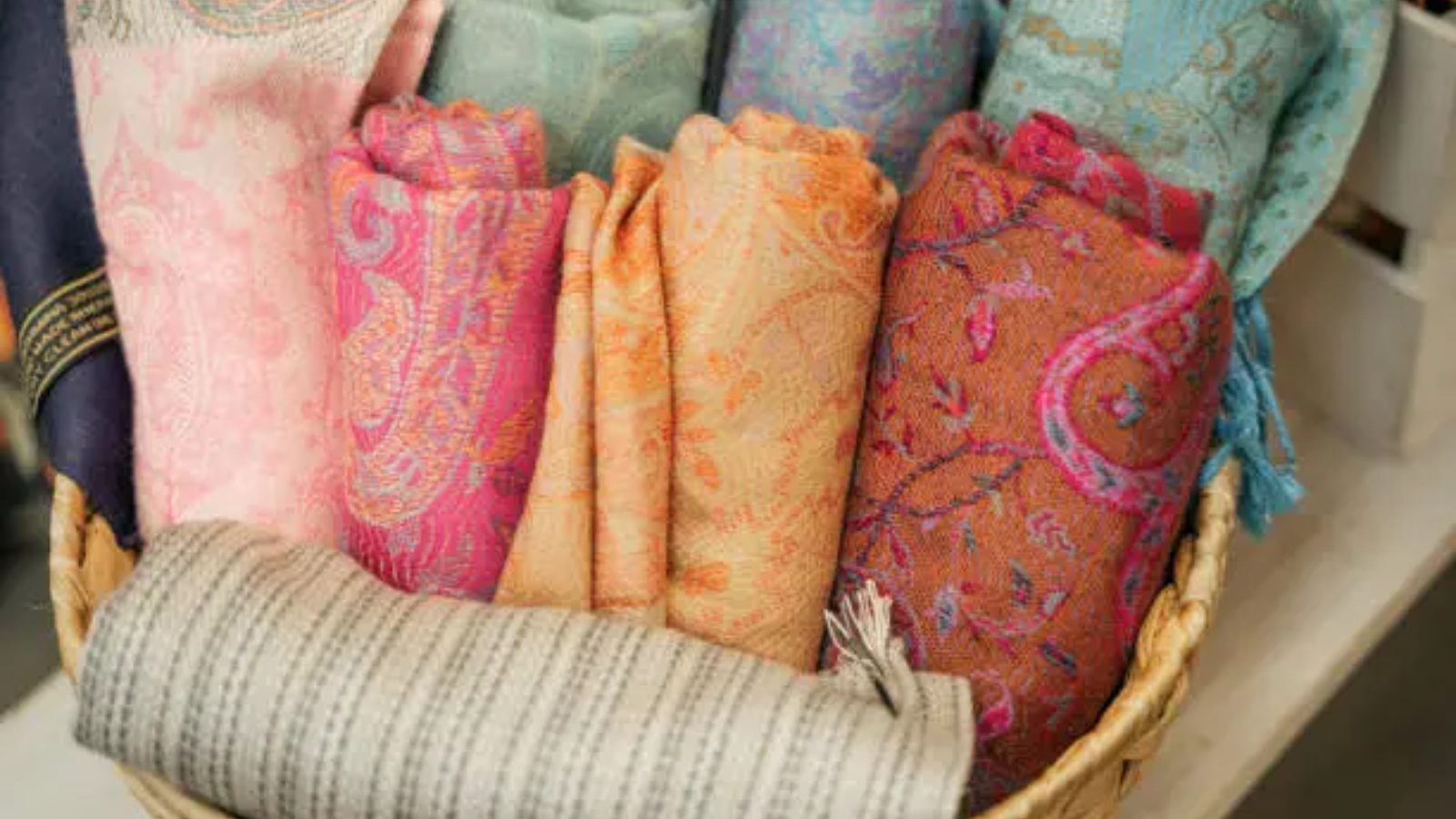
Kashmir makes carpets, pashmina, wood carvings, embroidery and papier-mâché products.
If buyers from other countries could visit, they could meet artisans and purchase goods more directly.
This could reduce the number of middlemen and help local businesses earn more.
Visitors could also tell businesses what products and designs customers want.
The authors say that easing travel warnings could build confidence and help Kashmir’s wider economy.

The United States advises against travel to Jammu and Kashmir, except for eastern Ladakh and Leh, citing civil unrest and terrorism.
Kashmir’s handicraft sector could gain from greater access to buyers in the United States, Europe and the Middle East.
Direct visits by wholesale buyers could reduce middlemen, improve margins and create shorter, more stable supply chains.
Travel access could improve market feedback, product design, collaboration and trust between Kashmiri businesses and global customers.
The authors argue that removing advisories could signal greater stability and support internet access, transport reliability and broader economic development.
- Who
- The United States, Western governments, Kashmiri tourism and handicraft businesses, artisans and international buyers are involved; U.S. Ambassador Sergio Gor discussed the advisory during a visit to Srinagar.
- What
- The article examines how Western travel advisories affect Kashmir’s tourism and handicraft exports, and how removing them could support economic growth.
- Where
- Jammu and Kashmir, particularly the Kashmir Valley and Srinagar, with export connections to the Middle East, Europe, the United States and Mumbai.
- When
- The issue was discussed during Sergio Gor’s recent visit to Srinagar; the advisories have been in place for many years.
- Why
- The advisories cite civil unrest and terrorism, while the authors argue that they also restrict tourism, business relationships, market information, investment confidence and export activity.
Case for easing advisories
Reasons for maintaining advisories
Economic impact
Case for easing advisories
Removing or relaxing advisories could increase tourism, connect handicraft businesses with global buyers and create opportunities for investment and exports.
Reasons for maintaining advisories
The existing advisory reflects stated concerns about civil unrest and terrorism in Jammu and Kashmir.
Business relationships
Case for easing advisories
Allowing wholesale buyers and designers to visit could reduce middlemen, improve product development and build trust with artisans and firms.
Reasons for maintaining advisories
Without a change in the security situation, travel restrictions continue to limit direct contact between international buyers and Kashmiri businesses.
Signal about stability
Case for easing advisories
A policy change could signal greater stability and encourage other Western countries to follow, according to people quoted in the article.
Reasons for maintaining advisories
The continued advisories signal that Western governments retain concerns about security risks and governance in the region.
Key facts
- Current U.S. guidance
- The United States recommends no travel to Jammu and Kashmir except eastern Ladakh and Leh.
- Stated security reasons
- The advisory cites civil unrest and terrorism.
- Affected industries
- Kashmir’s handicrafts include wood carving, pashmina, hand-knotted carpets, papier-mâché and embroidery.
- Key export markets
- The article identifies the Middle East, Europe and the United States as important or promising markets.
- Supply-chain problem
- U.S.-bound products are primarily routed through the Middle East, where intermediaries capture part of the value.
- Potential business benefit
- Buyer visits could support direct relationships, market feedback, collaboration and greater trust.
- Other economic factors
- The article links economic growth to reliable internet access and dependable transport to export hubs such as Mumbai.
Quotes
Mujtaba Qadri
Founder of the luxury pashmina brand Me&K
“Lifting negative travel advisories would immensely benefit Kashmir’s handicrafts by reconnecting us with global buyers and designers. They need to come here, meet artisans and craft houses, understand the techniques and develop designs together. If the US relaxes its advisory, I believe other Western countries will follow, opening vital new opportunities.”
 indianexpress.com
“Businesses intending to source from Kashmir shall have a lot more confidence, especially because they are not worried about the supply chain. This shall also help with building the craft sector as more entrepreneurs will have access to investors through this confidence-building exercise.”
indianexpress.com
Sources
Related news
US Advisory Review Raises Hopes for Foreign Tourists in Kashmir

US Envoy Signals Possible Easing of Kashmir Travel Advisory
US Envoy’s Srinagar Visit Signals Changing Kashmir Realities

Sergio Gor’s Kashmir Visit Revives Debate Over US Travel Advisory

US Envoy Calls Kashmir Important Part of India Amid Tensions

J&K Handicraft Exports Rise as Artisans Report Stagnant Returns
US Invites India to Join NASA’s Moon Base Programme
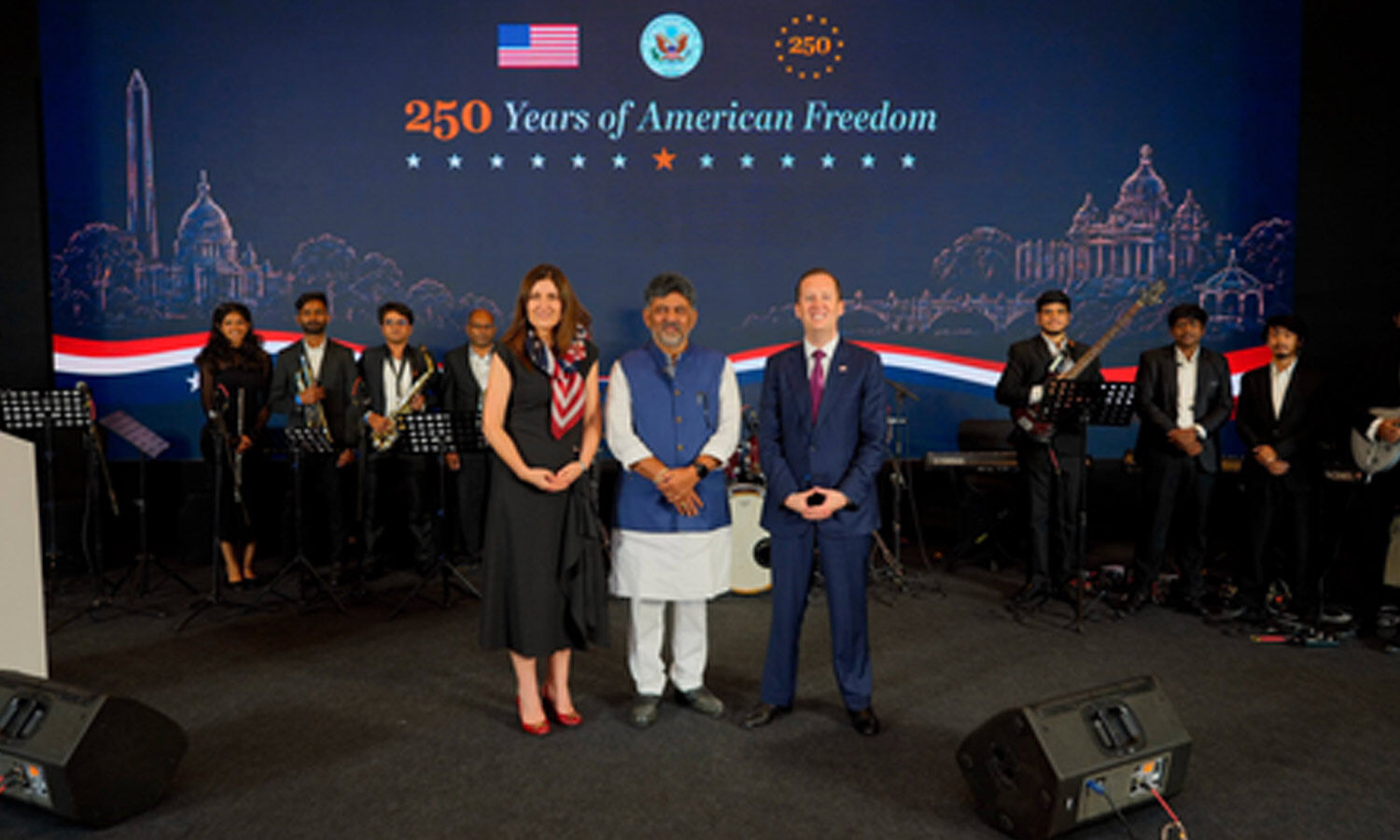
US Ambassador Launches TRUST Fellowship for Critical Technology Collaboration
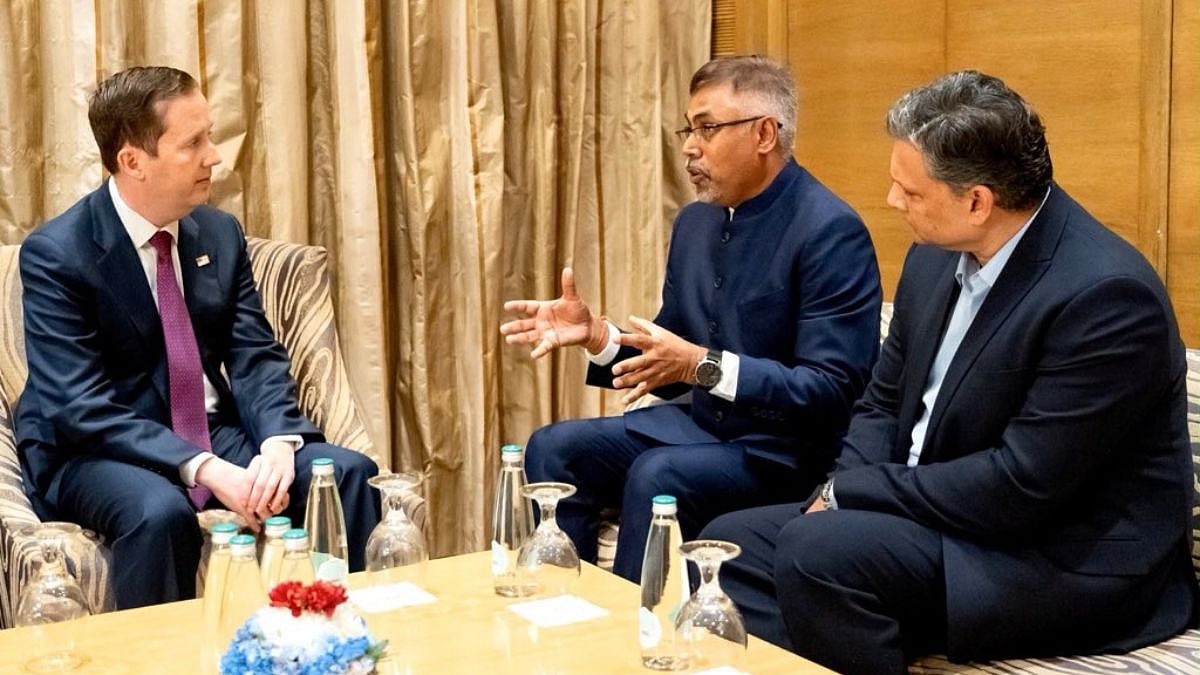
Sergio Gor Seeks More US Business Opportunities in India
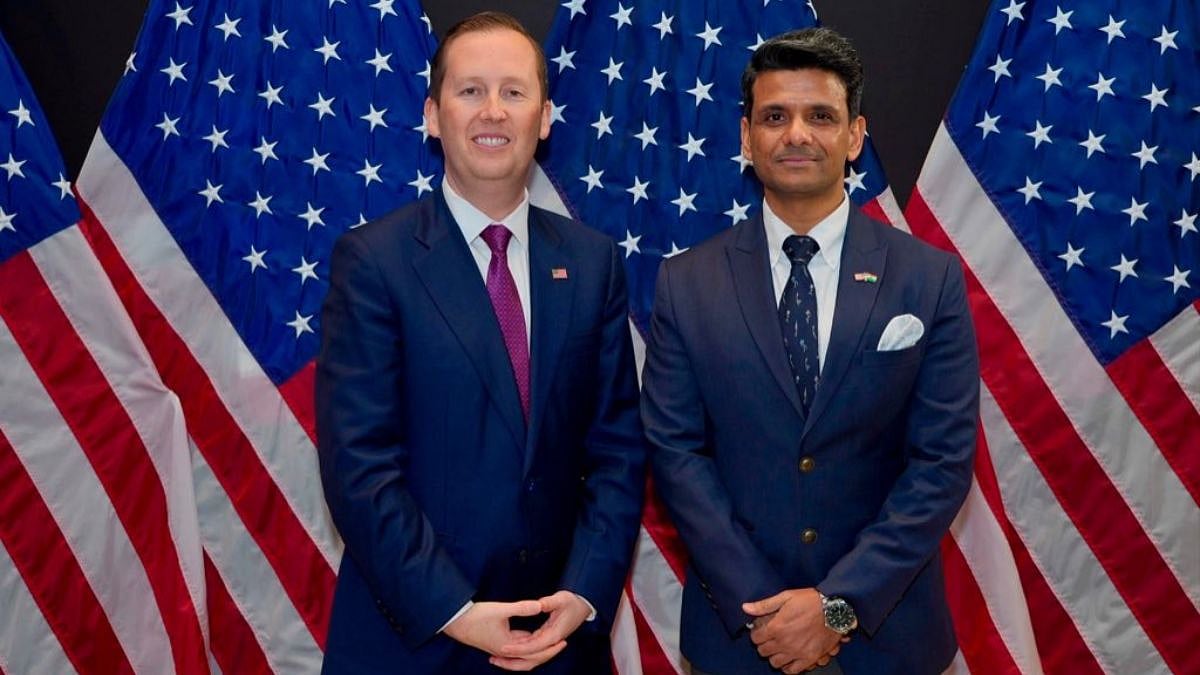
Sergio Gor Highlights Expanding US-India Space And Defence Ties
