2 hrs ago
Nobel Peace Prize Honors Jurist Navanethem Pillay’s Legal Work
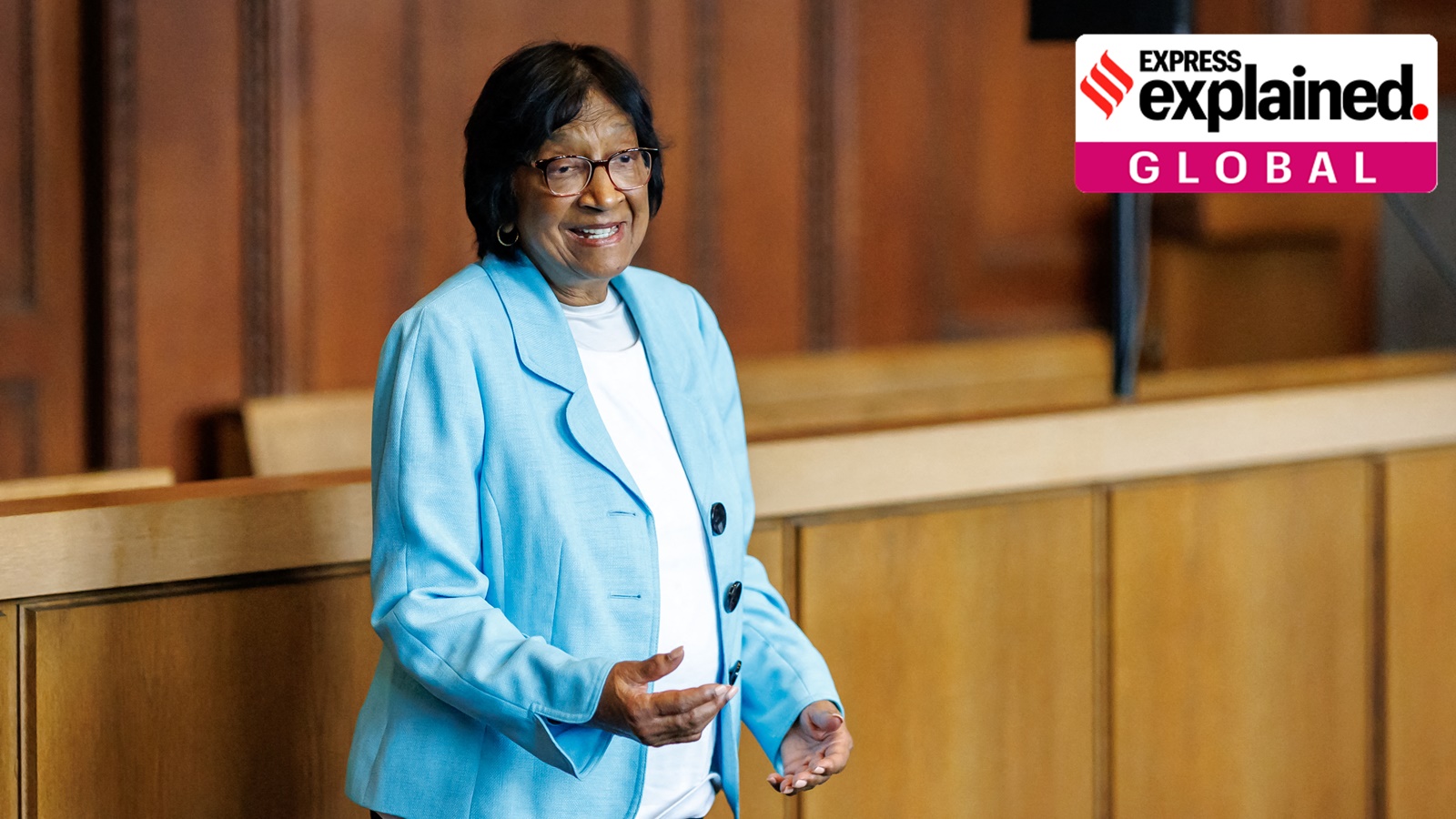
Navanethem Pillay is a South African lawyer and judge who received the 2026 Nobel Peace Prize.
She began her career when apartheid laws discriminated against Black South Africans.
She defended people opposing apartheid, including Nelson Mandela.
Later, she served as a judge at a tribunal investigating the Rwandan genocide.
That tribunal helped establish that rape can be a way of carrying out genocide.
It also recognized that propaganda can help fuel genocide.
Pillay has held roles in international courts and United Nations investigations.
The Nobel Committee said her work shows why laws and justice matter for peace.
It also said the world faces serious challenges, including more wars and conflicts.

Navanethem “Navi” Pillay received the 2026 Nobel Peace Prize on October 9.
The Nobel Committee cited her courage and role in advancing a comprehensive global legal order.
Pillay was a prominent anti-apartheid lawyer and later became a judge on the International Criminal Tribunal for Rwanda.
The Rwanda tribunal helped establish that rape can be used as a means of genocide and held media figures responsible for inflammatory broadcasts.
Pillay has also served as an ad hoc International Court of Justice judge and chaired a UN commission examining the occupied Palestinian territory.
- Who
- South African jurist Navanethem “Navi” Pillay.
- What
- She was awarded the 2026 Nobel Peace Prize for her work advancing international law and accountability.
- Where
- The award was announced by the Norwegian Nobel Committee; Pillay’s work discussed in the article spans South Africa and international legal institutions.
- When
- Friday, October 9, 2026, according to the article.
- Why
- The committee cited her courage and contribution to a more comprehensive global legal order, including efforts to prosecute war crimes, crimes against humanity, and genocide.
International law as essential
Concerns about enforcement
International law’s role in peace
International law as essential
The Nobel Committee said national and international rule of law are necessary for peace and nonviolent conflict resolution, and that peace requires justice.
Concerns about enforcement
The article notes criticism that bodies such as the United Nations and International Court of Justice have limited power to stop violence.
Support for justice mechanisms
International law as essential
Pillay has argued that justice should be integral to peace processes and needs greater support from states.
Concerns about enforcement
The article describes concerns that international institutions can be criticized for their limited ability to enforce decisions or prevent acts of violence.
Key facts
- Award
- 2026 Nobel Peace Prize
- Recipient
- Navanethem “Navi” Pillay, a South African jurist
- Age stated in article
- 85
- Anti-apartheid legal career
- Became the first Black woman to start a law practice in Natal Province in 1967 and later the first to serve on its High Court.
- Rwanda tribunal
- Served as a judge at the International Criminal Tribunal for Rwanda for eight years.
- UN commission
- Chaired the UN Independent International Commission of Inquiry on the Occupied Palestinian Territory from 2021 to 2025.
- Current court role described
- An ad hoc judge on the International Court of Justice in a case alleging genocide against the Rohingya by Myanmar.
Quotes

Navanethem Pillay
South African jurist and 2026 Nobel Peace Prize laureate
“When Nelson Mandela was first charged, he refused to plead as he had no trust in an apartheid court. The magistrate responded that it was a white man’s court and that it would remain that way… We were taught that apartheid law even if immoral, could never be questioned.”
 indianexpress.com
“I’m 82. Many people asked me: “When are you going to stop?” As long as there are human rights violations and someone is suffering, why wouldn’t you care? We have to continually recite the principles… That’s what keeps me optimistic, that we have a duty.”
indianexpress.com
Sources
Related news
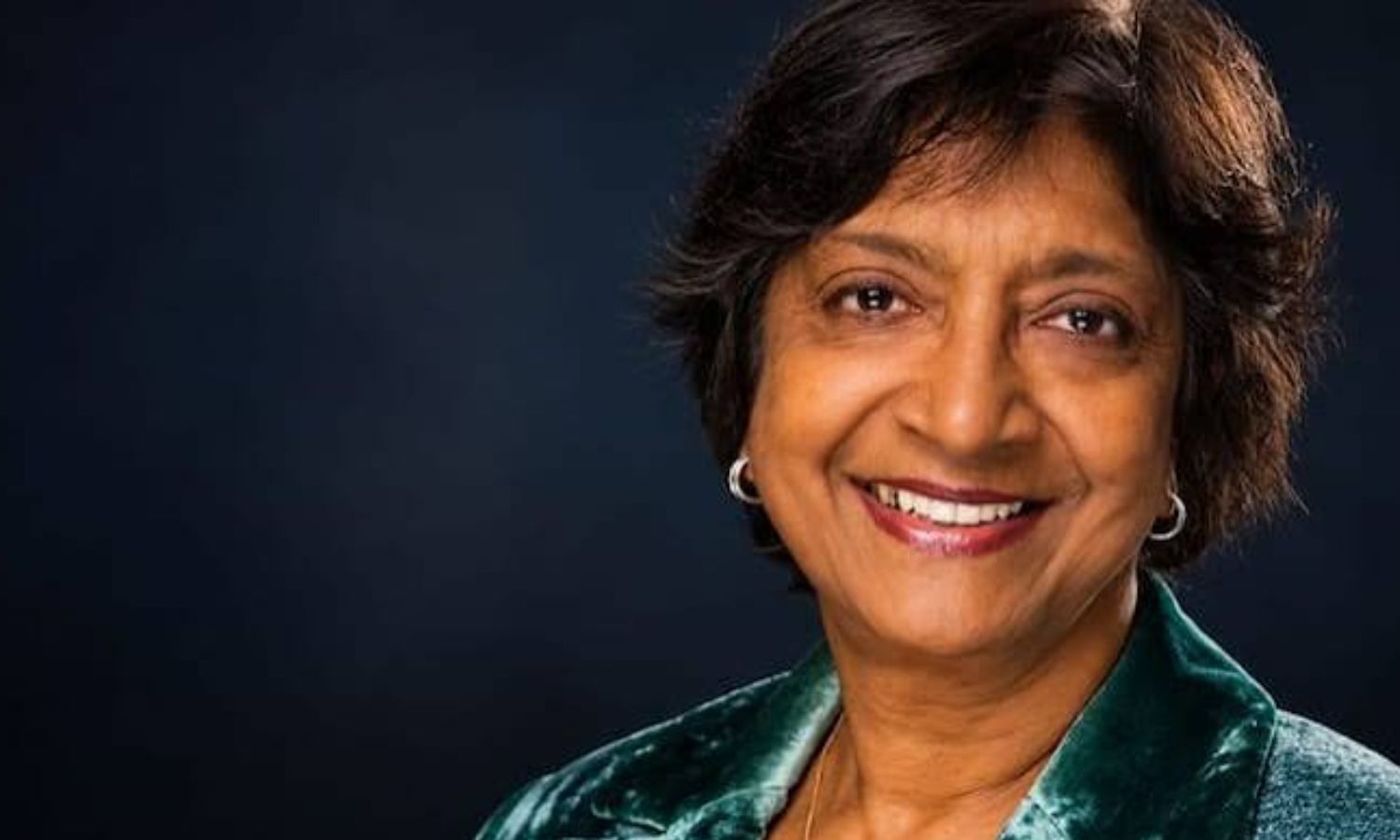
Navi Pillay Named 2026 Nobel Peace Prize Laureate
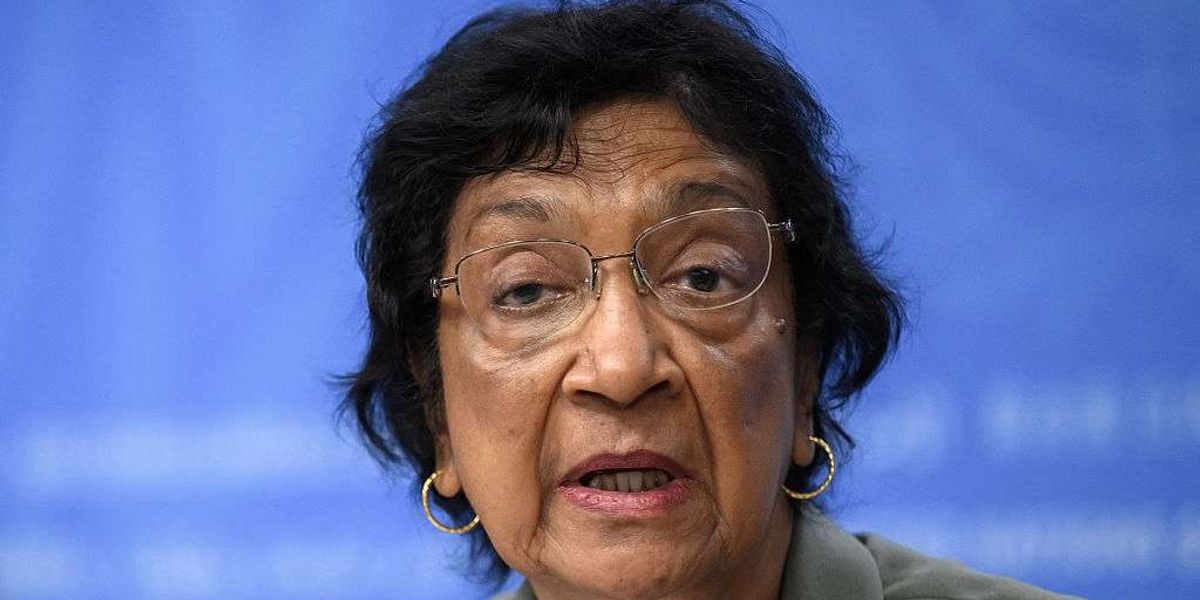
Navi Pillay Wins 2026 Nobel Peace Prize for Justice Work
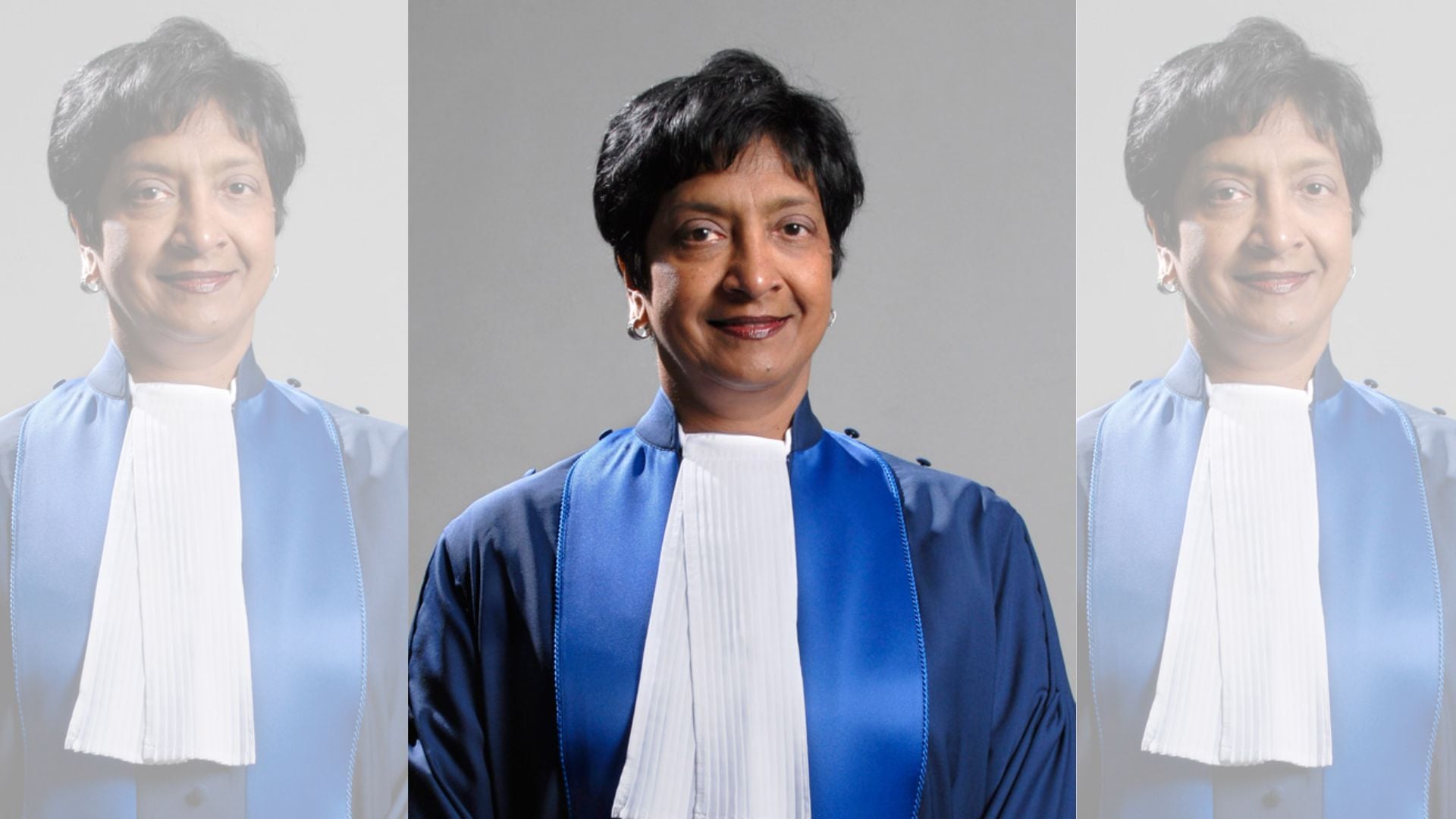
Navi Pillay’s Journey From Apartheid Courts to International Justice
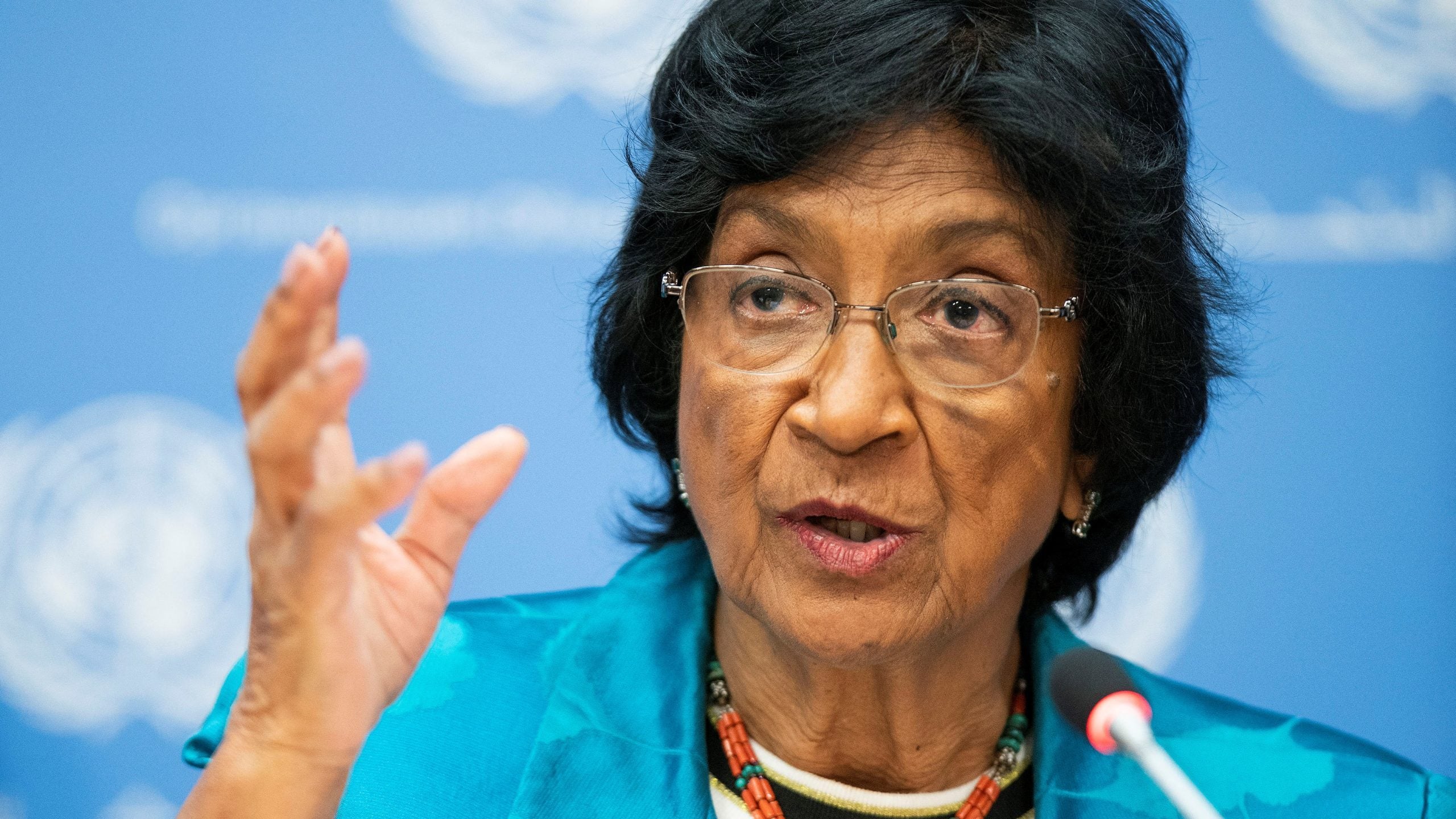
Navi Pillay Wins 2026 Nobel Peace Prize for International Law
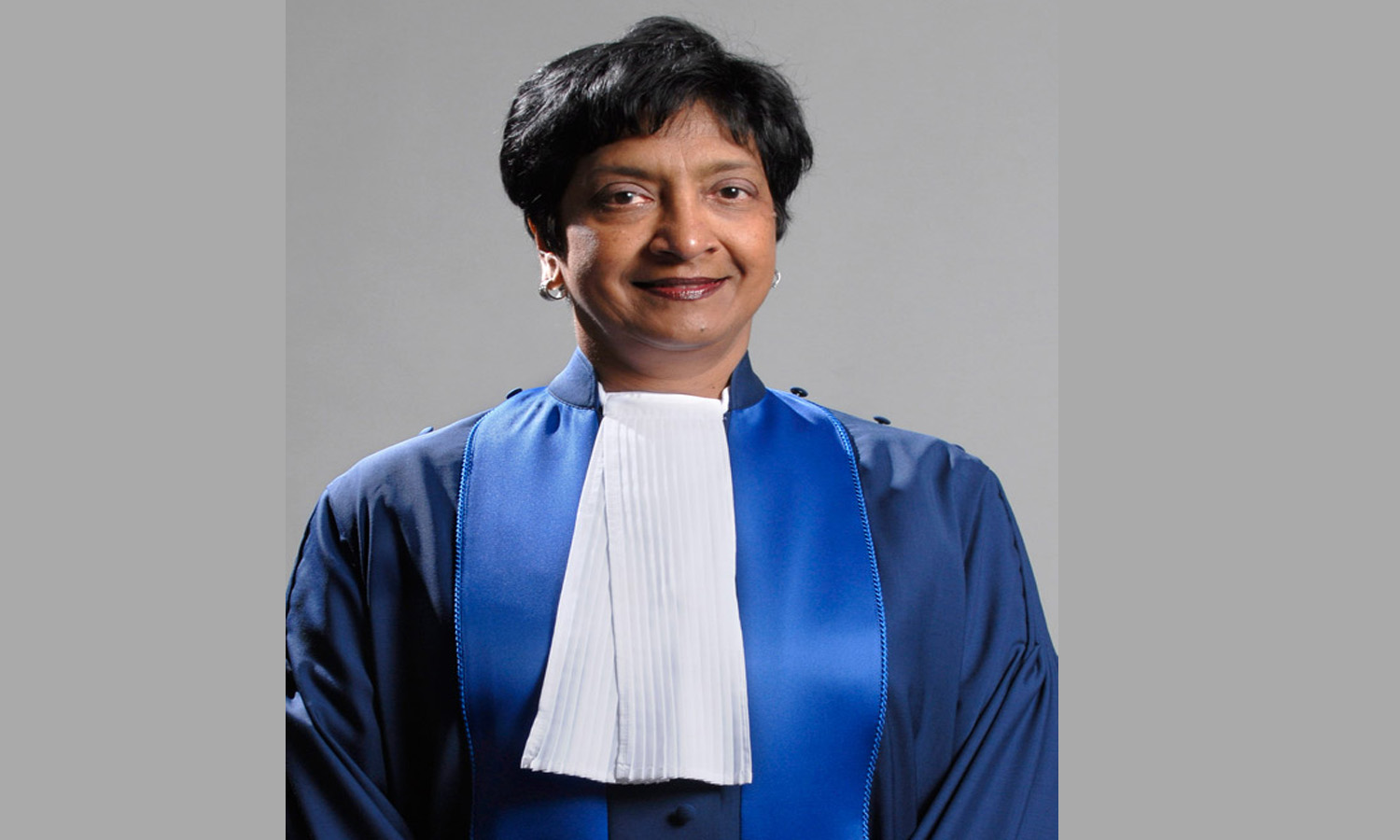
Navi Pillay Wins Nobel Peace Prize for Pursuing International Justice
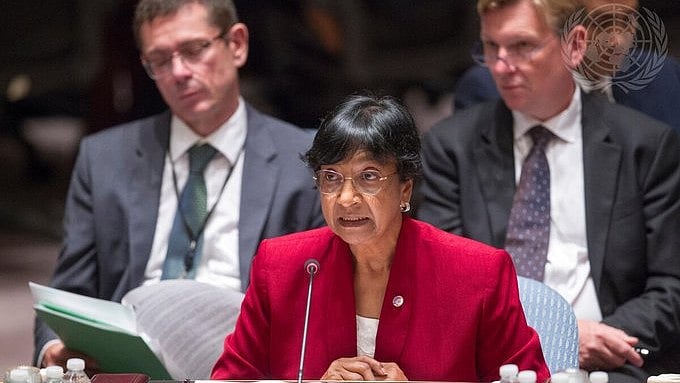
Former ICC Judge Navi Pillay Wins 2026 Nobel Peace Prize
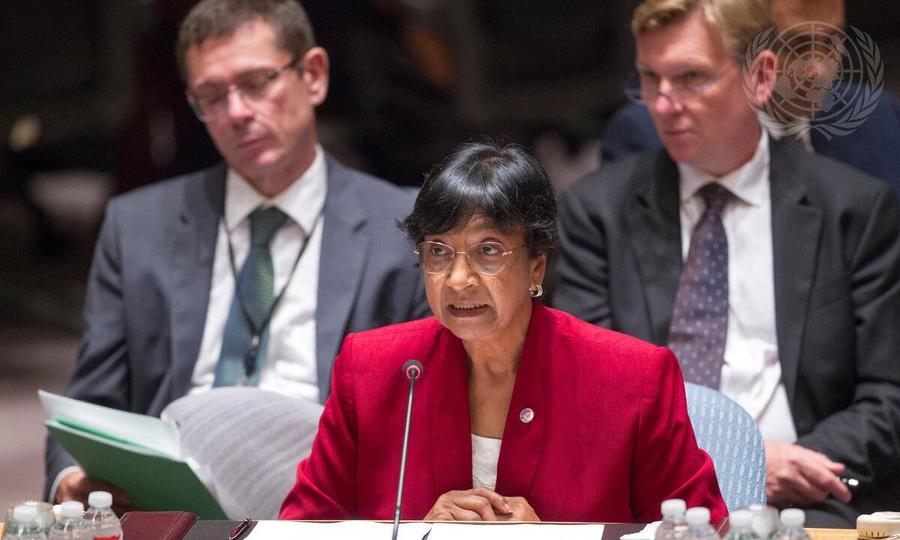
Editorial Makes Case for Navi Pillay’s 2026 Peace Nobel