1 year ago
Punjab Launches Science Initiative for Water Conservation
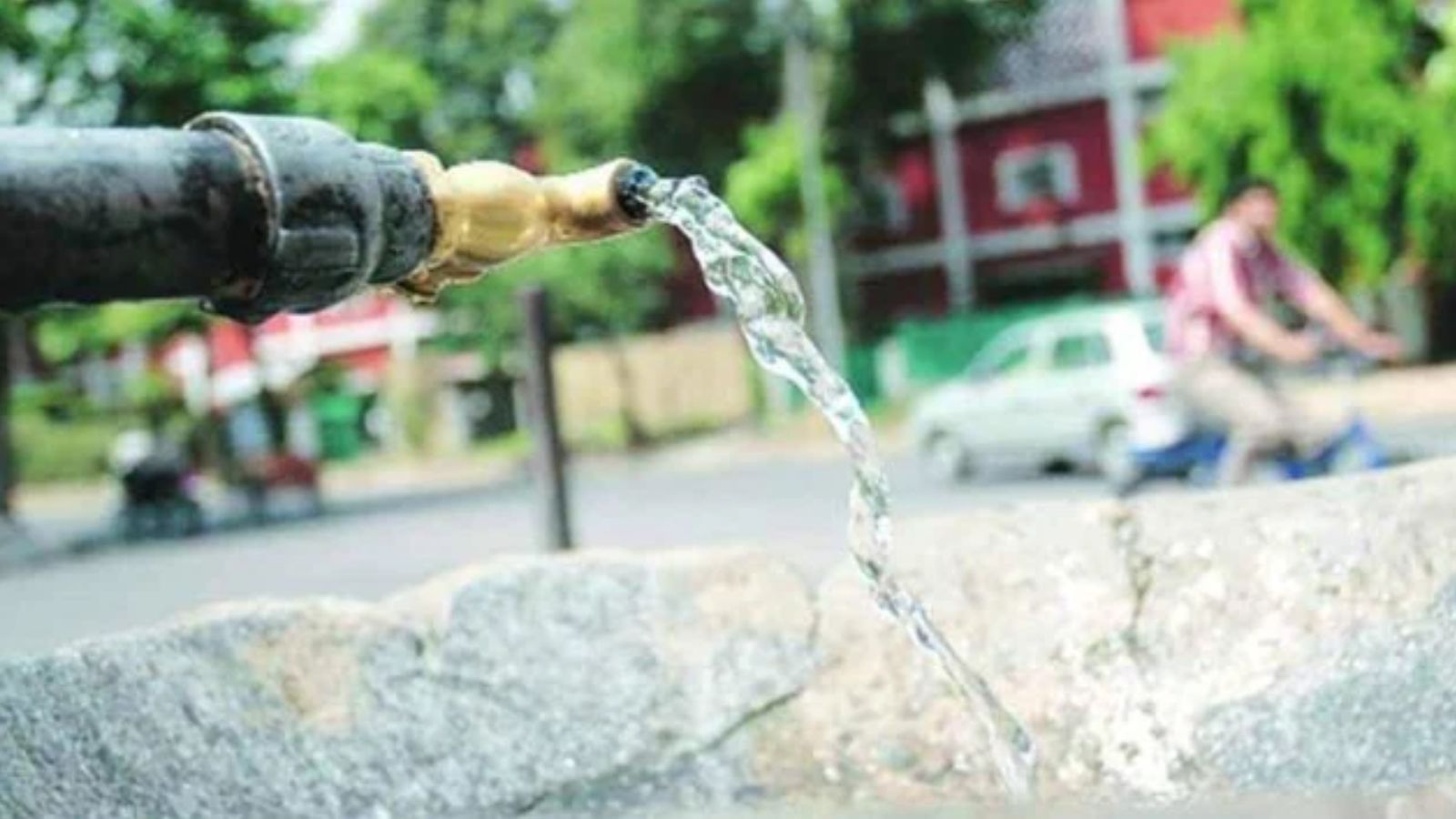
Punjab is starting a project to protect its water.
They're using science to figure out how much water they have and how to save it.
Experts will use special tools, like carbon dating, to understand the water.
They're also planning to build reservoirs and use special plants to help.
The goal is to make sure there's enough water for farming and to keep the environment healthy.
Scientists and universities are working together on this, hoping to come up with smart solutions for the state's water problems.

The Punjab State Farmers’ & Farm Workers’ Commission (PSFFWC) launched a science-driven initiative to study and conserve water resources.
The initiative follows a report from the National Institute of Hydrology (NIH), Roorkee, and recommendations from a legislative committee.
The PSFFWC will employ advanced techniques such as carbon dating and isotope technologies.
Workshops were held with experts from various universities and institutions.
The initiative aims to address immediate and long-term water management challenges, including groundwater depletion and aquifer recharge.
- Who
- The Punjab State Farmers’ & Farm Workers’ Commission (PSFFWC) is leading the initiative.
- What
- Punjab launched a science-driven initiative to study and conserve water resources.
- Where
- Punjab
- When
- The initiative was launched after a report was presented to the Punjab Vidhan Sabha.
- Why
- To address the escalating water crisis and safeguard Punjab's agricultural future.
Current Water Management
Future Water Management
Water Availability
Current Water Management
Insufficient water resources
Future Water Management
Sustainable water management
Key facts
- Organization
- Punjab State Farmers’ & Farm Workers’ Commission (PSFFWC)
- Focus
- Water Resource Study and Conservation
- Techniques
- Carbon dating, Isotope technologies, Seepage analysis
- Key Recommendation
- Isotopic studies and carbon dating, heliborne surveys, reservoir feasibility
- Collaboration
- IIT Ropar, IIT Mandi, NIH Roorkee