

1 hr ago
Coffee Naps May Help Reduce Sleepiness and Boost Alertness
Coffee contains caffeine, which can help you feel more awake.
It works partly by blocking a brain chemical called adenosine that makes you sleepy.
A coffee nap means drinking coffee and then taking a short nap right away.
The caffeine usually takes about 20 to 30 minutes to start working in the brain.
This gives you time to rest before the caffeine boosts your alertness.
Set an alarm for about 20 minutes so you do not sleep too long.
Sleeping for more than 30 minutes may leave you feeling groggy.
Even quietly resting with your eyes closed may help refresh your mind.

Caffeine can increase alertness by blocking adenosine, a neurotransmitter linked to sleepiness.
A “coffee nap” involves drinking coffee immediately before taking a short nap.
Caffeine typically takes about 20 to 30 minutes to reach the brain and produce stimulant effects.
The recommended nap lasts about 20 minutes, and sleeping beyond 30 minutes may cause grogginess.
Even resting with closed eyes may help reduce fatigue, although medical advice should be sought when needed.
- Who
- People who use coffee to combat sleepiness and improve alertness.
- What
- A “coffee nap,” in which a person drinks coffee before taking a brief nap.
- Where
- When
- Immediately after drinking coffee, with the nap lasting about 20 minutes; caffeine effects may begin after 20 to 30 minutes.
- Why
- To combine the restorative effects of a short nap with caffeine’s stimulant effects and potentially improve alertness and cognitive performance.
Key facts
- Method
- Drink coffee quickly, then take a short nap.
- Recommended nap
- About 20 minutes.
- Maximum suggested duration
- Do not sleep past 30 minutes, according to the article.
- Caffeine timing
- Caffeine takes about 20 to 30 minutes to reach the brain and produce its effects.
- Main mechanism
- Caffeine blocks adenosine, a neurotransmitter associated with sleepiness.
- Potential benefit
- The combination may reduce fatigue and enhance wakefulness and cognitive performance.
- Medical disclaimer
- The article says its advice is generic information and is not a substitute for qualified medical advice.
Sources
Related news

All-Nighters Impair Memory, Cognition, Immunity, and Heart Health

Andrew Huberman Shares Eye Trick for Falling Asleep

Why Multiple Alarms Can Leave You Feeling More Tired
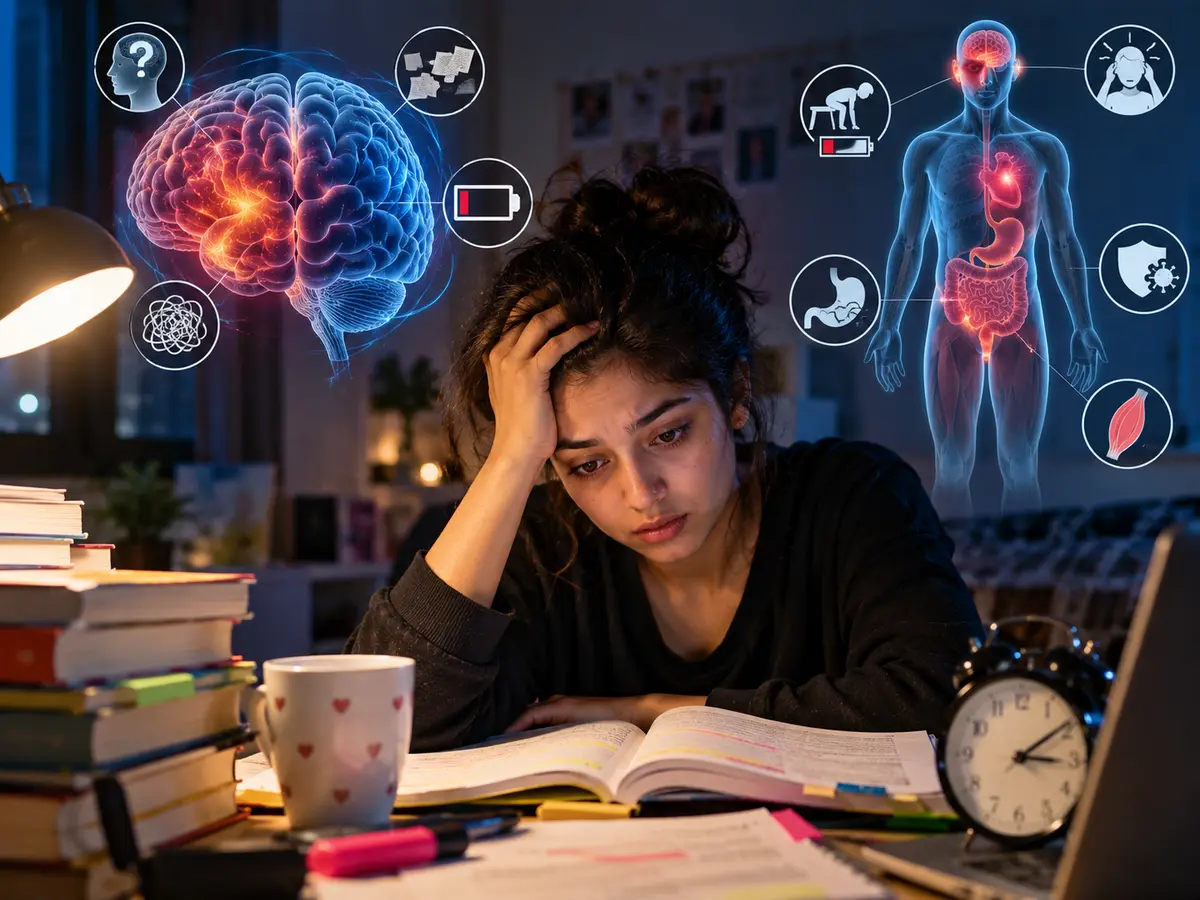
All-Nighters Can Undermine Memory, Focus, and Exam Performance
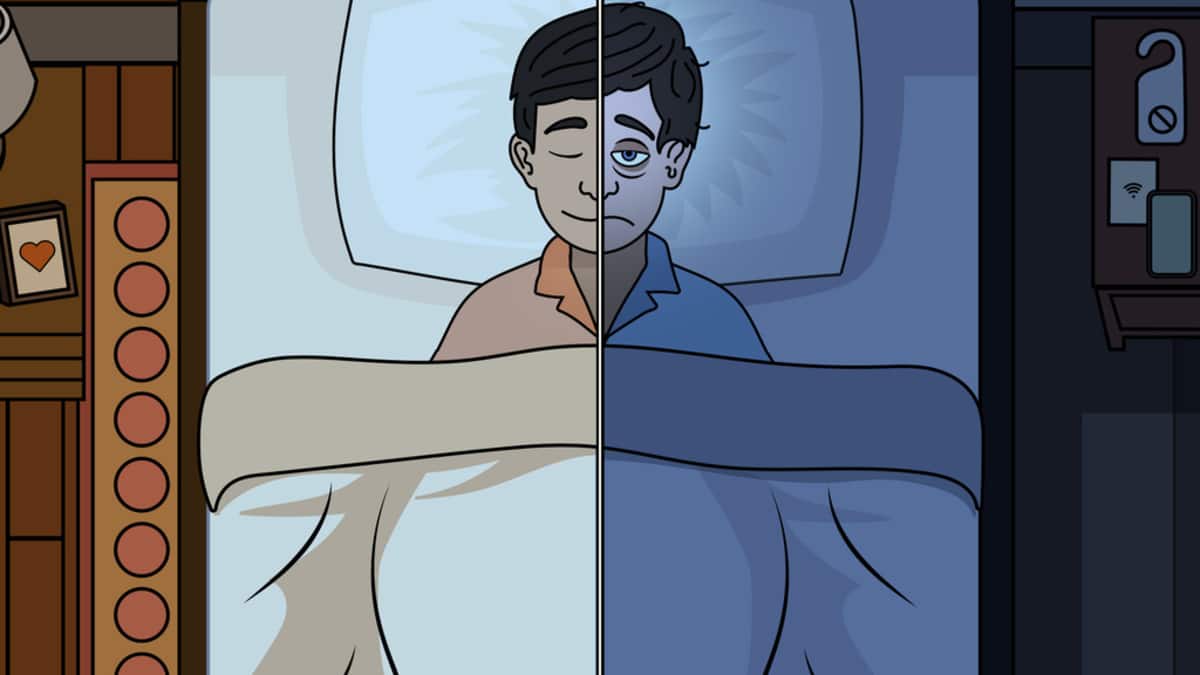
First-Night Effect: Why People Sleep Poorly in New Places
