

1 month ago
RBI Proposes 10% Voting Rights Threshold for Foreign Control
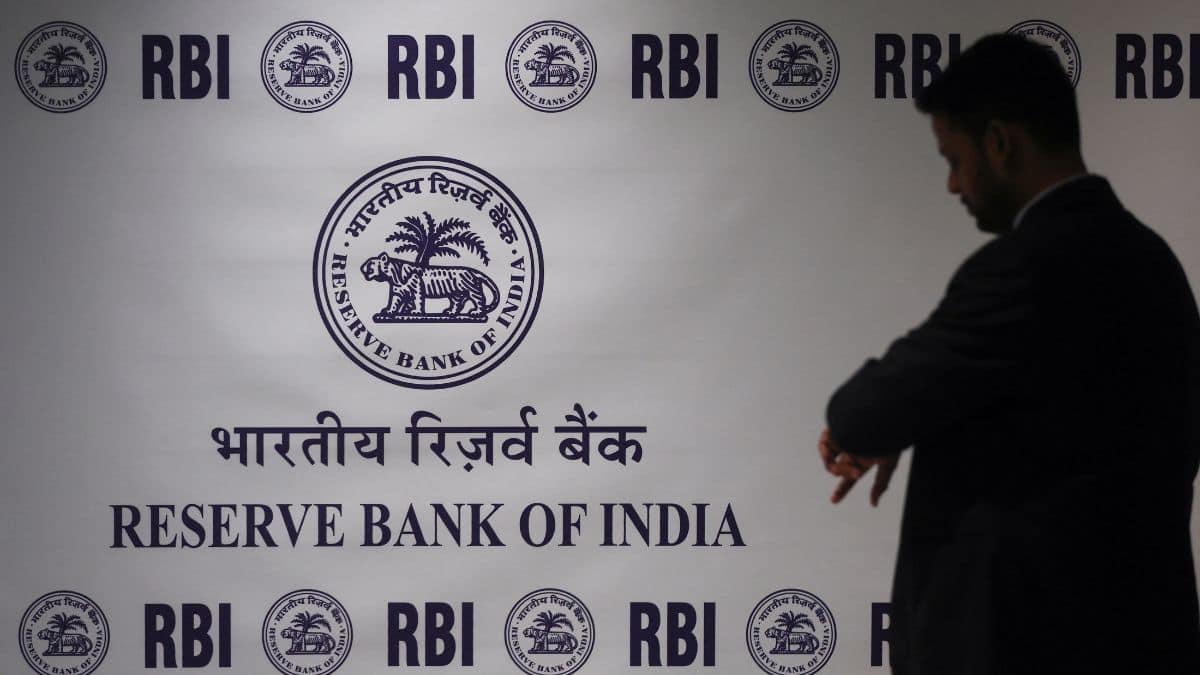
The Reserve Bank of India (RBI) has proposed changes to the rules about foreign investment in Indian companies.
They suggest that if a foreign investor owns 10% or more of a company's voting rights, the company could be considered foreign-controlled.
This means the foreign investor might have more say in how the company is run.
Lawyers are worried because this new rule could make things more complicated for companies and investors.
They think it might affect small investors who own a little bit of a company but don't want to control it.
The RBI is asking for people's opinions on these changes until the end of August.
The final impact will depend on how the RBI decides to use this new rule.

The RBI proposed changes to foreign exchange management rules to define foreign control based on a 10% voting rights threshold.
The proposed framework could expand the definition of foreign control and trigger additional compliance requirements.
Legal experts express concerns about the impact on minority investors and cross-border investment structures.
The proposed definition could influence governance rights in mergers, acquisitions, private-equity transactions, and joint ventures.
The RBI has invited public feedback on the draft rules until 31 August.
- Who
- Reserve Bank of India (RBI), legal experts, minority investors, cross-border investors
- What
- Proposed changes to foreign exchange management rules defining foreign control based on a 10% voting rights threshold
- Where
- India
- When
- Public feedback invited until 31 August
- Why
- To create a more user-friendly framework for foreign investment and streamline foreign exchange regulations
RBI's Perspective
Legal Experts' Concerns
Definition of Foreign Control
RBI's Perspective
The RBI aims to create a more user-friendly framework for foreign investment by defining foreign control based on a 10% voting rights threshold.
Legal Experts' Concerns
Legal experts argue that the 10% threshold could expand the definition of foreign control and trigger additional compliance requirements.
Impact on Minority Investors
RBI's Perspective
The RBI's proposals are part of efforts to attract more foreign investment by reducing taxes and compliance costs.
Legal Experts' Concerns
Lawyers express concerns that the proposed definition could significantly impact minority investors, particularly in cross-border investment structures.
Governance Rights in Transactions
RBI's Perspective
The RBI's changes aim to streamline foreign exchange regulations and make them easier to navigate for businesses and investors.
Legal Experts' Concerns
Legal experts warn that the proposed framework could influence how governance rights are structured in mergers, acquisitions, private-equity transactions, and joint ventures.
Key facts
- Proposed Threshold
- 10% voting rights
- Public Feedback Deadline
- 31 August
- Impact on Minority Investors
- Potential significant impact on minority investors in cross-border investment structures
- Governance Implications
- Potential influence on governance rights in mergers, acquisitions, private-equity transactions, and joint ventures
- Uncertainty Over 10% Threshold
- Unclear whether 10% voting rights alone would classify an investor as exercising foreign control
Quotes
Anjali Malhotra
Partner, regulatory, Nangia Global consultancy
“"The implications of introducing this quantitative threshold, particularly in situations where investors hold limited minority rights that do not amount to effective control, require careful evaluation in the context of cross-border investment structures and established market practices."”
 firstpost.com
“"The RBI has introduced a numerical benchmark that does not presently exist and could expand the circumstances in which a foreign investor is regarded as exercising control and attract higher compliances."”
firstpost.com
Sources
Related news

Jefferies sees 40% upside in Kalyan Jewellers shares

Reliance Explores Aluminium Production Through Odisha Bauxite and Coal Gasification

Ratnaveer Approves ₹330 Crore Rights Issue Amid Share Surge

Sam Altman Orders Seven Custom AI Watches for OpenAI Team

Gujarat launches DNA-based sports talent hunt for 2030 Commonwealth Games

ASUS Expands TUF Gaming Laptops in India With New Models

JD Vance Endorses Vivek Ramaswamy for Ohio Governor
