

1 day ago
Rahi Masoom Raza Centenary Reclaims His Major Literary Legacy

Rahi Masoom Raza was an important Indian writer whose novels explored people and society during times of change.
Many people also know him for writing dialogues for the television series Mahabharat.
The article says his novels, especially Aadha Gaon, deserve to be read more seriously.
Aadha Gaon shows how Partition changed relationships and ideas about identity in a village.
The people in the story have many connections, including family, language, caste and neighbourhood.
Politics makes some of these connections seem less important than religious labels.
Raza’s language mixed Bhojpuri, Hindi, Urdu and other local influences.
The article says his manuscripts and film work should be studied, but his novels should remain central.
It argues that Raza’s Indian identity cannot be limited to only Hindi or Urdu.

Rahi Masoom Raza’s birth centenary is presented as an opportunity to restore attention to his major novels, not only his cinema and television work.
Aadha Gaon uses the fictionalized world of Gangauli to examine caste, community, language, memory, nationalism and Partition.
The novel portrays Partition as both territorial division and a transformation in how people understand identity and political belonging.
Raza’s language drew on Bhojpuri, Hindustani, Persian-Arabic vocabulary and local speech, complicating strict Hindi-Urdu classifications.
His work in Bombay cinema and as dialogue writer for B. R. Chopra’s Mahabharat extended, rather than replaced, the concerns of his literary writing.
- Who
- Rahi Masoom Raza, the Indian novelist, film writer and dialogue writer, is the central figure.
- What
- The beginning of his birth-centenary celebrations is being used to reassess his literary importance and legacy.
- Where
- The discussion spans Raza’s literary and cultural worlds in Ghazipur and Gangauli, Aligarh, Bombay and the wider Gangetic plains.
- When
- At the beginning of Rahi Masoom Raza’s birth-centenary celebrations; the article does not specify dates.
- Why
- The centenary provides an opportunity to restore attention to Raza’s novels, preserve his manuscripts and examine his contributions beyond popular cinema and television.
Broader Literary Identity
Narrower Institutional Classifications
Hindi, Urdu and script
Broader Literary Identity
Raza’s imagination emerged from a multilingual society and exceeded fixed Hindi-Urdu boundaries; script should not be treated as the exclusive identity of a language.
Narrower Institutional Classifications
Debates over whether works were originally written in Urdu script or Nagari, and the recovery of Urdu-script manuscripts, may lead institutions to classify his work primarily through script and literary canon.
Centenary emphasis
Broader Literary Identity
The centenary should focus on reading Raza’s novels and studying his intellectual, linguistic and historical importance.
Narrower Institutional Classifications
Public memory often emphasizes his successful film career and Mahabharat dialogues, while ceremonial celebrations or manuscript disputes could overshadow the novels.
Mahabharat authorship and cultural belonging
Broader Literary Identity
Raza’s work on Mahabharat reflected his belief that the epic belonged to the shared civilizational world in which he grew up, rather than to one religious community.
Narrower Institutional Classifications
The question of how a Muslim writer could write Mahabharat reflects concerns that cultural and religious traditions should have exclusive owners.
Key facts
- Central writer
- Rahi Masoom Raza
- Major novels
- Aadha Gaon, Topi Shukla, Os Ki Boond and Katra Bi Arzoo
- Key setting
- Gangauli in the Ghazipur region of eastern Uttar Pradesh
- Major historical theme
- Partition and the transformation of social and political identities
- Language influences
- Bhojpuri, Hindustani, Persian-Arabic vocabulary and local eastern Uttar Pradesh speech
- Popular work
- Raza wrote dialogues for B. R. Chopra’s television serial Mahabharat
- Centenary priorities
- Preserving manuscripts, producing critical editions, opening archives and returning the novels to central discussion
Sources
Related news
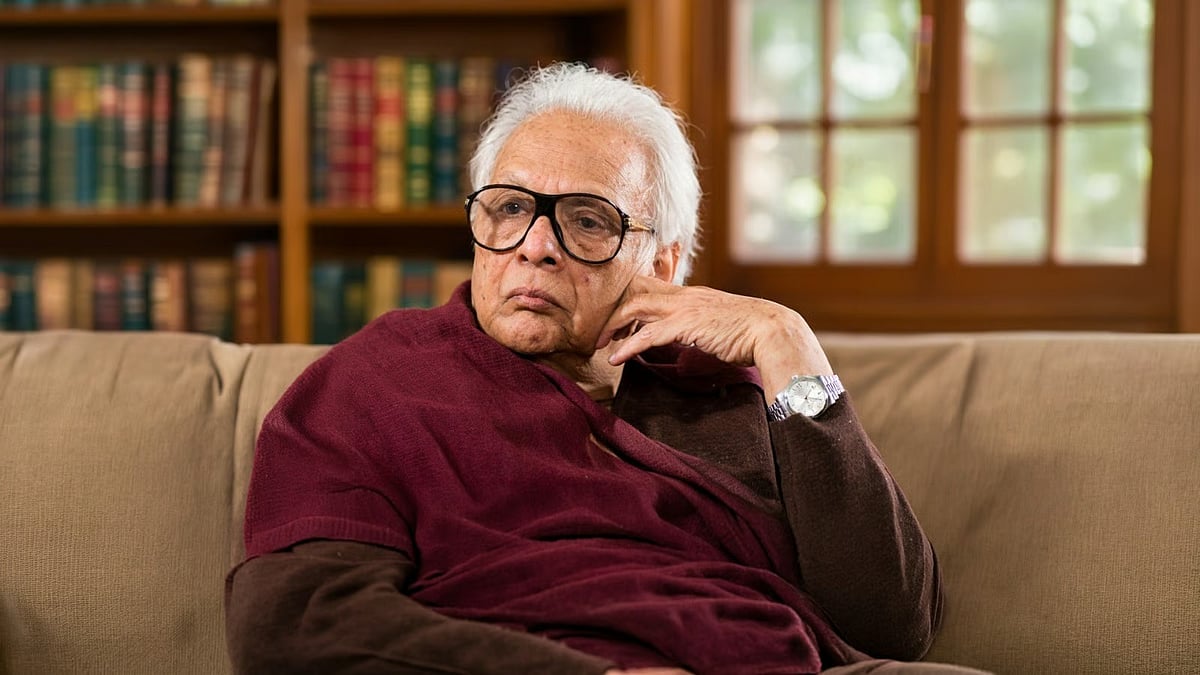
Rahi Masoom Raza Centenary Celebrates Mahabharat Writer’s Enduring Dialogue Legacy

Geetanjali Shree's Hindi fiction wins global acclaim after Booker
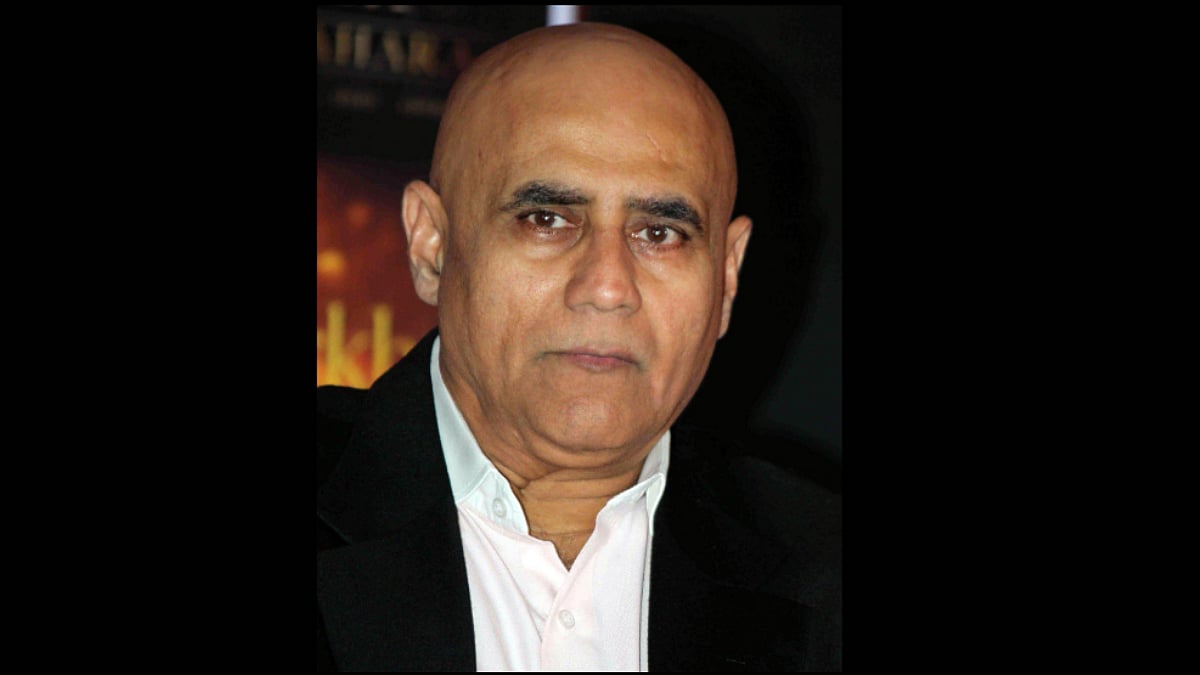
Puneet Issar Remembers Rahi Masoom Raza’s Mentorship and Wisdom
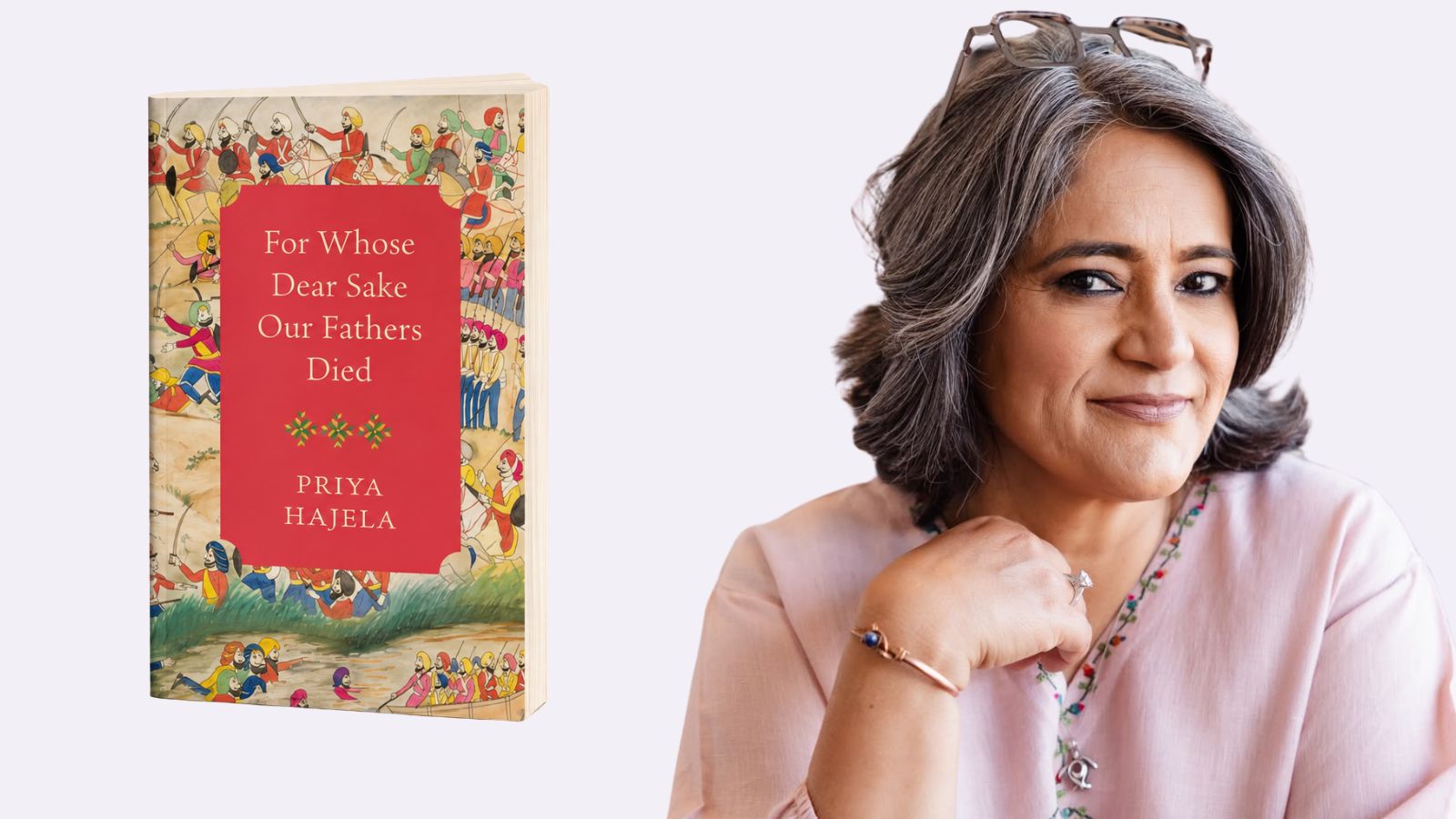
Priya Hajela’s Novel Reexamines Colonial History Through Family Trauma
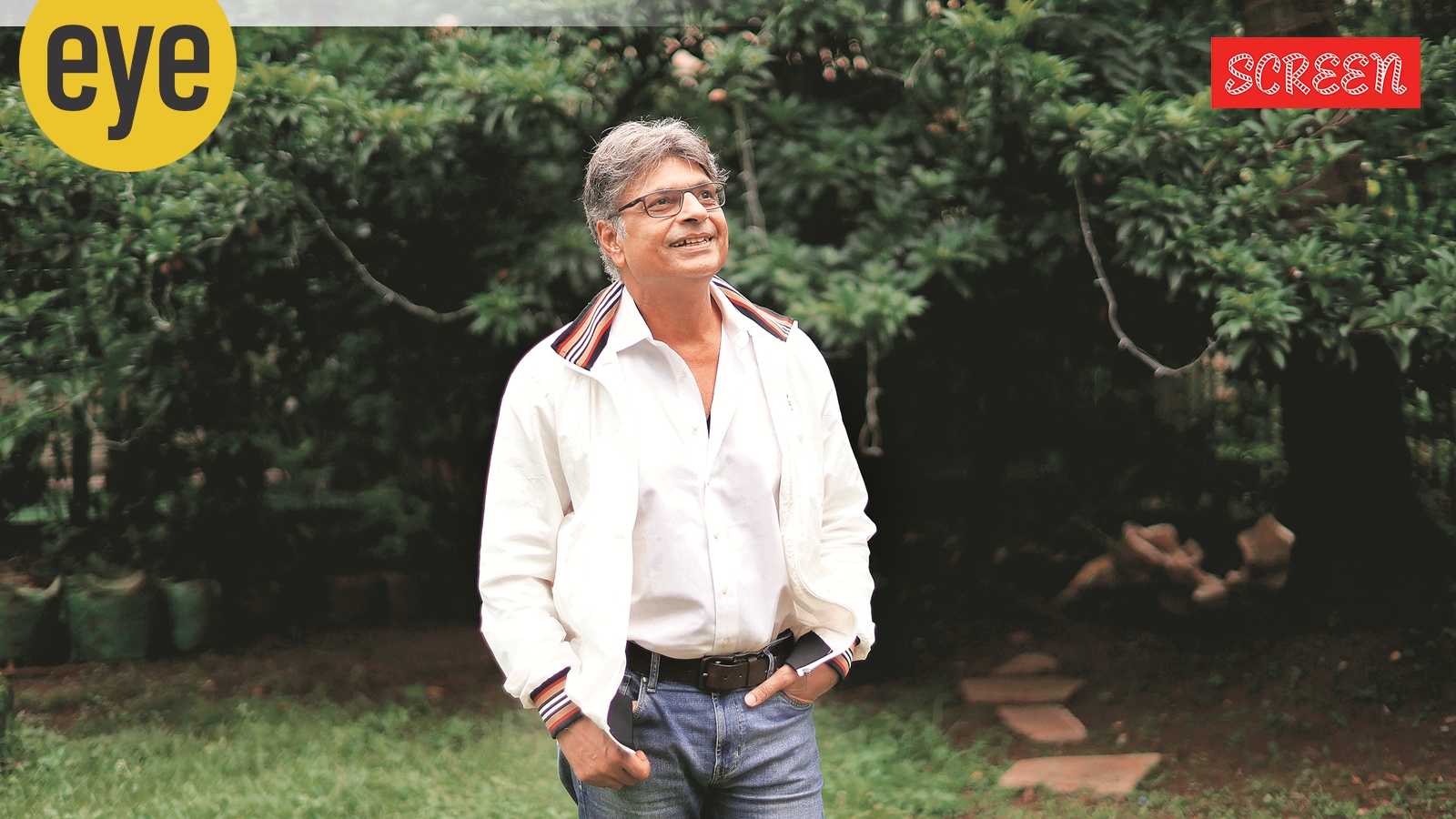
Why Irshad Kamil’s Songs Continue to Feel Like Home

RJ Mahvash Says Humor Matters Most in a Partner
Hanuman Ansh director details film’s rise after shows fell
UP Minister Finds Government College in Disrepair After Wall Climb

Three killed, 23 injured in Kasganj family vehicle collision
