7 months ago
Scientists Develop Self-Fertilizing Crops to Reduce Fertilizer Use
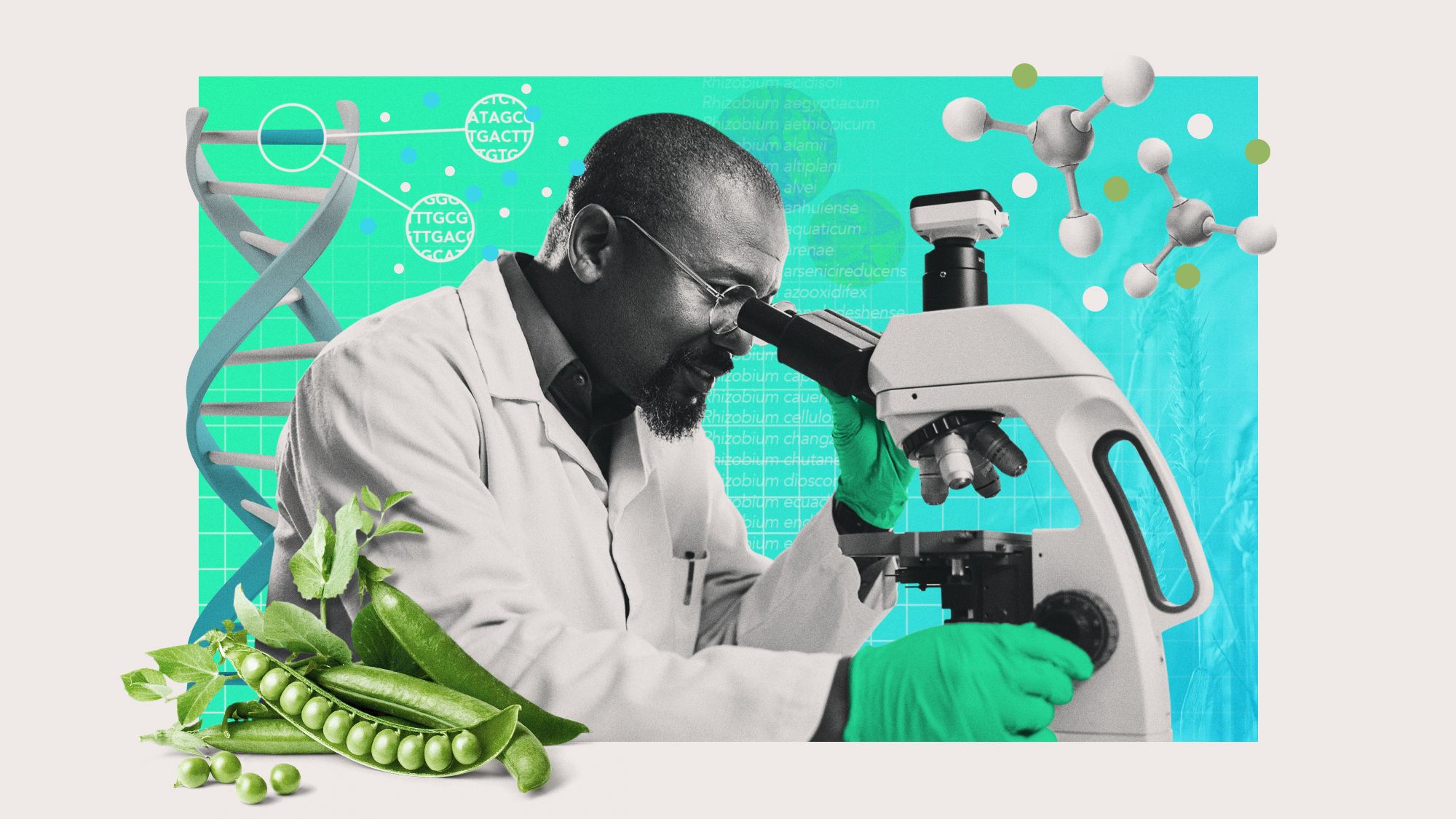
Scientists are working on a way to make crops that can make their own fertilizer.
Right now, farmers use a lot of fertilizer to help plants grow, but this can be bad for the environment.
Some plants, like peas and beans, can already make their own fertilizer by working with special bacteria in the soil.
Scientists have found a way to use a tool called CRISPR to help other plants, like wheat and barley, do the same thing.
This could help the environment by reducing pollution and make it easier for farmers, especially in places where fertilizer is expensive or hard to get.

Scientists are using CRISPR to develop self-fertilizing crops, reducing the need for synthetic fertilizers.
Excessive fertilizer use can cause environmental issues, including water pollution and climate-warming gases.
Plants like peas, clover, and beans naturally form partnerships with bacteria to fix nitrogen from the air.
Researchers successfully engineered wheat, Lotus japonicus, and barley to cooperate with nitrogen-fixing bacteria.
Self-fertilizing crops could improve food security, especially in developing regions with limited access to fertilizers.
- Who
- Scientists and researchers
- What
- Development of self-fertilizing crops using genetic engineering
- Where
- Global, with specific studies in the U.S. and Africa
- When
- August 2025
- Why
- To reduce the environmental impact of excessive fertilizer use and improve food security
Key facts
- Total Fertilizer Used in the U.S. (2023)
- 20.1 million metric tons
- Nitrogen Fertilizer Used in the U.S. (2023)
- 11.6 million metric tons
- Nitrogen Absorption Rate by Plants
- 30 to 50%
- Gene Editing Tool Used
- CRISPR
- Plants Successfully Engineered
- Lotus japonicus, Barley, Wheat
- Potential Benefits
- Reduced ecological impact, improved food security, lower costs
Quotes

Aarhus University
A research institution
“Scientists found a molecular switch that lets plants partner with nitrogen-fixing bacteria instead of fighting them, and successfully engineered this change in the plant Lotus japonicus, then tested the concept in barley and found that the mechanism worked there as well.”
 theweek.com
“A small group of plants, including peas, clover and beans, can grow without added nitrogen by forming a partnership with specific bacteria that turn nitrogen from the air into a form the plant can absorb.”
theweek.com
Sustainability Times
A news outlet
“The edits enabled the wheat to assist specific soil bacteria in nitrogen fixation, which meant the plants can absorb necessary nutrients without the reliance on synthetic fertilizers.”
theweek.com
“In Africa, people don't use fertilizers because they don’t have money, and farms are small, not larger than six to eight acres.”
theweek.com

University of California, Davis
A research institution
“Plants only absorb about 30 to 50% of the nitrogen in fertilizer, and what is not taken up flows into waterways, which can create 'dead zones' that lack oxygen, suffocating fish and other aquatic life.”
theweek.com
“Some excess nitrogen in the soil produces nitrous oxide, a potent climate-warming gas.”
theweek.com
Steve Cubbage
Precision agriculture consultant and farmer
“Reduced fertilizer dependence means lower exposure to global supply disruptions, energy price shocks and geopolitical risk, as well as a resilience strategy that should be taken as seriously.”
theweek.com
“Self-fertilizing crops are a fundamental redesign of how modern agriculture works.”
theweek.com
Eduardo Blumwald
Lead author of the Plant Biotechnology Journal study
“Imagine, you are planting crops that stimulate bacteria in the soil to create the fertilizer that the crops need, naturally. Wow! That’s a big difference!”
theweek.com