

9 months ago
WEF Identifies 7 Deep Technologies to Drive Agricultural Transformation
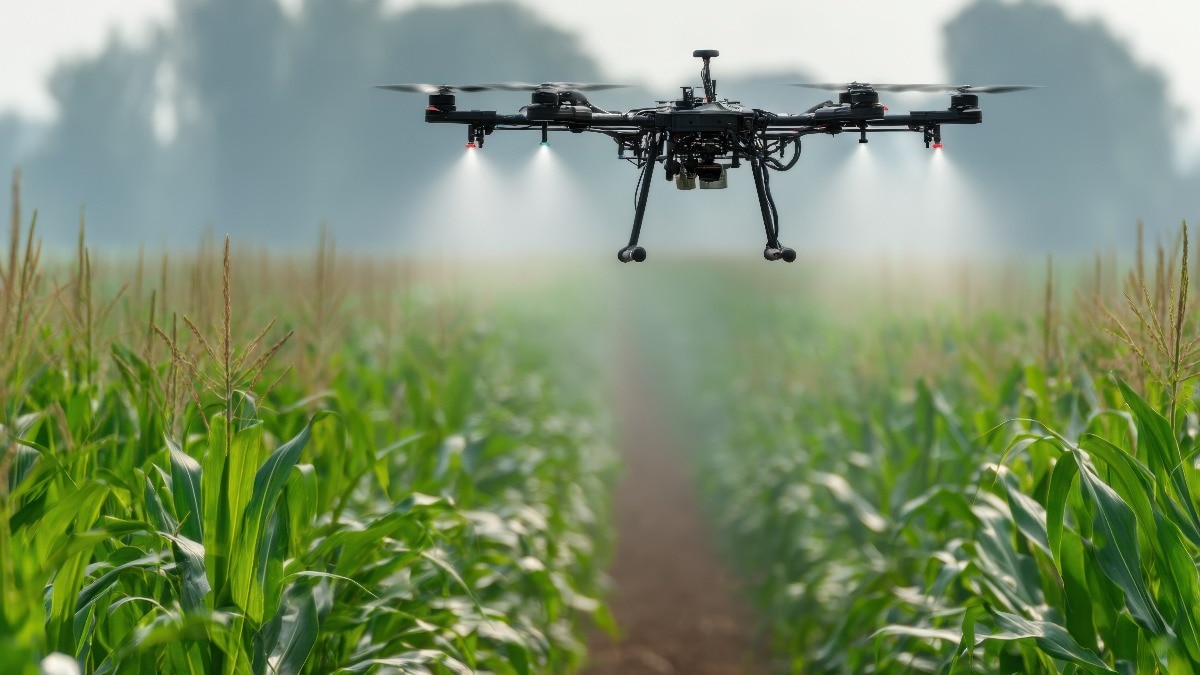
Farms all over the world need to grow more food for everyone, but they face many problems like changing weather and soil that isn't healthy.
The World Economic Forum has found seven super smart technologies that can help.
These include things like AI, which is like a smart computer brain for farms, robots that can do farm work, and special tools like CRISPR that can make plants stronger.
The report shows examples from places like India, where they've made rice that causes less pollution, and farms that grow more crops using smart technology.
To make these new tools work everywhere, the report says that businesses, scientists, and governments need to work together closely.
Governments also need to make rules that are flexible enough to keep up with new inventions.
This will help us grow food better and make sure everyone has enough to eat.

The World Economic Forum report identifies seven deep technologies—generative AI, computer vision, robotics, edge IoT, satellite-enabled remote sensing, CRISPR, and nanotechnology—as key to transforming agriculture.
These technologies hold the potential to significantly improve agricultural productivity, sustainability, and resilience by fundamentally shifting how crops are grown, monitored, protected, and distributed.
The report highlights high-impact use cases such as autonomous swarm robotics, precision farm management, and carbon reporting, citing examples like climate-resilient rice and precision sugarcane farming.
To scale these deep-tech innovations, the report emphasizes the need for collaboration among industry, research, and investors, alongside agile government policies and regulatory sandboxes.
The WEF's Artificial Intelligence for Agriculture (AI4AI) initiative aims to facilitate the exchange of ideas and best practices to drive tech-enabled agricultural transformation globally and in India.
- Who
- World Economic Forum (WEF), stakeholders from industry and academia
- What
- Launched a report identifying seven deep-tech domains with the potential to drive agricultural transformation and calls for collaboration and agile policies to scale innovations.
- Where
- Global agriculture, with examples from India, Europe, and Africa.
- When
- November 7, 2025
- Why
- To address pressures on agricultural systems, improve productivity, sustainability, and resilience, and build more inclusive global food systems.
Potential of Deep Technologies
Requirements for Scaling and Implementation
Transforming Agriculture
Potential of Deep Technologies
Seven deep technologies, including generative AI, robotics, and CRISPR, have the potential to fundamentally change how crops are grown, monitored, protected, and distributed, leading to improved productivity, sustainability, and resilience.
Requirements for Scaling and Implementation
To fully realize the benefits of these deep-tech innovations, there is a need for greater collaboration among industry, research, and investors, along with agile government policies and regulatory sandboxes.
Addressing Global Challenges
Potential of Deep Technologies
These technologies can address pressures on agricultural systems and contribute to building more sustainable and inclusive global food systems, as shown by use-cases like climate-resilient rice and precision agriculture.
Requirements for Scaling and Implementation
The scaling of these deep-tech innovations requires a coordinated approach that connects science, industry, finance, and policy to manage early-stage risks and unlock research capital.
Key facts
- Report Title
- Shaping the Deep-Tech Revolution in Agriculture
- Issuing Body
- World Economic Forum (WEF)
- Number of Deep-Tech Domains Identified
- 7
- Deep Technologies Identified
- Generative AI, Computer Vision, Robotics, Edge IoT, Satellite-enabled Remote Sensing, CRISPR, Nanotechnology
- Potential Use Cases
- Autonomous swarm robotics, precision farm management, agentic AI systems, carbon reporting
- Example Innovations
- Climate-resilient rice (20% less emissions), precision sugarcane agriculture (40% yield increase), remote sensing for supply chain risk and carbon finance
- WEF Initiative
- Artificial Intelligence for Agriculture (AI4AI), established 2021
Timeline
Farmers struggle to sell wheat straw amid falling prices.
Scientists taught them to grow better crops.
Then, Telangana's AI program boosted yields and prices.
Niti Aayog praised this AI success.
Finally, WEF sees AI revolutionizing farming.
Quotes
Jeremy Jurgens
Managing Director, Centre for the Fourth Industrial Revolution and Centre for Cybersecurity, World Economic Forum
“Harnessing the power of deep-tech to transform agriculture will require strong collaboration amongst diverse actors. This report is a first step toward understanding what’s possible, but the real impact will come from building the right ecosystems that connect science, industry, finance, and policy.”
 thehindubusinessline.com
Abhay Pareek
Project Lead, Fourth Industrial Revolution for Agriculture, World Economic Forum
“These use-cases range from AI-powered crop intelligence in India to autonomous robotics in Europe and satellite-based soil monitoring in Africa. These examples demonstrate that deep-tech can not only strengthen agricultural productivity and resilience but also build a more sustainable and inclusive global food systems.”
thehindubusinessline.com
Sources

WEF says AI, robotics, nanotech to transform agriculture; cites case studies from India

AI, Robotics, Nanotech to Transform Agriculture, with India Case Studies: WEF

WEF says AI, robotics, nanotech to transform agriculture; cites case studies from India
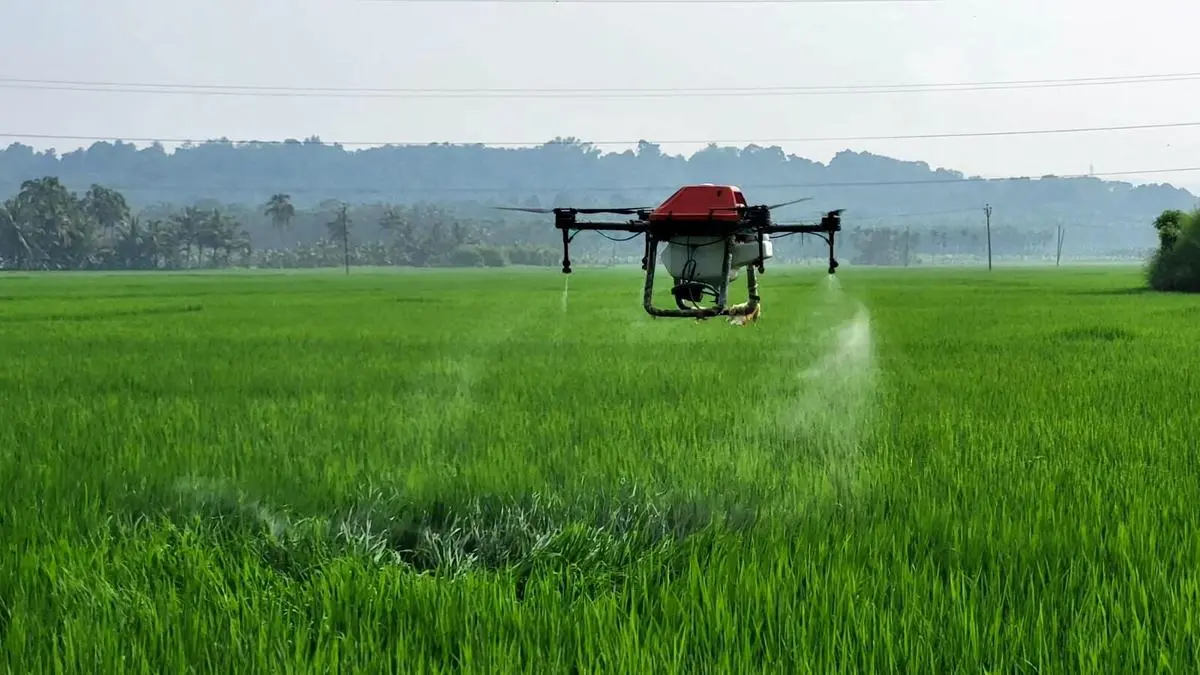
World Economic Forum’s report identifies 7 deep-tech domains to drive agri transformation
The next green revolution: WEF unveils 7 deep tech innovations to revolutionise agriculture
Related news

Why teachers still matter in the age of Generative AI

Salesforce SVP Explains Future of AI

PNB CEO Optimistic About FCNR(B) Inflows and Credit Growth

Google Introduces AI-Powered Learn Your Way

AI Singularity: A New GOD or Humanity's Future?
