1 week ago
Bharat Urged to Lead BRICS Creative-Economy Diplomacy

Bharat has many communities that make crafts, music, food, clothing and cultural experiences.
The article says these communities should be seen not only as part of heritage, but also as creative businesses.
Rural artisans and performers could sell products and services to people around the world.
Villages could offer experiences such as craft workshops, food trails, festivals and village stays.
Digital platforms could help creators reach customers beyond their local areas.
Artificial intelligence could assist with translation, documentation and discovery if it is used responsibly.
The BRICS countries are discussing ways to cooperate in these creative industries.
The goal is for culture to create jobs, income, innovation and stronger international partnerships.

The BRICS cultural agenda is expanding from heritage exchange toward creative industries and the creative economy.
The 2025 BRICS Culture Ministers’ Declaration backed a platform addressing skills, jobs, innovation, infrastructure, copyright and responsible artificial intelligence.
Under Bharat’s 2026 BRICS Presidency, meetings focused on creative industries, AI, heritage protection and culture-led sustainable development.
The article argues that rural artisans, performers and traditional knowledge holders should be treated as creative producers and entrepreneurs.
A producer-focused BRICS platform could connect local creators with international markets through products, services, experiences and digital technology.
- Who
- Bharat, BRICS member countries, rural artisans, cultural practitioners, creative entrepreneurs and traditional knowledge holders.
- What
- The BRICS cultural agenda is being developed into cooperation on creative industries, cultural markets, digital innovation and the creative economy.
- Where
- Within BRICS cooperation, including a June Culture Working Group meeting in Varanasi.
- When
- The 2025 BRICS Culture Ministers’ Declaration established the context; meetings under Bharat’s 2026 BRICS Presidency took place in April and June.
- Why
- To help cultural producers reach markets, generate employment and income, protect intellectual property, and support community development.
Key facts
- 2025 declaration
- BRICS culture ministers recognised the economic importance of cultural and creative industries and agreed to establish a related platform.
- Bharat’s presidency
- Under Bharat’s 2026 BRICS Presidency, creative economy, cultural industries, AI, heritage protection and sustainable development were key areas.
- June meeting
- The Culture Working Group met in Varanasi and discussed market access, digital innovation and people-to-people cooperation.
- Potential producers
- The article identifies artisans, folk performers, traditional knowledge holders, rural communities and digital creators as potential producers.
- Creative outputs
- Potential outputs include textiles, crafts, jewellery, food, performances, workshops, cultural education, wellness and community-based tourism.
- Technology
- Digital platforms could connect rural creators with global audiences, while responsible AI could support translation, documentation and discovery.
- Policy priorities
- The article calls for culture, rural development, tourism, entrepreneurship, skills, digital commerce, intellectual property and technology policies to converge.
Sources
Related news
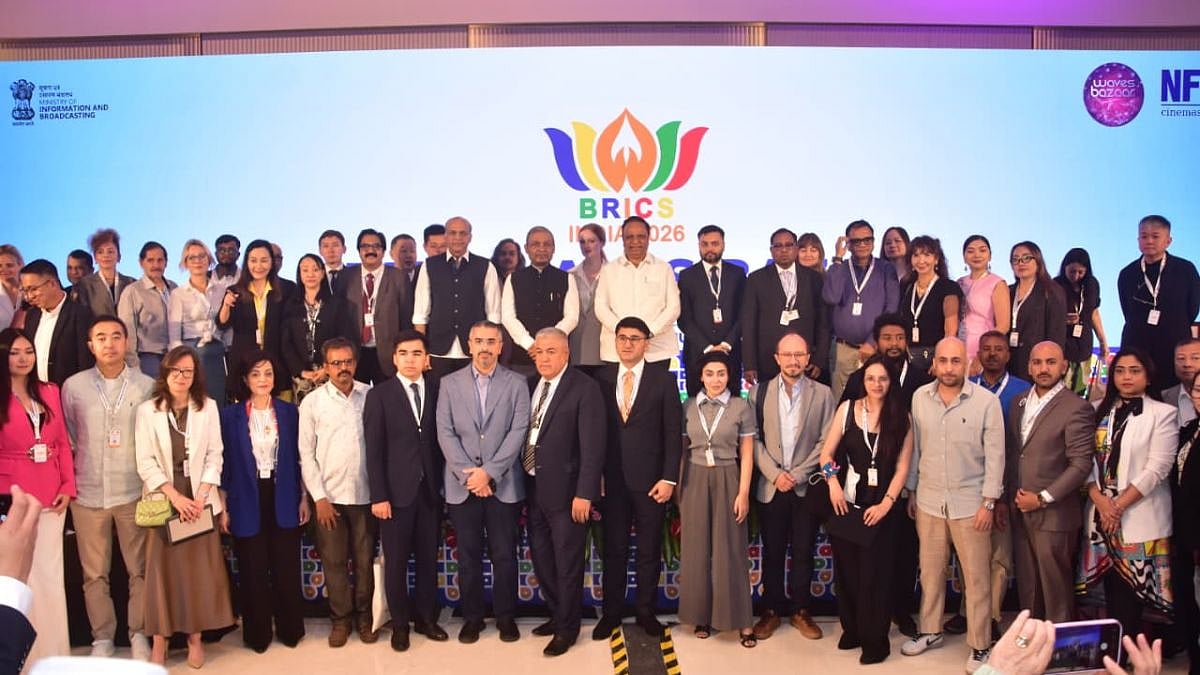
BRICS WAVES Bazaar Opens In Mumbai, Unites 500+ Global Creators
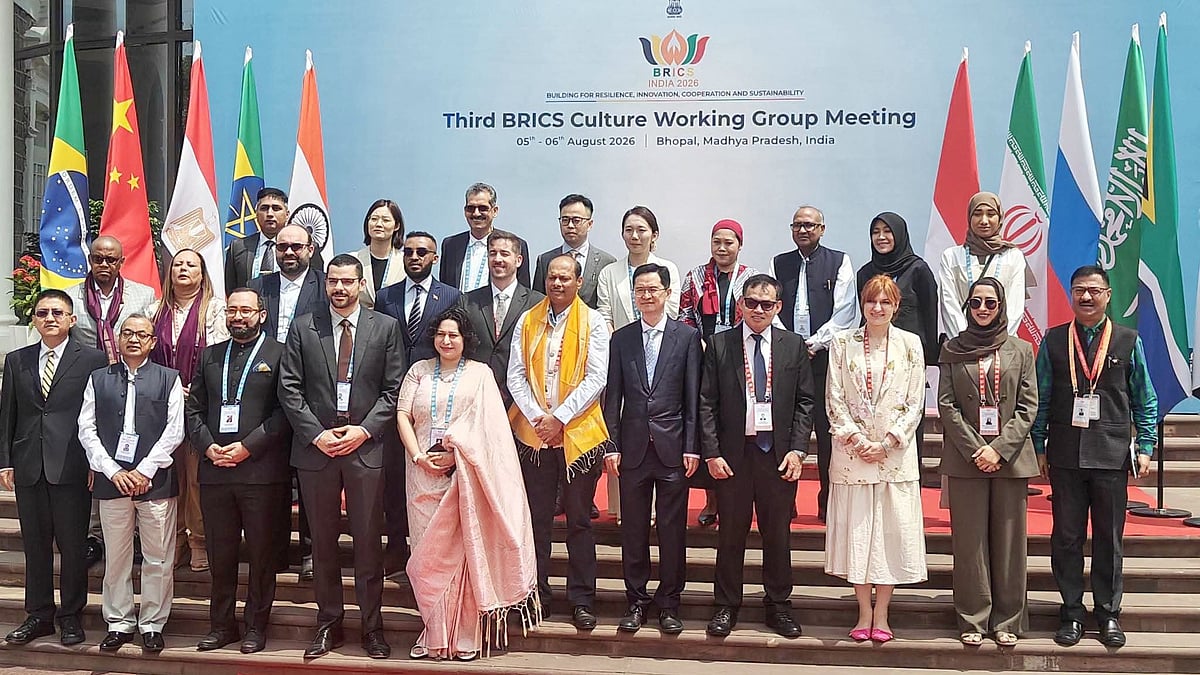
BRICS Culture Group Meets in Bhopal on AI and Heritage
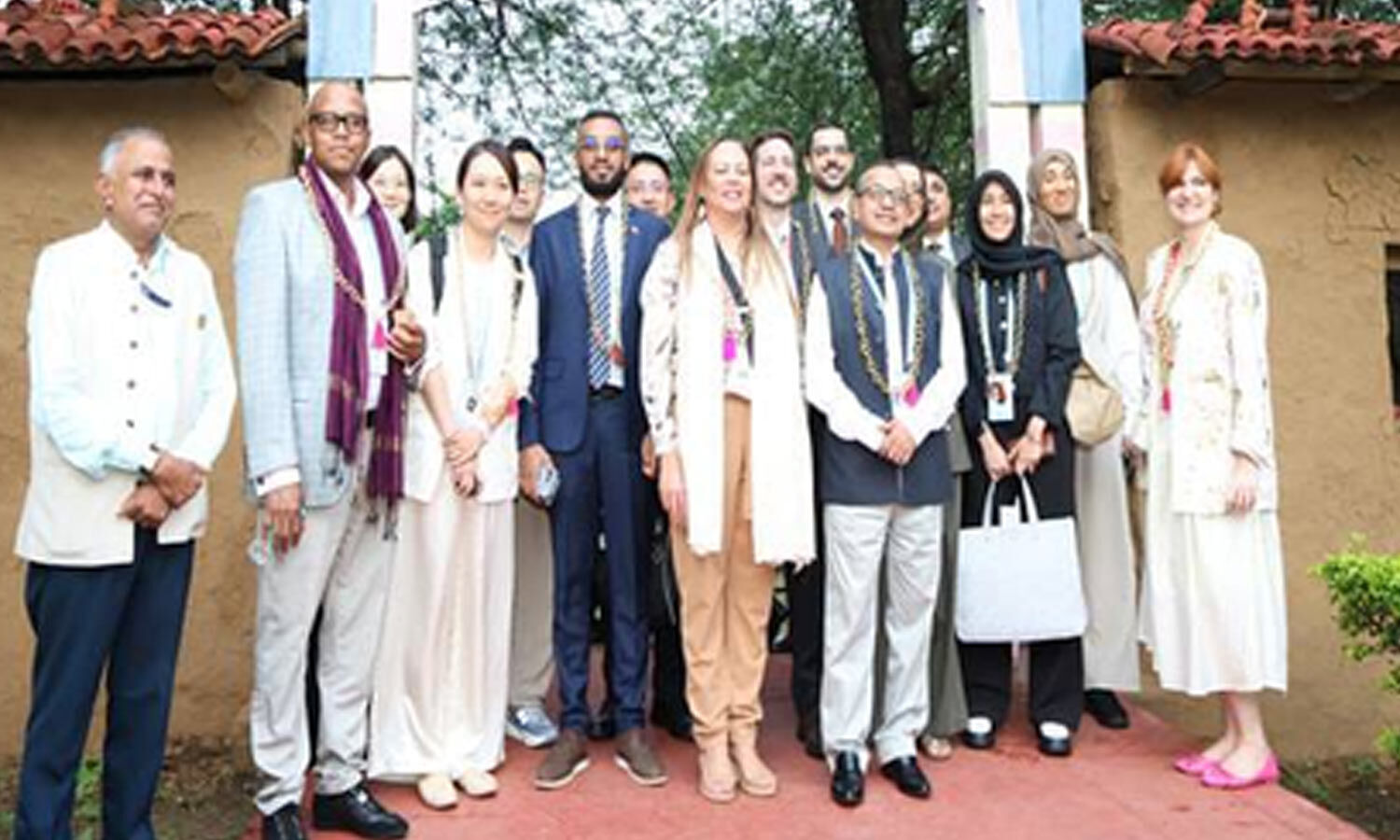
BRICS Culture Working Group Meeting Opens in Bhopal, India

BRICS Culture Ministers Adopt Bhopal Declaration at 11th Meeting

BRICS WAVES Bazaar 2026 concludes in Mumbai with co-production deals

Shared Values Unite BRICS Nations at Bhopal Cultural Festival
Revanth Reddy Invites Rajnath Singh to Telangana Summit and Expo
Abbas Khan Becomes First Indian Showjumper Bharat Youth Awardee
Hyderabad's Global Knowledge Hub Gains Support From World Universities
Sonali Kulkarni Explains Playing Salman Khan’s Mother
Revanth Reddy Plans World-Class Cricket Stadium In Future City