1 day ago
Ukraine Parliament Rejects Parcel Tax Linked to IMF Funding

Ukraine’s parliament voted on a new tax for some packages sent from other countries.
The bill would tax parcels worth less than €150, which are currently tax-free.
It needed 226 votes but received only 194.
Government officials said the law was connected to money Ukraine expects from the International Monetary Fund and the European Union.
They warned that Ukraine faces serious financial problems while the war continues.
Some lawmakers worried the tax would make everyday goods more expensive.
Others believed it could help Ukrainian businesses compete with imported products.
The IMF is reviewing Ukraine’s lending program this week.

Ukraine’s parliament failed to pass a foreign-parcel tax bill requiring 226 votes but receiving 194.
The proposed tax would apply to imported goods in parcels valued below €150, currently exempt from taxation.
Ukraine’s finance ministry previously estimated the measure could raise about 10 billion hryvnias annually.
Government officials warned that failing to adopt the law could put IMF and European Union funding at risk.
Some lawmakers opposed the tax over cost-of-living concerns, while others said it could support domestic producers.
- Who
- Ukraine’s parliament, Prime Minister Sergii Koretskyi, finance committee chair Danylo Hetmantsev, the International Monetary Fund and the European Union.
- What
- Parliament failed to pass a bill introducing taxes on foreign parcels valued below €150.
- Where
- Ukraine, with the parliamentary vote taking place in Kyiv.
- When
- Tuesday, September 1; an IMF monitoring mission was in Ukraine that week.
- Why
- The government said the law was needed to meet commitments linked to IMF and European Union funding and address mounting financial risks.
Lawmakers’ concerns
Government and reform arguments
Impact on household costs
Lawmakers’ concerns
Some parliamentarians argued that a new tax could further increase living costs for people already affected by the war.
Government and reform arguments
Government officials argued that Ukraine needed to fulfill commitments tied to international financial support despite the potential political sensitivity.
Effect on Ukrainian businesses
Lawmakers’ concerns
Opponents focused on the burden the tax could place on consumers buying imported goods.
Government and reform arguments
Supporters said taxing foreign parcels could reduce consumer imports and help domestic producers.
Financial consequences
Lawmakers’ concerns
The bill’s failure reflected lawmakers’ unwillingness to impose the tax at that time, and the exact funding impact was not immediately established.
Government and reform arguments
Danylo Hetmantsev warned that the failure could put about €4 billion in European Union and IMF funding at stake, while Koretskyi warned of significant financial risks.
Key facts
- Vote result
- 194 lawmakers supported the bill; 226 votes were required.
- Current exemption
- Foreign parcels containing goods worth less than €150 are currently not taxed.
- Estimated annual revenue
- The finance ministry previously estimated the tax could raise about 10 billion hryvnias, or approximately $227.53 million.
- Funding at risk
- Danylo Hetmantsev said the failed legislation could cost about €4 billion from the European Union and the International Monetary Fund, though the basis for that figure was not immediately clear.
- Defense shortfall
- Prime Minister Sergii Koretskyi said Ukraine faced a $27 billion deficit for defense needs.
- IMF review
- An IMF monitoring mission was in Ukraine to review its lending program.
- War-related pressure
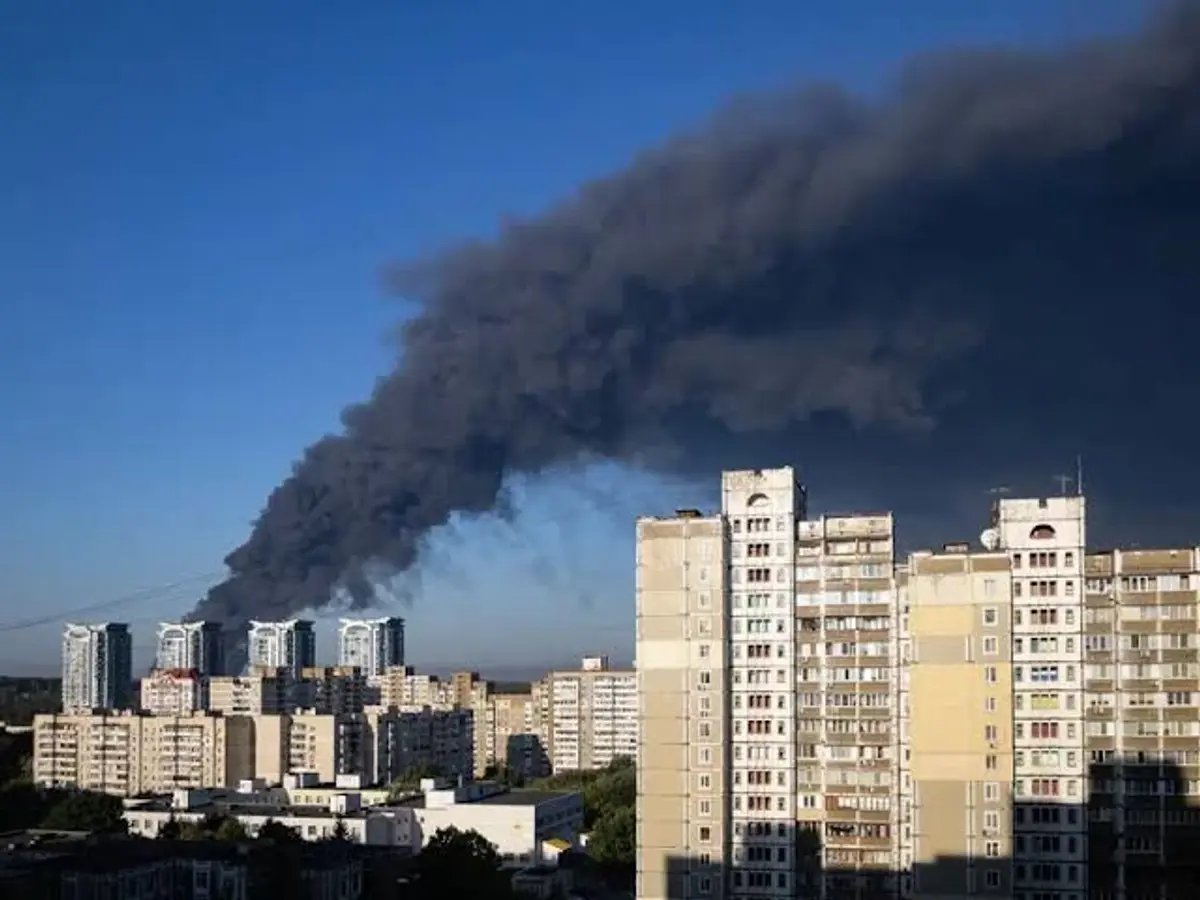
- The report said intensified Russian strikes and wartime damage were increasing pressure on Ukraine’s economy.
Quotes

Danylo Hetmantsev
Head of Ukraine’s parliamentary committee for finances, taxes and customs
“Not all decisions that we agreed with our partners have been made, and our obligations to them have not been fully met. Unless these issues are resolved, the country may face significant financial risks.”
 theprint.in
“We have $30 billion – this is the amount we can, and should receive from our partners this year, provided we fulfil the commitments we have made. The relevant decisions are in our hands …”
theprint.in
Sources
Related news
Ukraine’s Defence Chief Seeks Early EU Loan Amid War Gap
EU Pledges Continued Support for Ukraine at Ireland Meeting

EU pledges €1.4 billion from frozen Russian assets to Ukraine
Burnham Vows Continued Ukraine Aid Amid Russian Threats
Ukraine Faces Major Obstacles to Holding Elections During War
Ukraine Faces Obstacles to Holding Elections During Wartime
Russia Vows Civil Aviation Safety Amid Ukraine Drone Warning
Russian Strikes Cut Odesa Power as Kyiv Attacks Continue
Jaishankar to Visit Ukraine and Poland Amid Black Sea Tensions

Musk Reportedly Opposes Ukraine’s Starlink Drone Operations Inside Russia
India Seeks Diplomatic Role Amid Conflicts in Iran, Ukraine