

3 hrs ago
Pakistan and UN Chief Discuss Kashmir, Water Treaty, Regional Issues
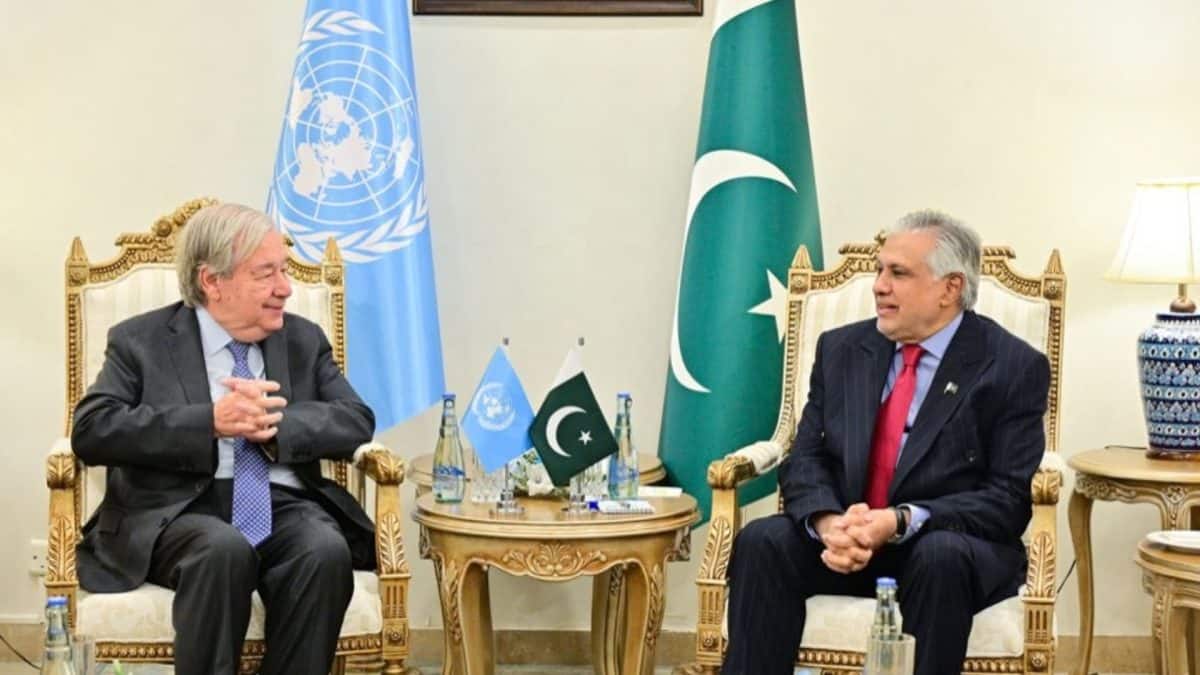
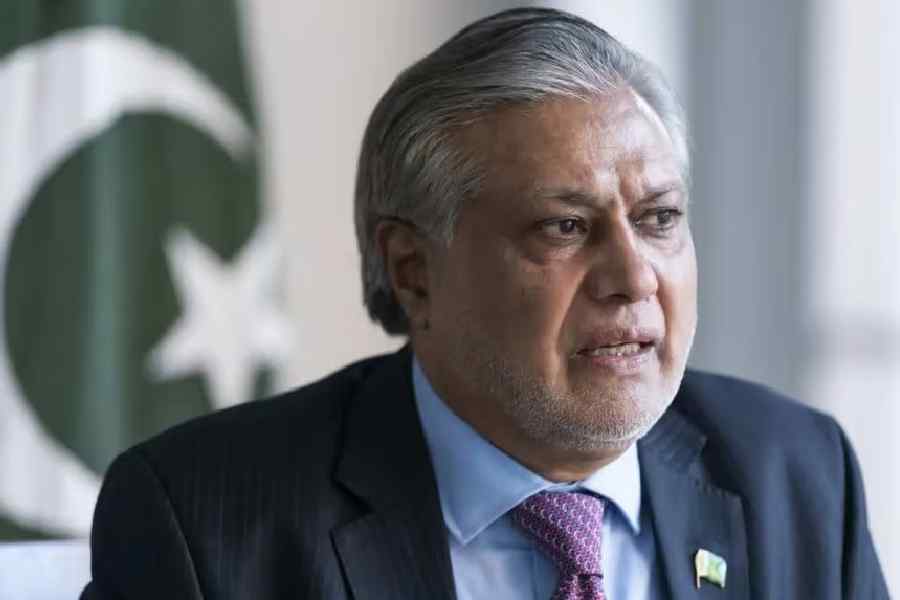
UN leader Antonio Guterres met Pakistan’s deputy prime minister, Ishaq Dar, in Islamabad.
They talked about conflicts and security issues in several parts of the world.
These included Palestine, Afghanistan, and Kashmir.
Dar also raised a disagreement involving the Indus Waters Treaty, which concerns sharing river water.
Pakistan called for resolving the Kashmir dispute peacefully.
Dar described Pakistan’s efforts to help countries talk to each other.
Guterres praised Pakistan’s work with the United Nations and its diplomatic efforts.
During his visit, Guterres is also expected to meet other Pakistani leaders and visit UN and disaster-management offices.

Pakistan Deputy Prime Minister and Foreign Minister Ishaq Dar met UN Secretary-General Antonio Guterres in Islamabad on Tuesday.
Their discussions covered Palestine, Jammu and Kashmir, Afghanistan, counter-terrorism, peace and security, and multilateralism.
Dar presented Pakistan’s positions on Kashmir and the Indus Waters Treaty and called for a peaceful resolution of the Kashmir dispute under relevant UN Security Council resolutions.
Dar cited Pakistan’s diplomatic efforts, including facilitating talks between the United States and Iran; Guterres praised Pakistan’s contributions to the UN and its mediation efforts.
Guterres is also scheduled to meet Pakistani leaders, visit the UN observer group headquarters, and receive a briefing at the National Disaster Management Authority.
- Who
- Pakistan Deputy Prime Minister and Foreign Minister Ishaq Dar and UN Secretary-General Antonio Guterres.
- What
- They discussed regional and global issues, including Kashmir, the Indus Waters Treaty, peace and security, and diplomacy.
- Where
- Islamabad, Pakistan.
- When
- Tuesday, during Guterres’ three-day official visit to Pakistan. The articles describe his term as ending in December 2026; one specifies December 31.
- Why
- The meeting was part of Guterres’ official visit and an opportunity to exchange views on regional and international developments.
Pakistan’s position
India’s position
Kashmir
Pakistan’s position
Dar called for a just and peaceful resolution of the Kashmir dispute in accordance with relevant UN Security Council resolutions.
India’s position
India says Jammu and Kashmir and Ladakh are, and will always remain, integral and inalienable parts of India.
Indus Waters Treaty
Pakistan’s position
Dar briefed Guterres on Pakistan’s position on the treaty.
India’s position
The article reports that India put the treaty in abeyance after the Pahalgam terror attack; it does not provide a direct Indian statement about the treaty in this meeting.
Key facts
- Visit
- Guterres arrived in Pakistan for a three-day official visit at Dar’s invitation.
- Meeting location
- Islamabad
- Issues discussed
- Palestine, Jammu and Kashmir, Afghanistan, counter-terrorism, peace and security, and the future of multilateralism.
- Pakistan’s stated position
- Dar called for a just and peaceful resolution of the Kashmir dispute in accordance with relevant UN Security Council resolutions.
- Indus Waters Treaty
- Dar briefed Guterres on Pakistan’s position on the treaty; the first article says India put it in abeyance after the Pahalgam terror attack.
- Further engagements
- Guterres is scheduled to meet President Asif Ali Zardari, Prime Minister Shehbaz Sharif and Field Marshal Asim Munir.
- Scheduled visits
- Guterres is scheduled to visit the UN Military Observer Group in India and Pakistan headquarters and the National Disaster Management Authority.
Quotes
Pakistan Foreign Office
Pakistan's government department responsible for foreign affairs.
“Pakistan's positions on Jammu & Kashmir and the Indus Waters Treaty, reaffirming Pakistan’s call for a just and peaceful resolution of the Kashmir dispute in accordance with relevant UNSC resolutions”
 thehansindia.com
“Discussions covered regional and global issues relating to peace and security, including Palestine, Jammu & Kashmir, Afghanistan, counter-terrorism, and the future of multilateralism.”
thehansindia.com
Sources
Related news

Guterres Arrives in Pakistan for Meetings with Top Leadership
Jaishankar, Guterres Discuss Conflicts and Global South Challenges
Erdogan Again Raises Kashmir at UN, Calls for Dialogue
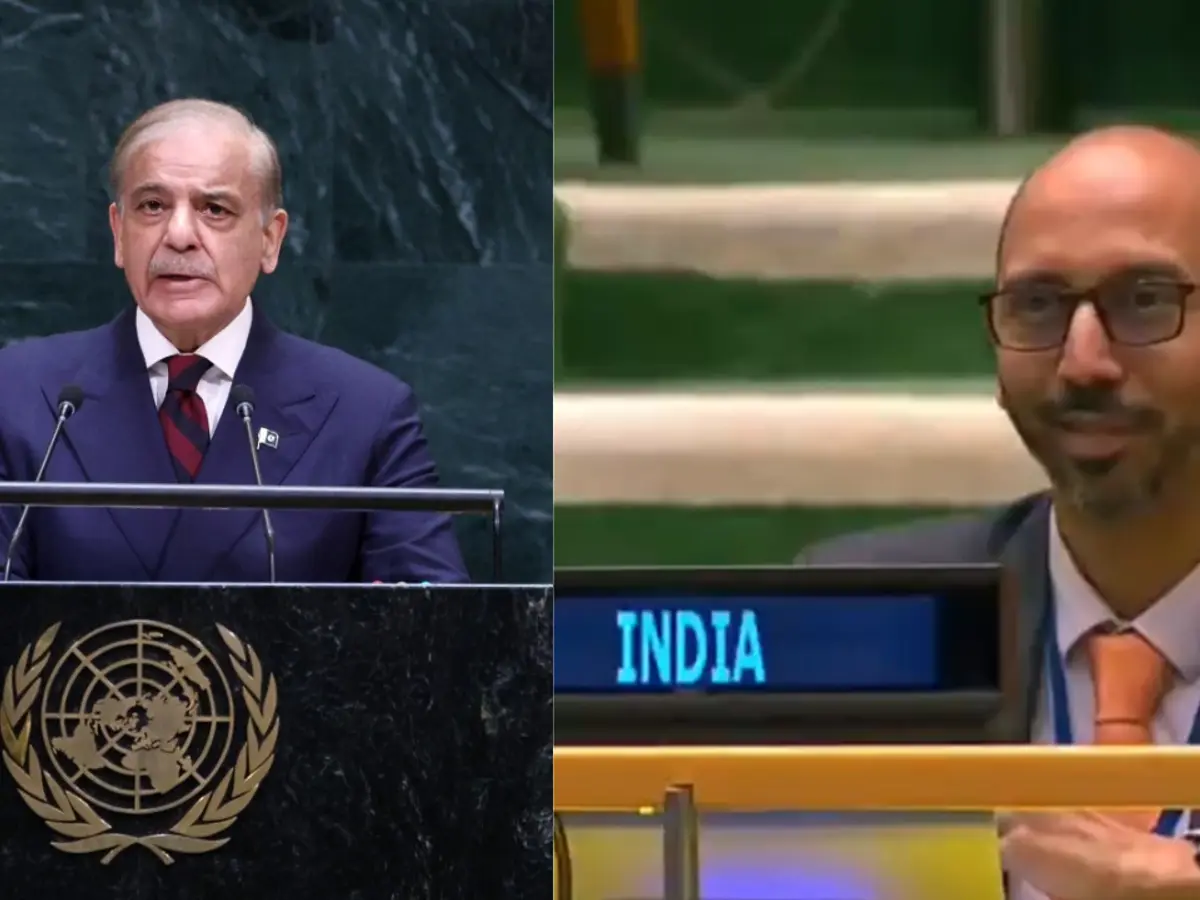
Sharif Raises Kashmir, Credits Trump During UN Conflict Speech

Pakistan Plans to Raise Indus Waters Treaty at UNGA
How Pakistan Has Raised Kashmir At The UNGA
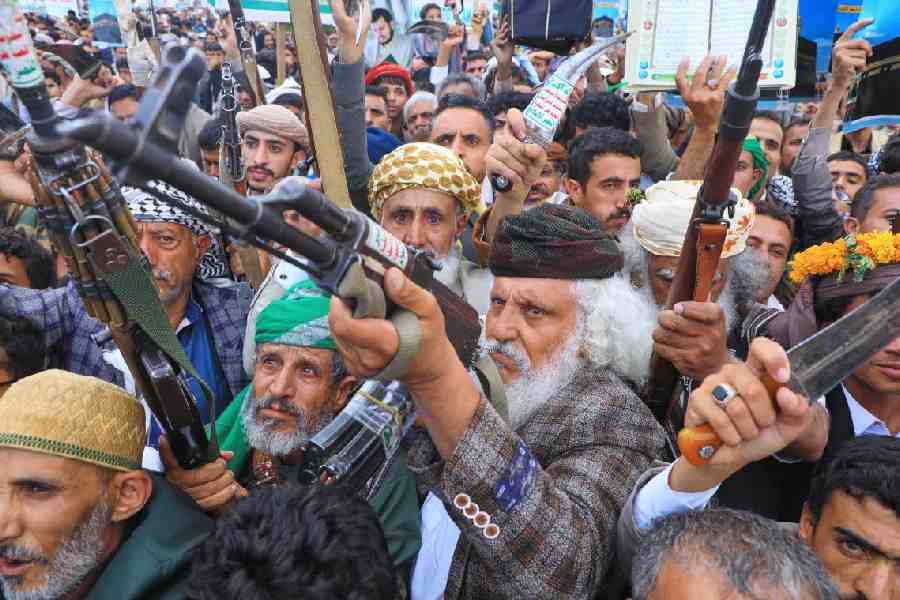
Saudi Arabia, Pakistan and Türkiye Activate Makkah Defence Pact
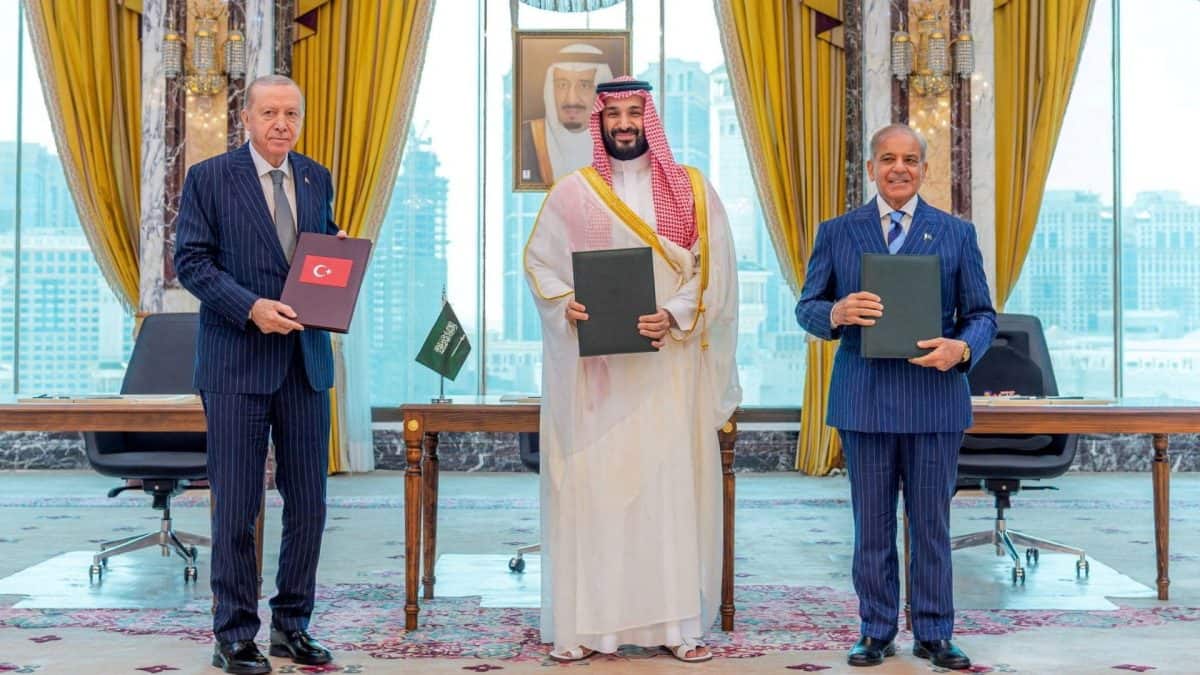
Pakistan Confirms Riyadh Defence Pact Meeting Amid Houthi Escalation
Makkah Pact Committee to Meet Over Houthi Attacks
